Oct 13, 2026Services Overview
Gua Sha Manufacturer for Beauty Brands & Wholesale Buyers
Direct gua sha manufacturer in Dongguan since 2018. Real factory lines, 300+ styles, five material families. Custom laser logo from 200 pcs, custom shapes by material from 100 pcs.
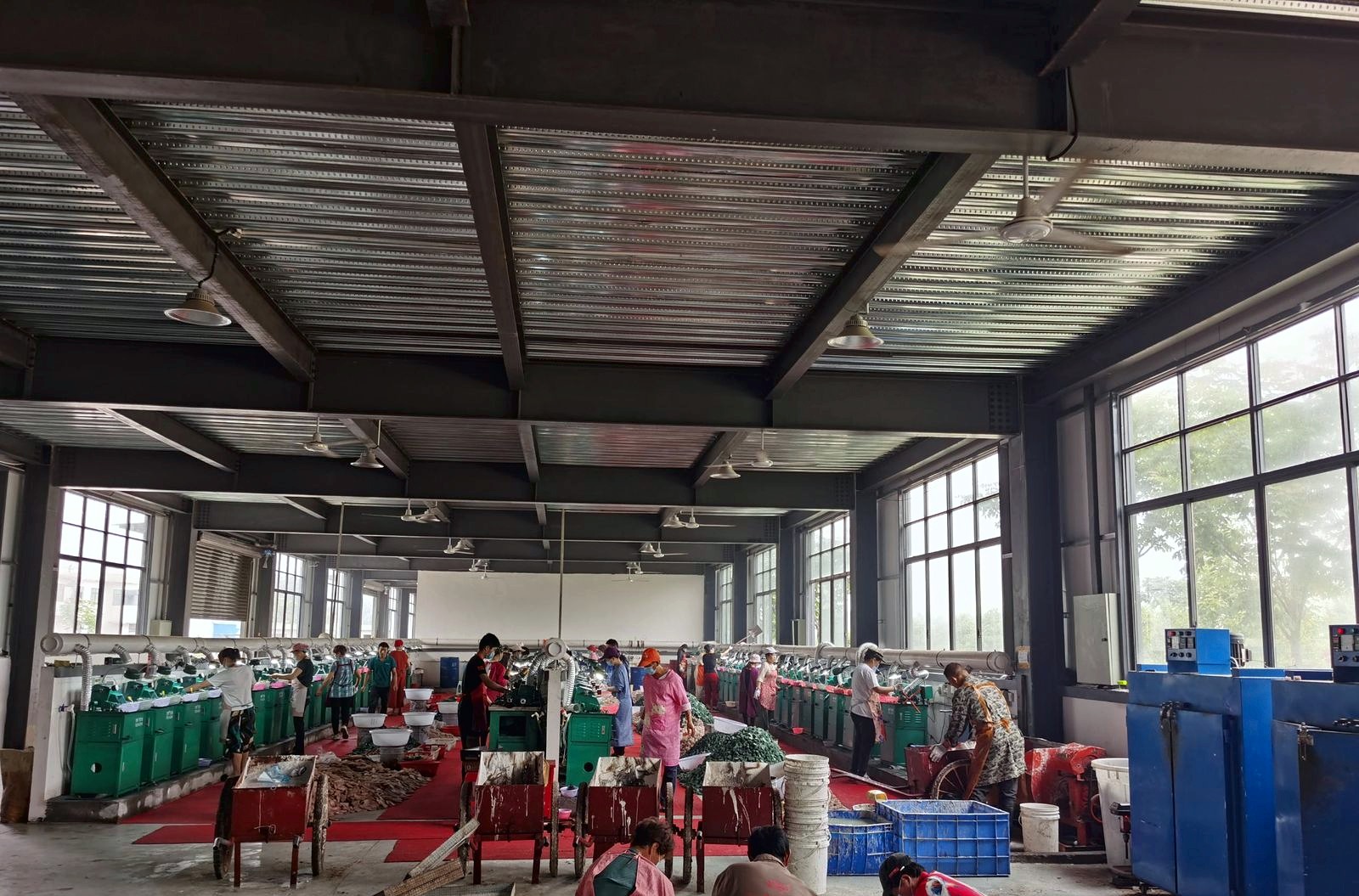
Alison Gua Sha Factory is a gua sha manufacturer founded in 2018 in Dongguan, Guangdong, China. We produce more than 300 styles of facial and body gua sha tools across five material families.
We supply skincare brands, spas, wellness retailers, distributors and clinics in the United States, Europe, the United Kingdom and Australia. Buyers work with the factory directly, so the team that quotes your project also controls shaping, polishing, engraving, inspection and packing.
1. Who We Are
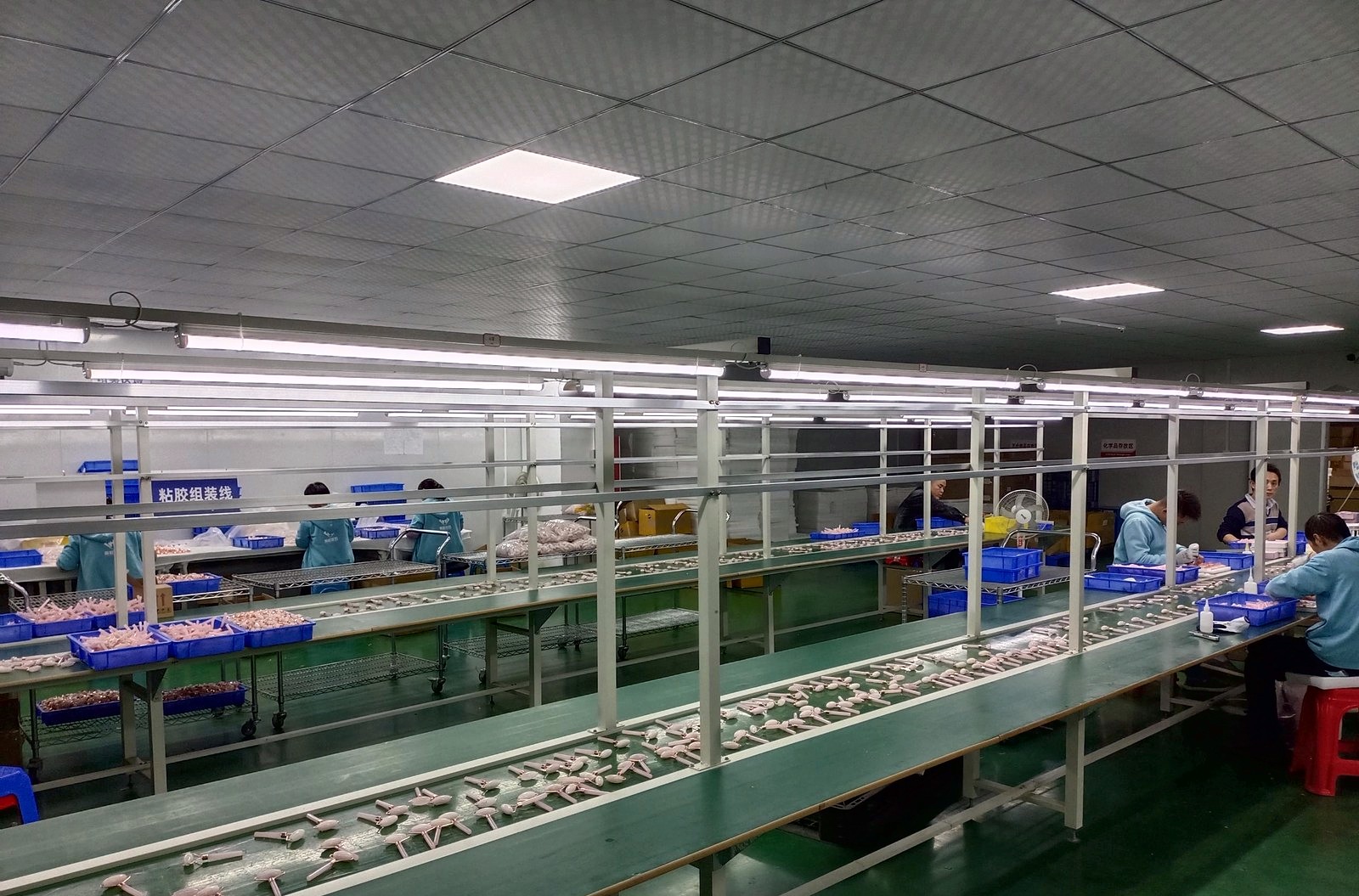
Our factory in Changan Town, Dongguan manufactures natural massage and beauty tools: facial gua sha boards, body gua sha, jade rollers, cryo globes and ice rollers, IASTM fascia instruments, scalp and massage combs, lymphatic brushes, crystal eye masks and hot stones.
Dongguan sits in one of China's densest beauty-tool manufacturing clusters, which means material supply, tooling, polishing and packaging are all within a short drive of our production floor. We are a manufacturer, not a trading company: there is no intermediary margin between you and production.
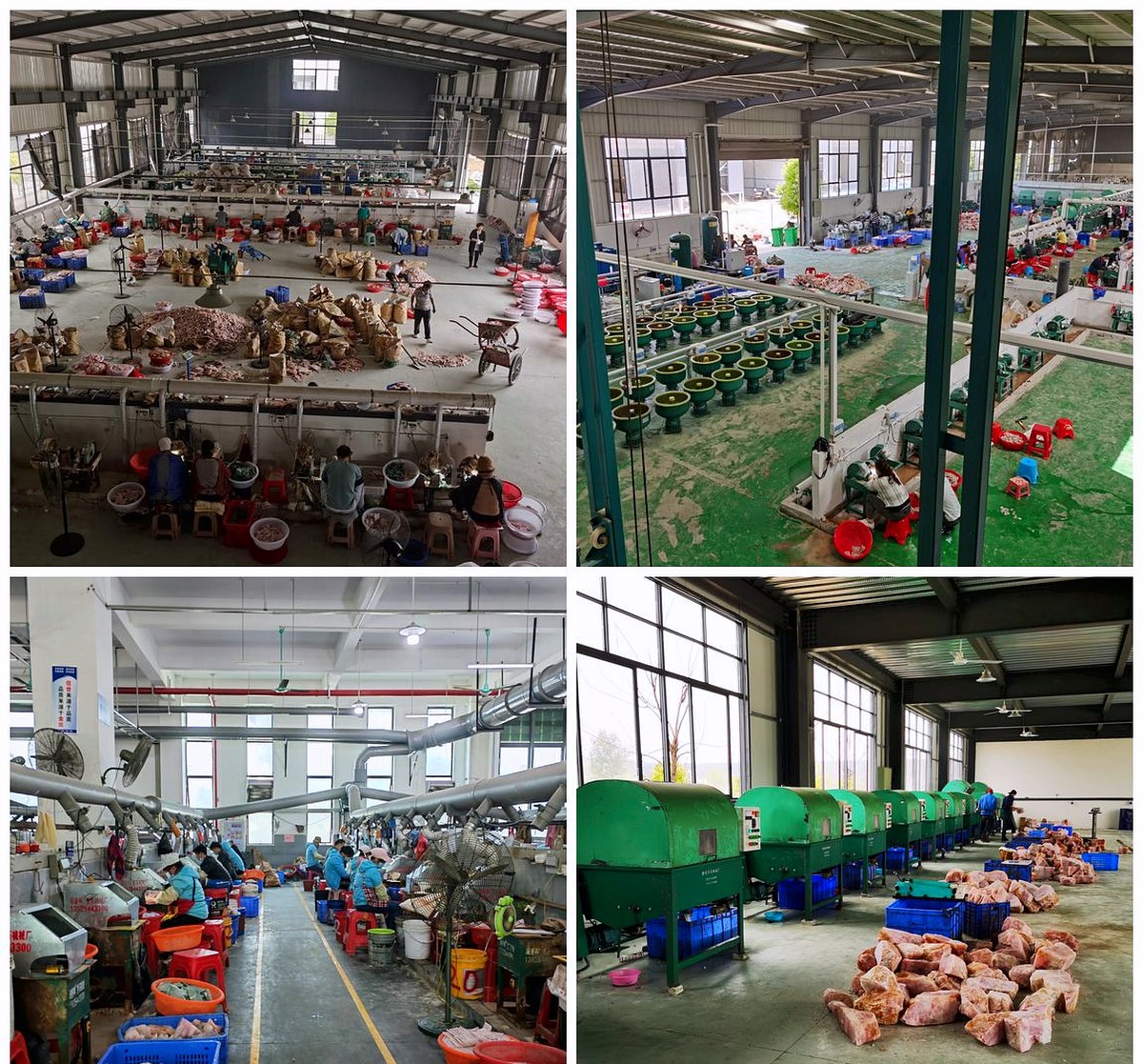
Direct factory relationships matter most in the two moments that decide a project: quoting, when hidden margins get baked into your landed cost, and problem-solving, when a sample needs a change and only production can make it correctly.
2. Five Material Families Under One Roof
Most gua sha suppliers master one material. We manufacture across five, so your assortment can cover several price points and customer stories from a single supplier, on one purchase order, with one set of quality standards.
Stainless Steel
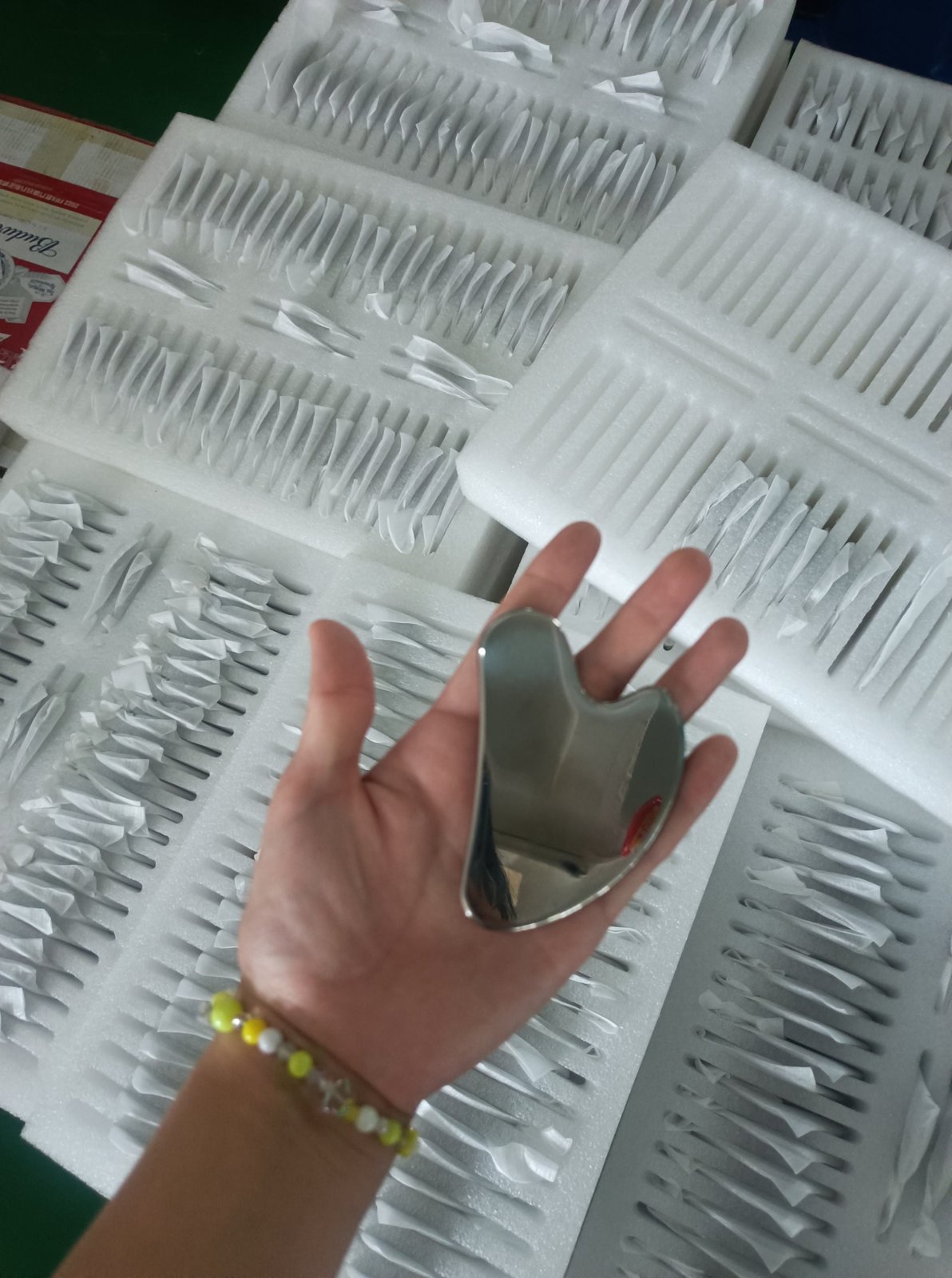
Manufactured in 304 food grade stainless steel, with 316 and 420 options for higher corrosion resistance and clinical durability. Non-porous, virtually unbreakable, naturally cooling, and easy to sanitize with alcohol, UV or autoclave.
This is the material we recommend for clinics, physiotherapy rooms and hygiene-first retail lines, and the material our cryo globes, IASTM fascia knives and body tools are made from. Stainless steel is also the most economical family for custom shape development, because profiles are cut and machined rather than molded.
Bian Stone
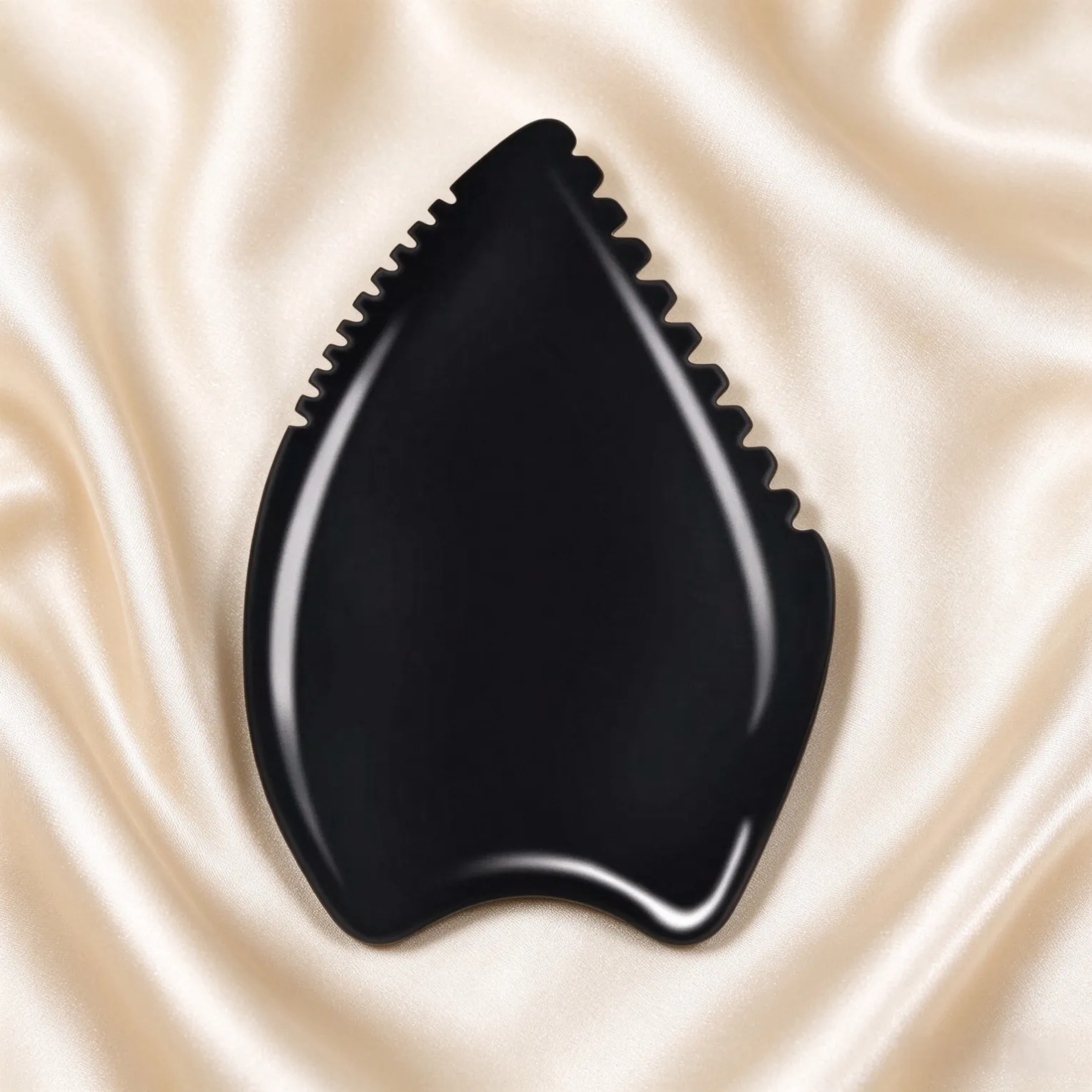
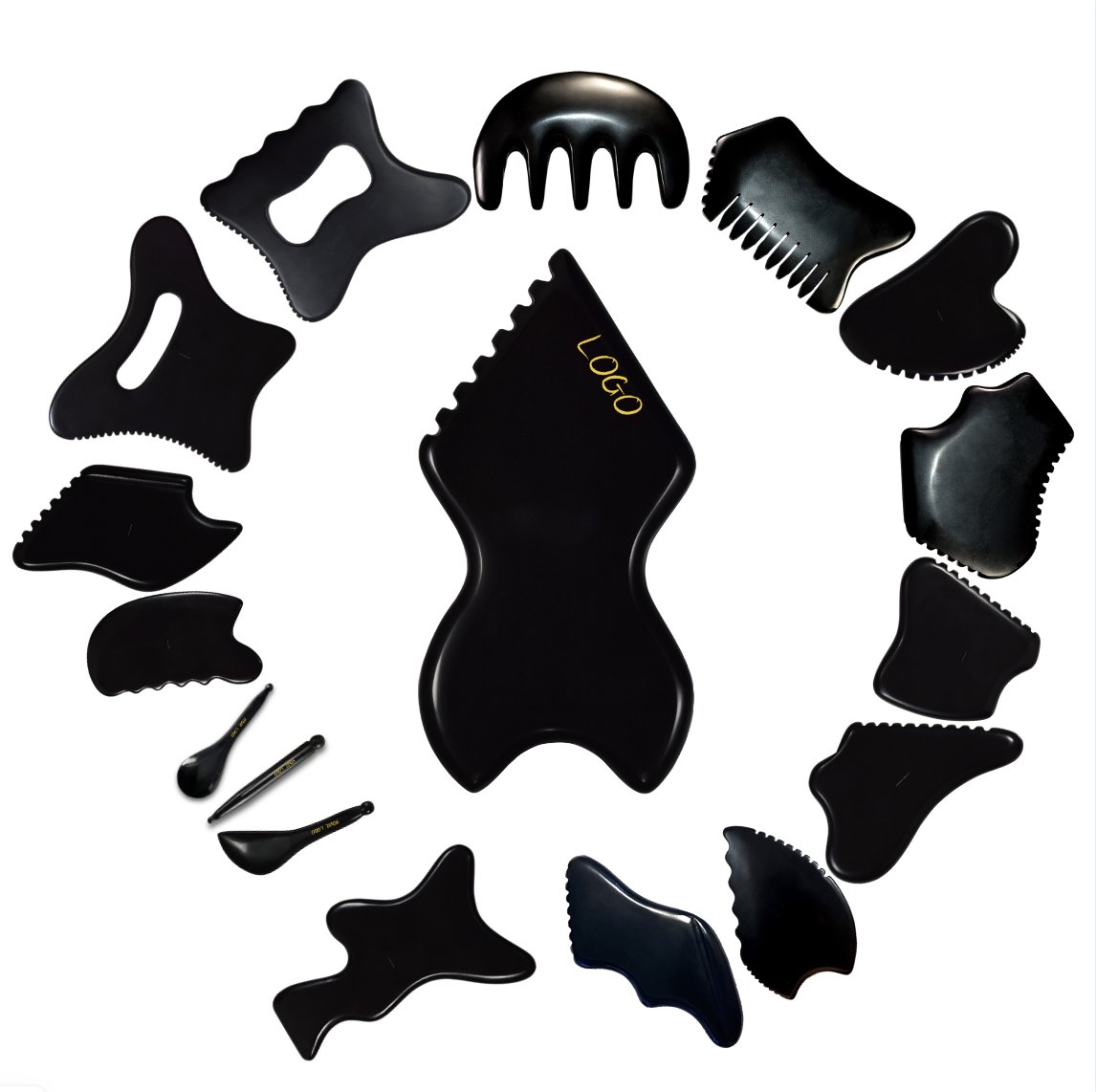
A hand-polished dark stone prized in traditional Chinese therapy for its heat retention. Still finished largely by hand, so no two pieces are identical. Bian stone suits professional body work, hot-stone treatments and brands whose story leans on heritage and craft rather than industrial precision.
Natural Stone: Jade, Rose Quartz and More
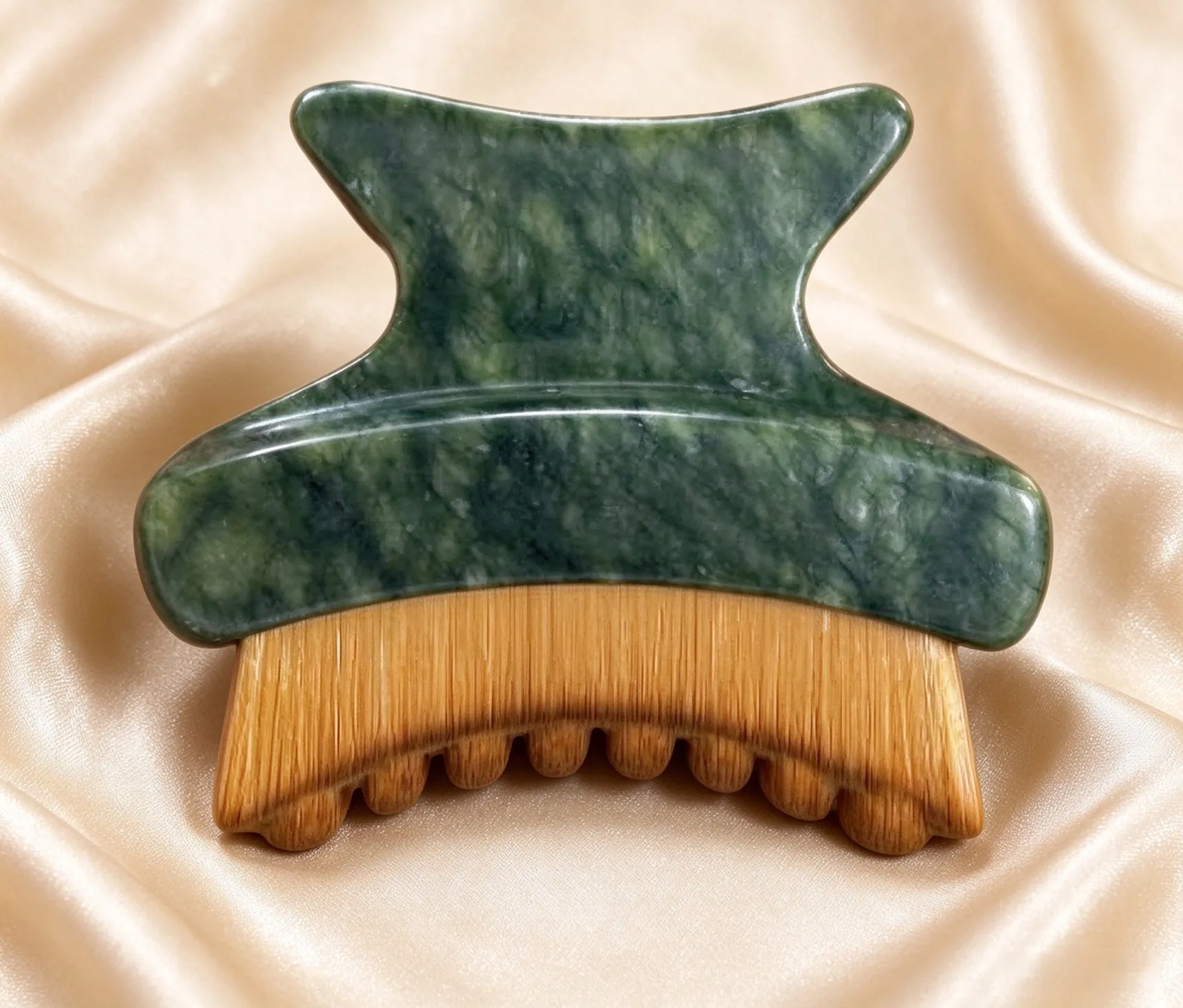
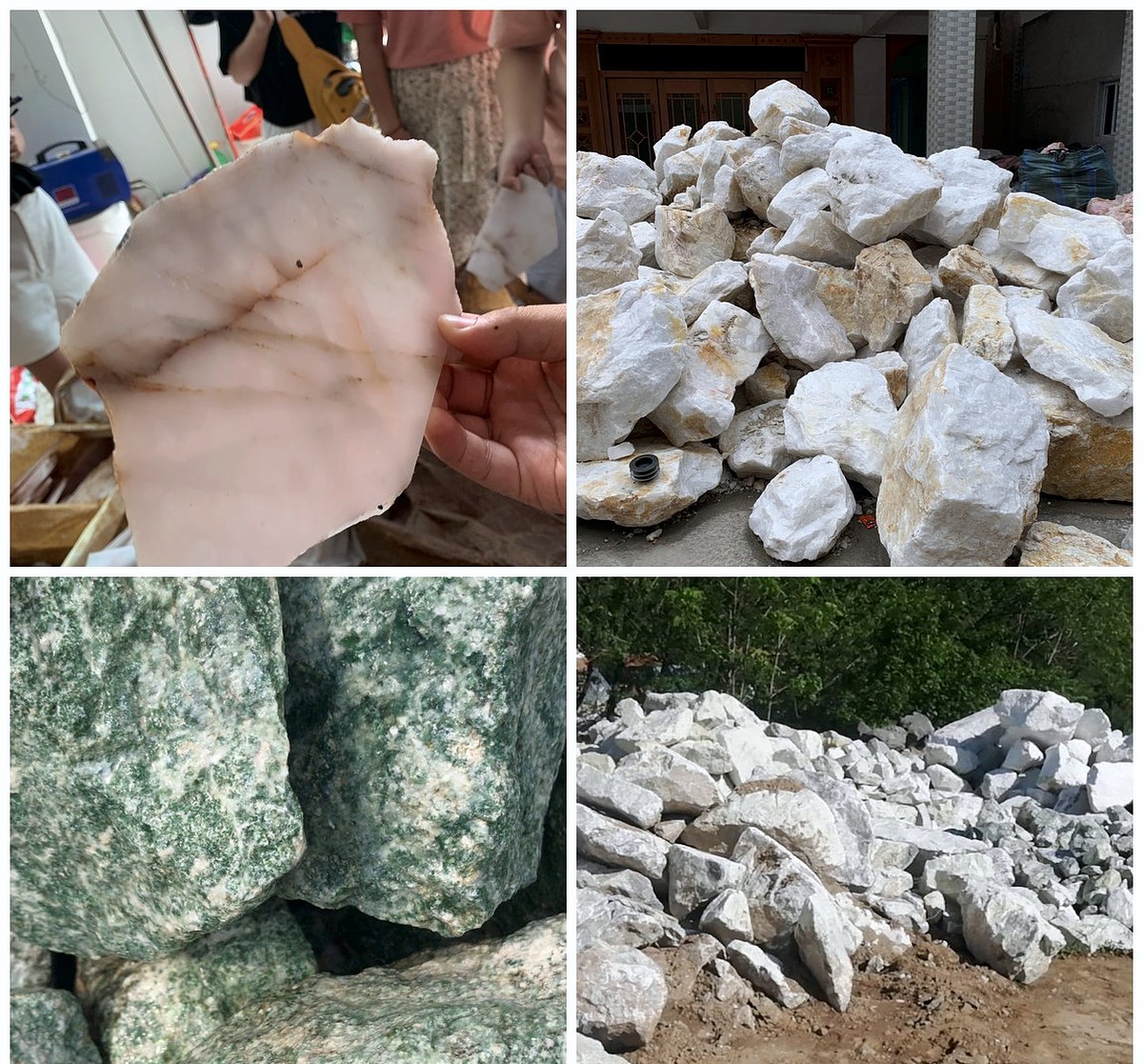
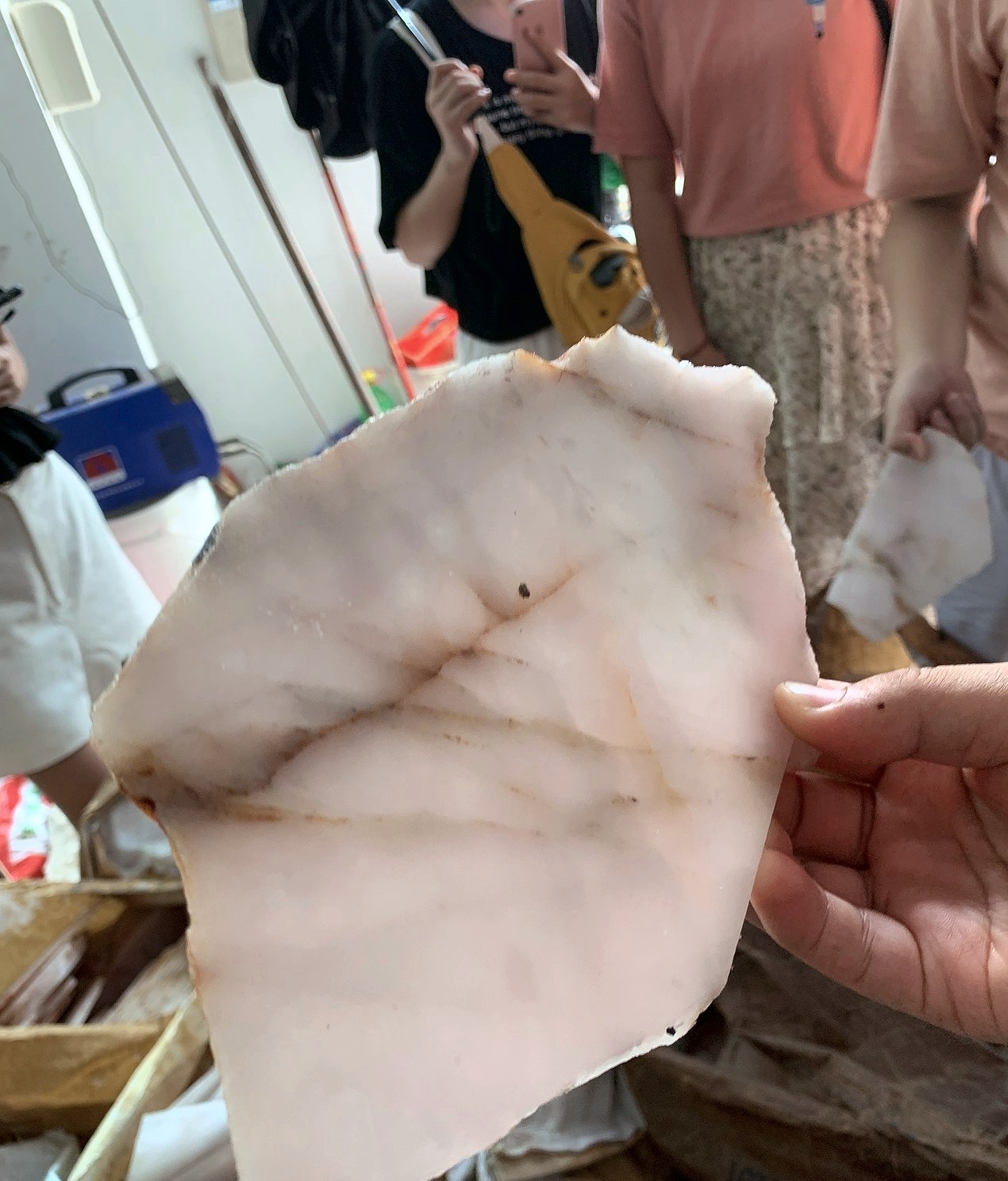
White jade, green jade, rose quartz, obsidian, red jade and blue spot jasper, cut and hand-finished. Natural stone carries the strongest emotional story for wellness retail and the traditional cool-to-the-touch feel customers expect from a gua sha tool.
Our rose quartz is sourced from South Africa. Natural stone tools are cut, ground and hand-polished rather than molded, so each piece varies slightly in colour, grain and weight.
Ceramic and Terahertz
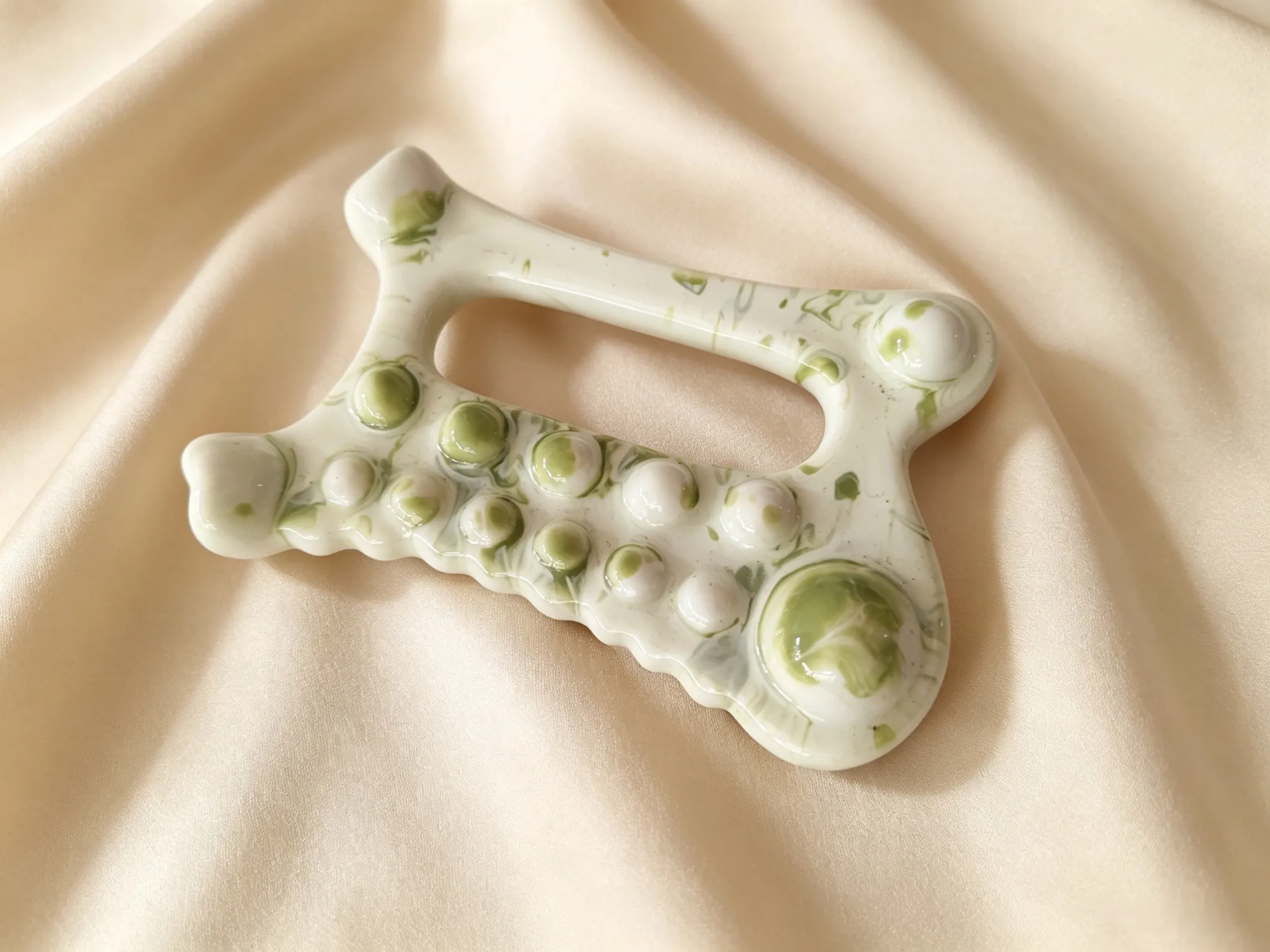
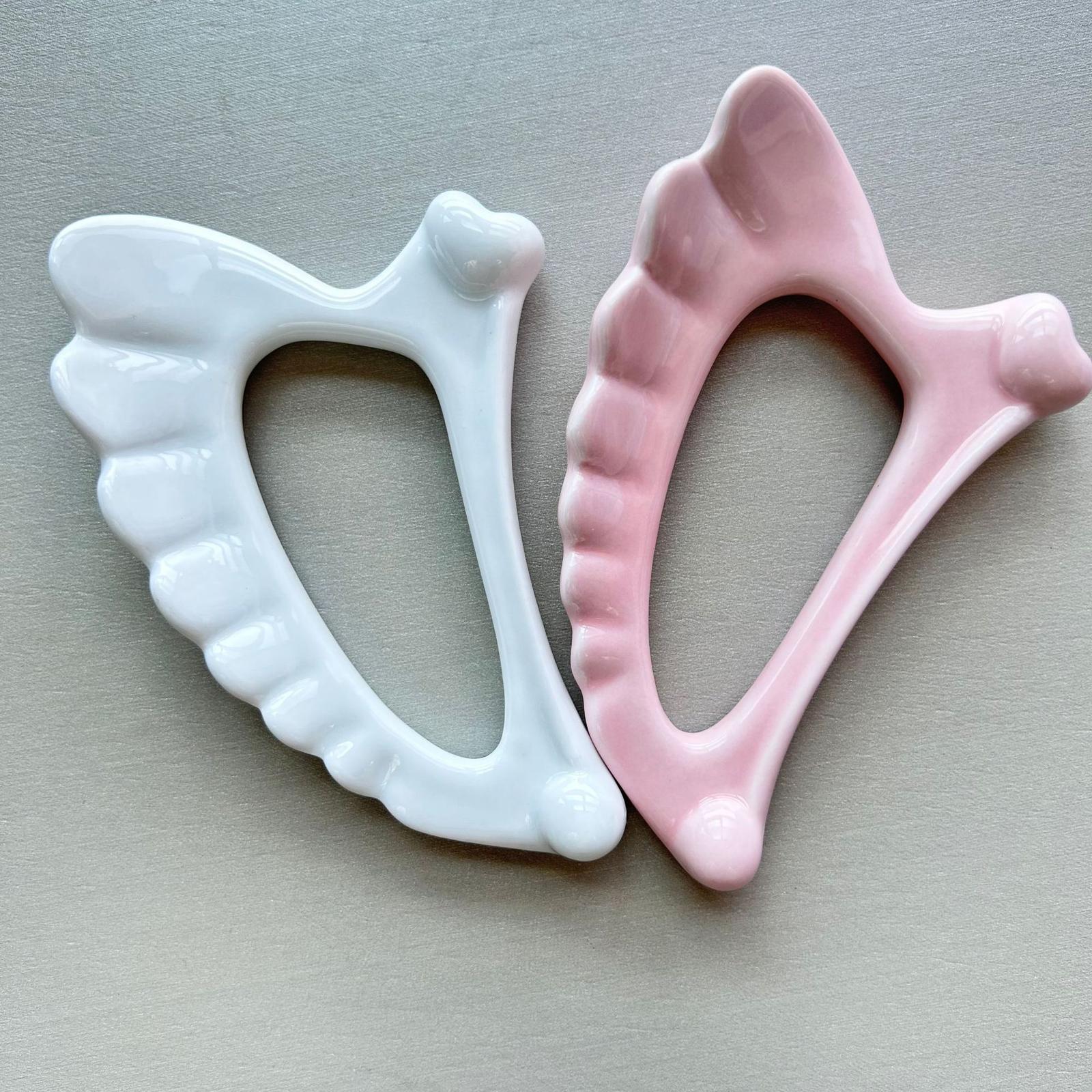
Ceramic is pressed and glazed in matte finishes and custom colors, giving a consistent, cool, smooth glide without the stone-to-stone variation, and it photographs beautifully for e-commerce. Terahertz is a dense engineered stone with a distinctive luster and a naturally cool surface, sitting at the top of the price ladder.
3. Stainless Steel, Stone or Ceramic? A Buyer's Comparison
The material question is really a positioning question. Each family wins on different criteria, and the right answer depends on who opens the box and what claim your brand needs to make.
Stainless Steel
Advantages: non-porous and hygienic, will not chip or shatter, easy to sterilize, naturally cooling, recyclable, and effectively a lifetime tool. Disadvantages: heavier than most stone tools and cold to the touch at first. Best for: clinics, sports recovery, spa treatment rooms, hygiene-led retail, cryo and body massage tools.
Natural Stone
Advantages: strong visual and emotional appeal, traditional cooling sensation, lightweight in the hand, and a wellness story customers already understand. Disadvantages: porous surface needs more careful cleaning, can chip if dropped, and every piece varies slightly. Best for: wellness retail, spa retail shelves, gift sets and brand-led collections.
Ceramic and Terahertz
Advantages: uniform surface and colour, modern aesthetic, comfortable glide, consistent quality from piece to piece. Disadvantages: ceramic can break under impact, and terahertz costs more than stone. Best for: design-led beauty brands, clean-beauty positioning, premium gift and travel formats.
Our rule of thumb: order steel for clinical credibility, stone for wellness storytelling, and ceramic or terahertz for design-led premium lines. Most successful brands carry at least two of the three.
4. What We Manufacture
The catalog covers facial gua sha boards in every mainstream silhouette, body gua sha and large scraping tools, stainless steel IASTM and fascia knives, cryo globes and ice rollers, jade and crystal facial rollers, lymphatic drainage brushes, scalp and massage combs, crystal eye masks and face masks, hot stones, mushroom stones and cupping tools.
Because we produce all of these in-house, combination sets are straightforward: a facial gua sha plus a lymphatic brush, a stainless steel body tool plus a cryo globe, or a complete routine kit under one SKU and one retail box.
5. How We Manufacture: Raw Material to Packed Carton
Production follows a fixed sequence. The same sequence applies to a trial order of 100 pieces and a repeat order of 10,000, which is why your reorders look like your sample.
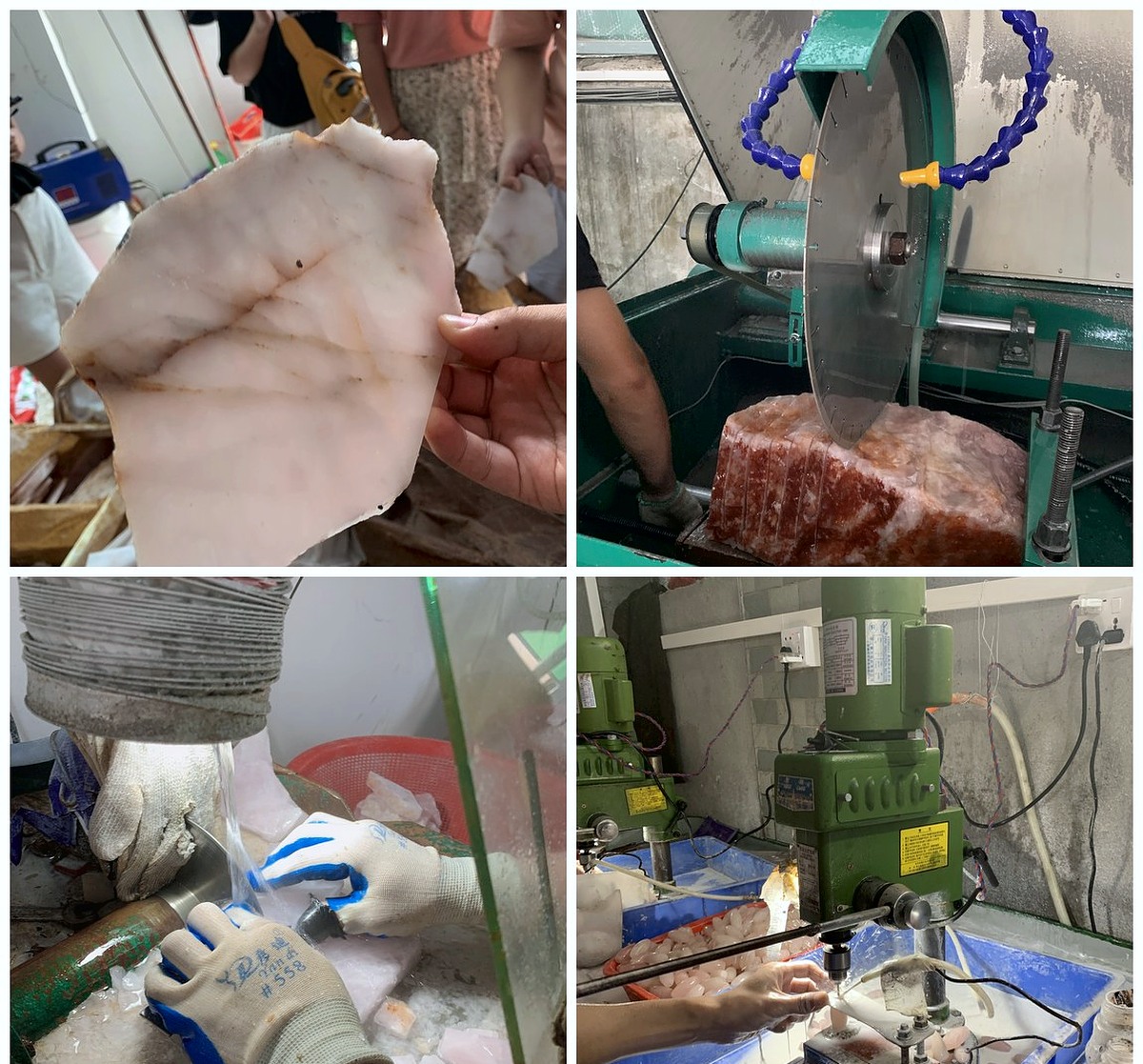
Step 1 - Material Selection
Stainless steel is ordered in 304 food grade as standard, with 316 and 420 for specific applications. Stone is graded for colour consistency and soundness before cutting. Ceramic bodies and terahertz billets are checked for density and surface faults.
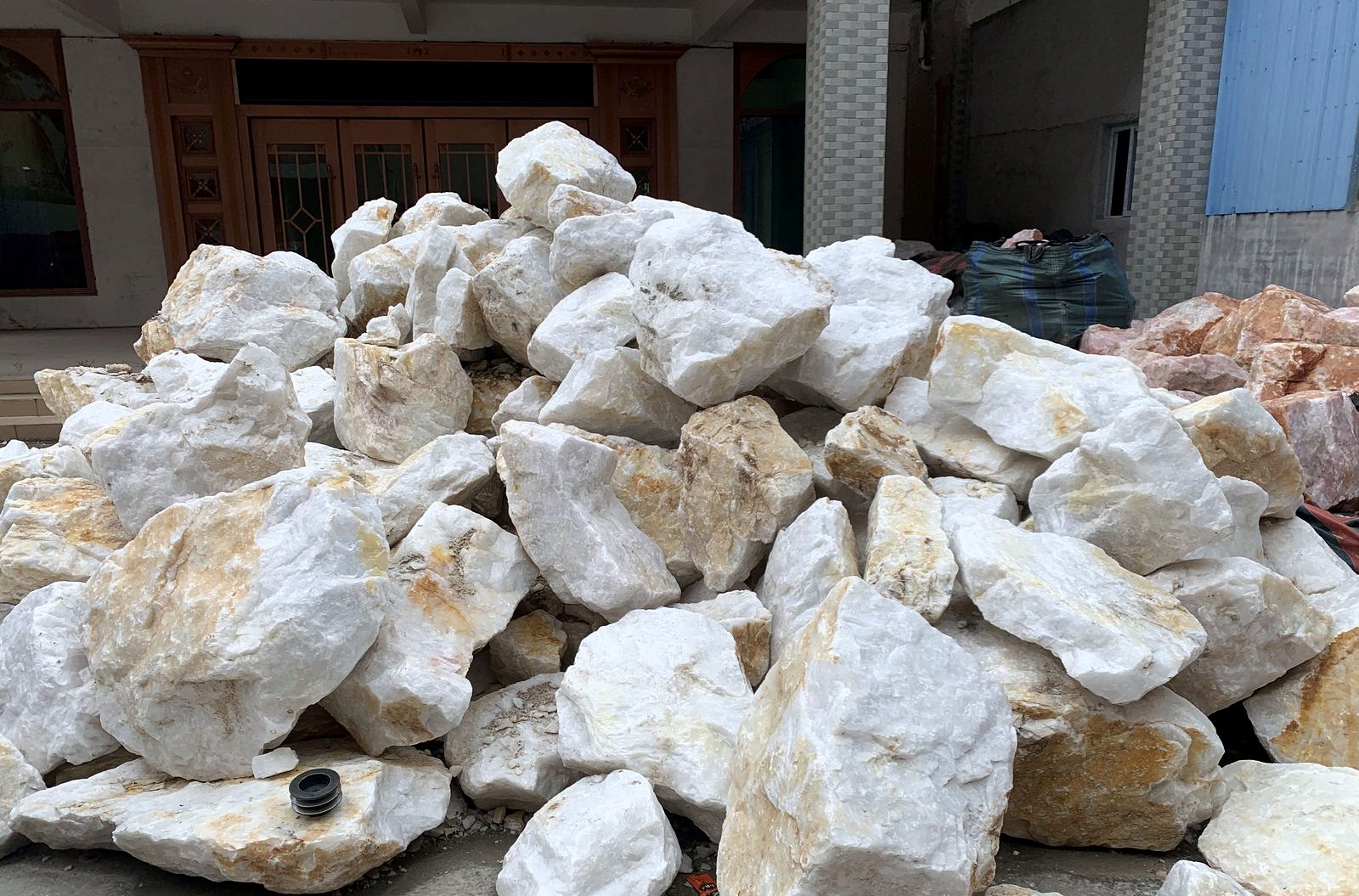
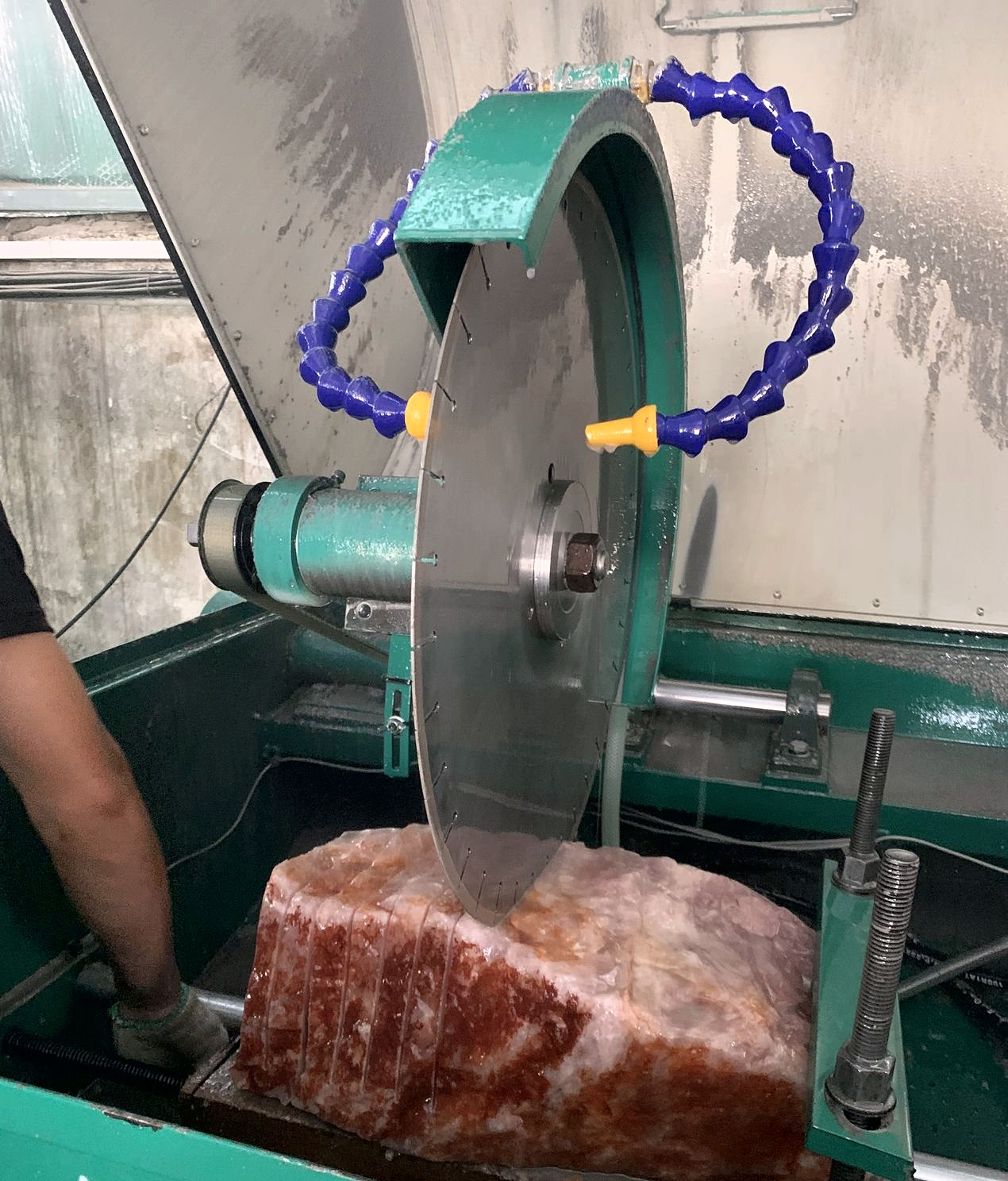
Step 2 - Cutting and Shaping
Steel profiles are laser cut and then CNC machined to final dimension; stone is slabbed and shaped on wheels; ceramic is pressed in molds; terahertz is cut and ground. Tolerances at this stage decide whether the finished tool sits flat against skin or rocks on its edge.
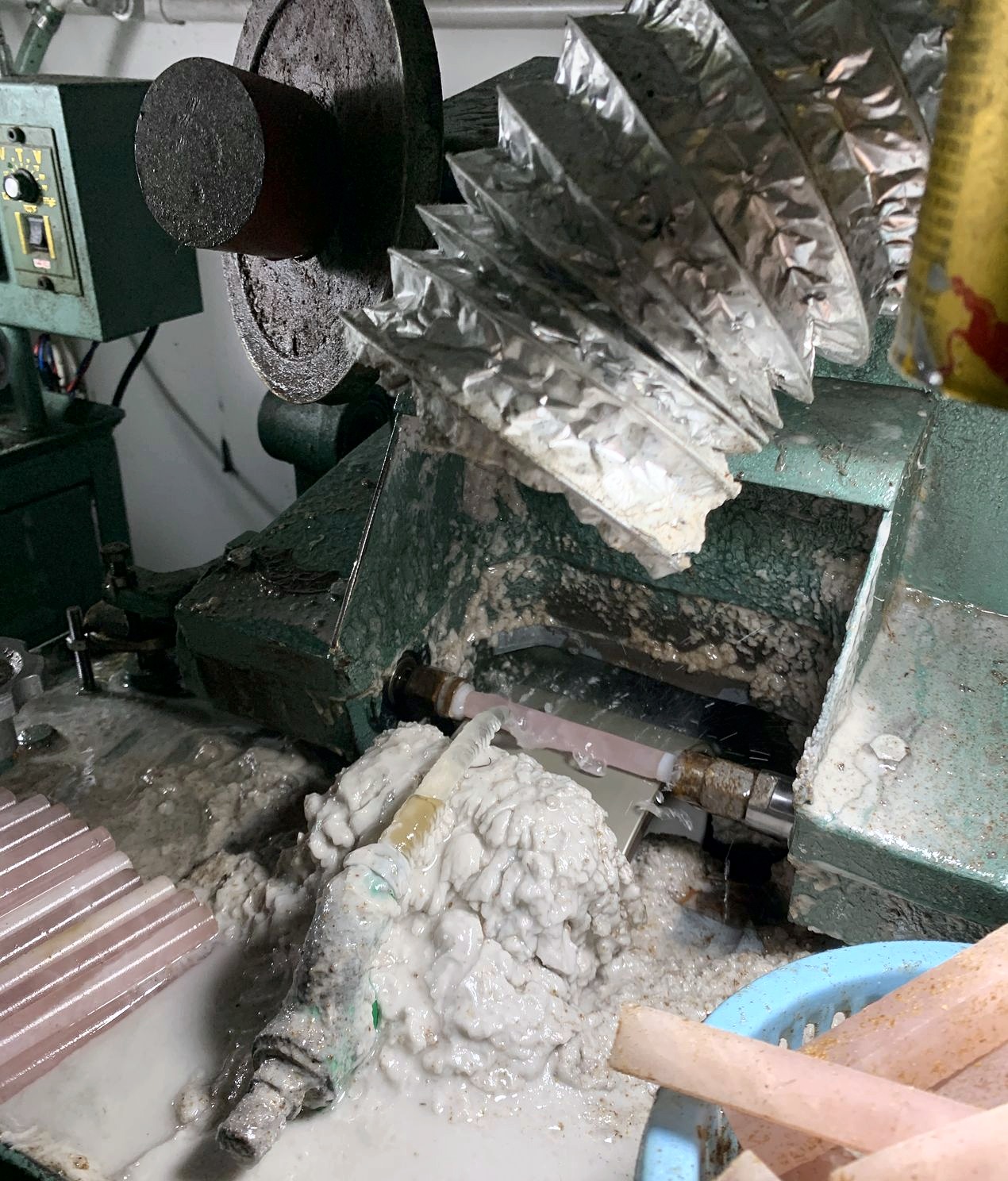
Step 3 - Edge Finishing
Every working edge is rounded and polished. A gua sha tool is a skin-contact instrument, so edge geometry matters more than any other single variable: a sharp edge scratches, and an over-rounded edge loses scraping efficiency.
Step 4 - Polishing
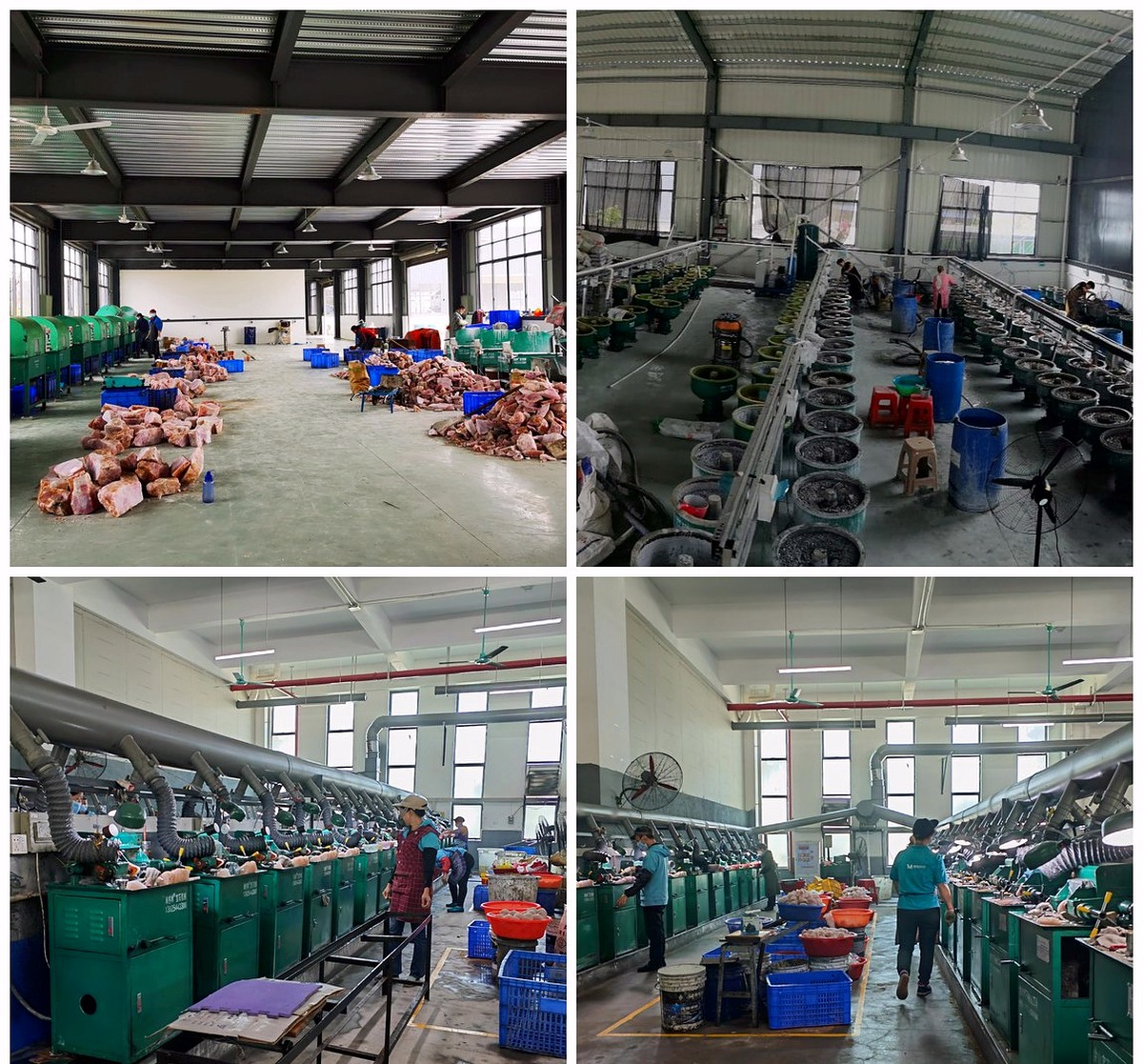
Polishing is the most time-consuming stage in the process. Our polishing cycle runs a minimum of four days per batch, using barrel polishing for the overall surface followed by hand work on the edges and any fine features.
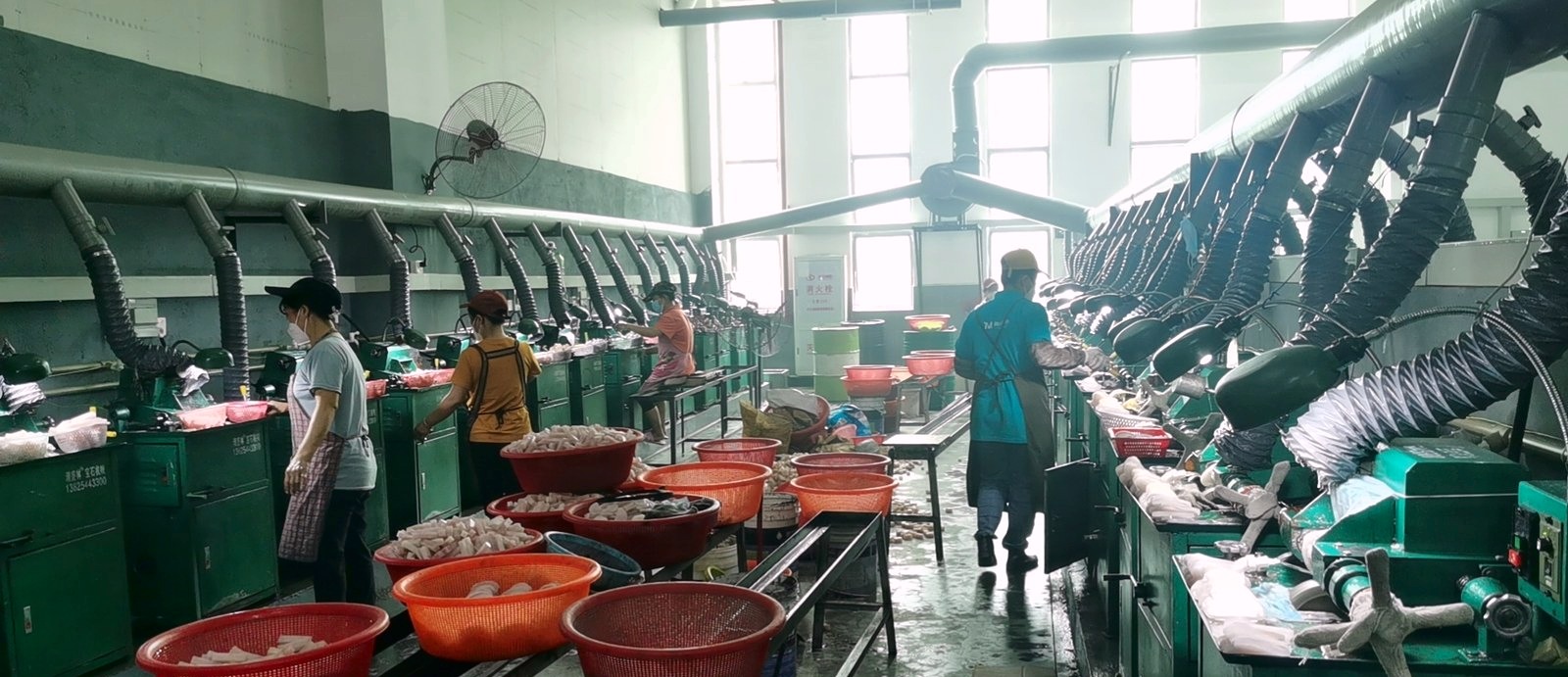
Barrel polishing removes larger surface irregularities across a whole batch. Very fine hairline features cannot all be removed this way: doing so would require individual hand polishing of every piece, which is both extremely slow and expensive at production volume. This is why natural stone carries minor surface characteristics, and why we publish a grade standard instead of promising impossible perfection.
Step 5 - Logo Application
Two processes dominate. Laser engraving etches the surface and is permanent, available from 200 pieces per model on stock shapes. Silk screen printing applies a printed mark and starts at 1,000 pieces. Most buyers choose laser engraving for adhesion and durability.
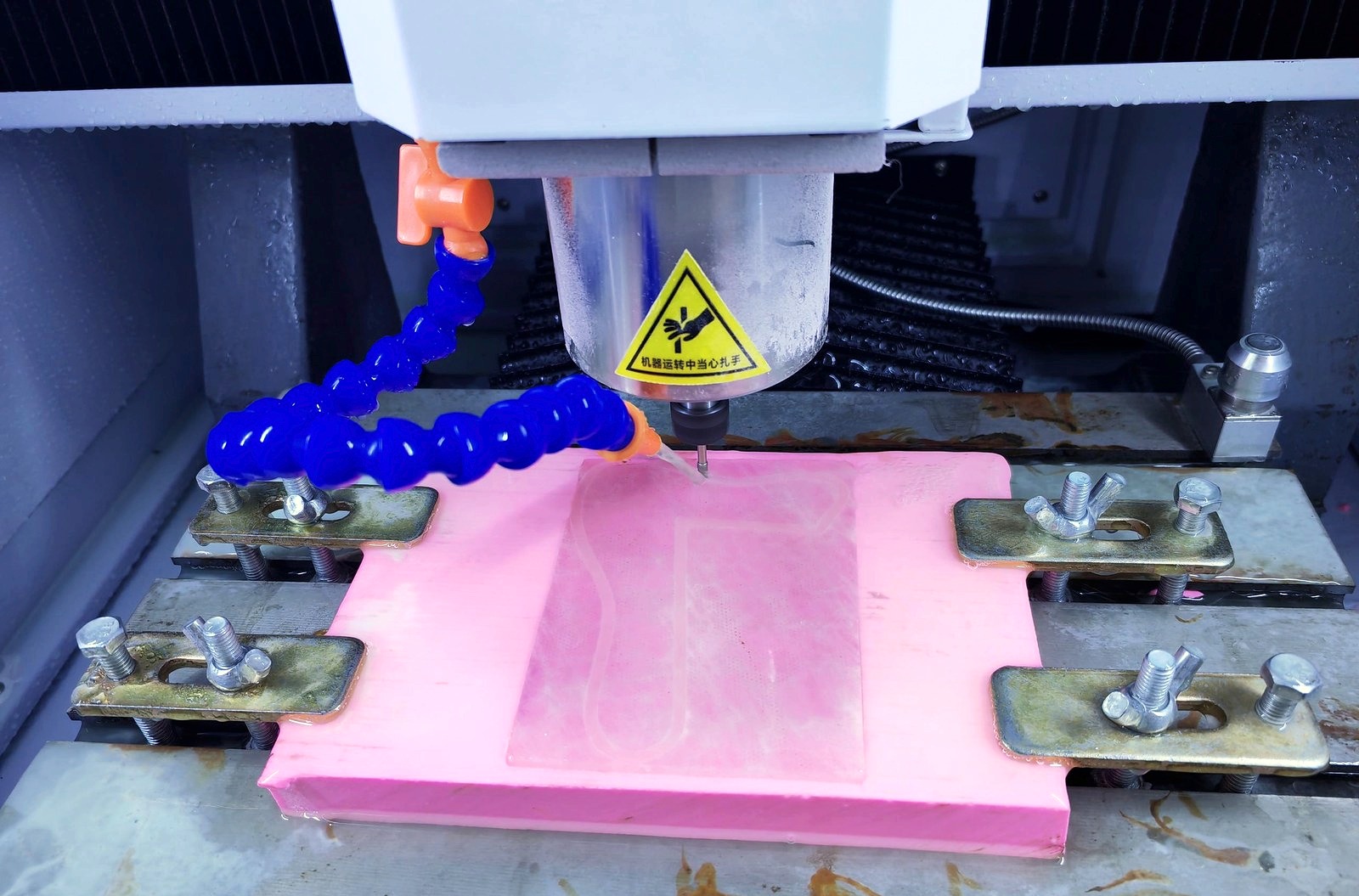
On natural stone, laser engraving removes surface crystals and leaves a slightly uneven fractured edge, because the mineral structure is not uniform. This is normal for the material. Buyers who want a flatter, cleaner mark on stone usually prefer silk screen printing.
Step 6 - Cleaning
Finished tools are ultrasonically cleaned to remove polishing compound and dust, then dried, so the tool can be packed and shipped as a hygienic consumer product.
Step 7 - Inspection
Dimensional checks, surface and edge inspection, logo verification and finish verification are performed before packing, and findings are recorded per batch.
Step 8 - Packaging and Carton Packing
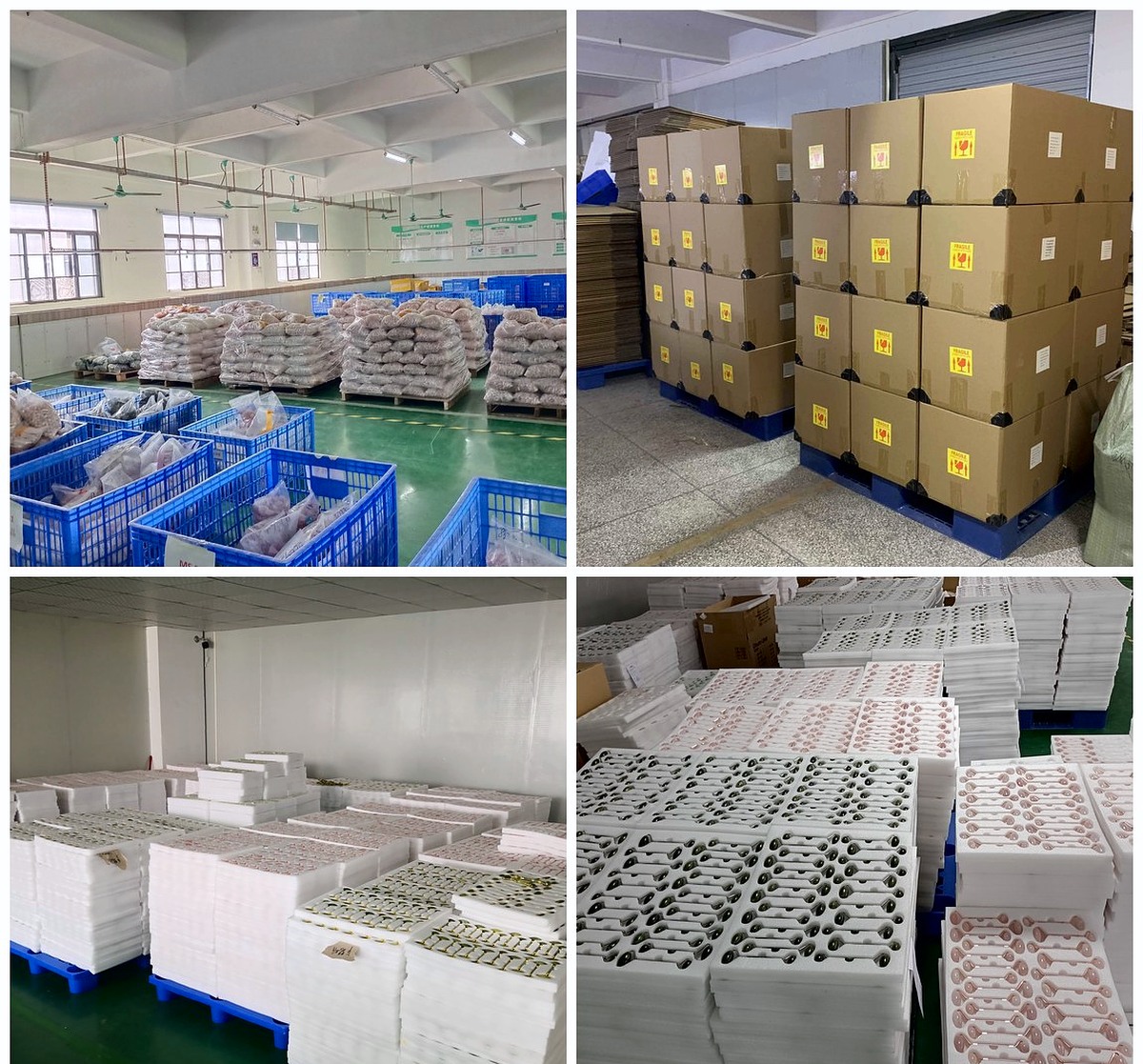
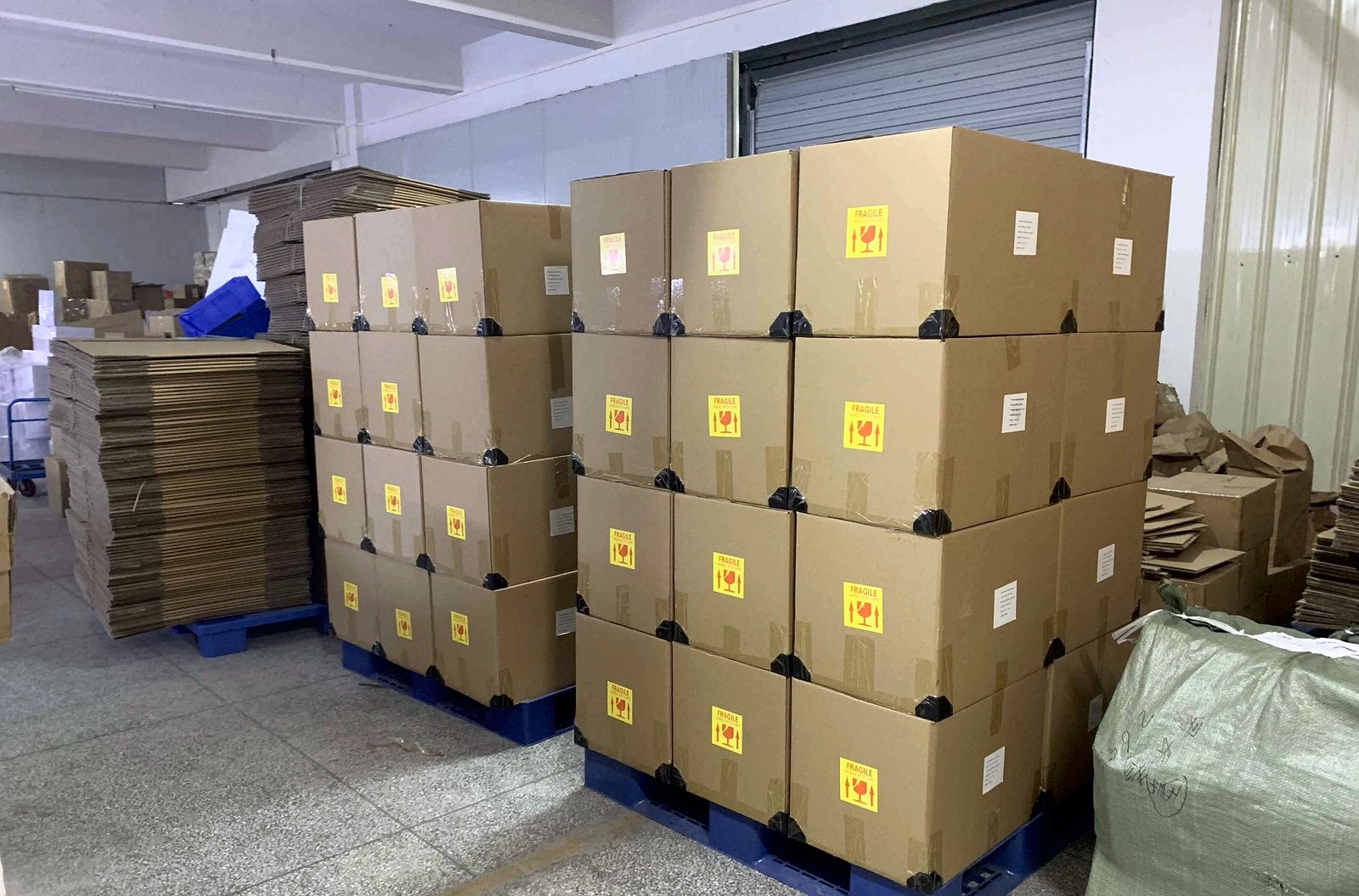
Tools are packed into retail boxes, pouches or sleeves with inserts, then cartoned for export with the outer marking your importer or 3PL needs. Bulk export cartons are standard K=K board with protective corners, which keeps transit damage low.
6. Quality Control at Every Stage
Inspection is not a final gate at our factory; it runs through the whole process, because a defect caught at polishing costs a minute and the same defect caught after packing costs a shipment.
Three-Stage Full Inspection
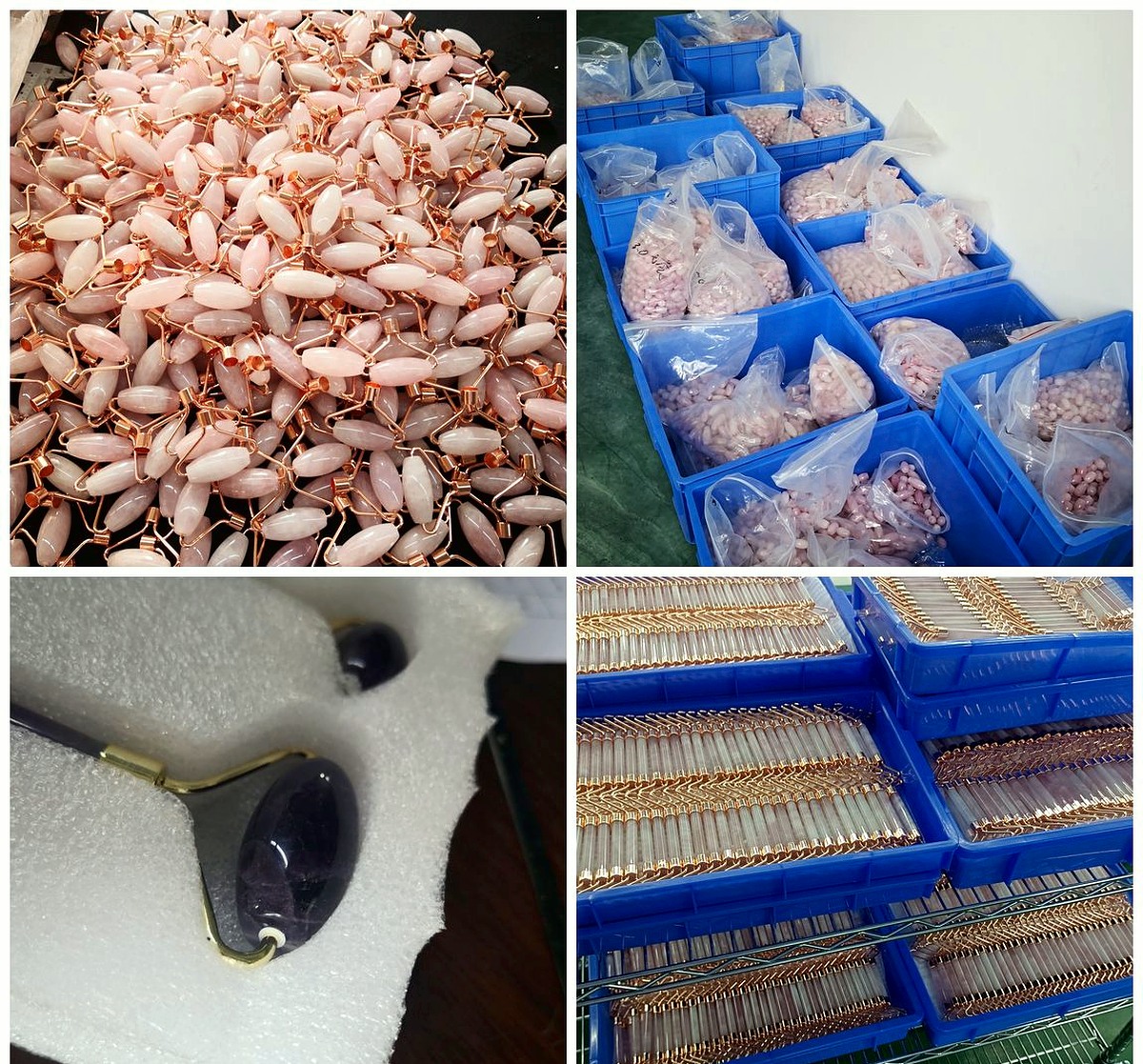
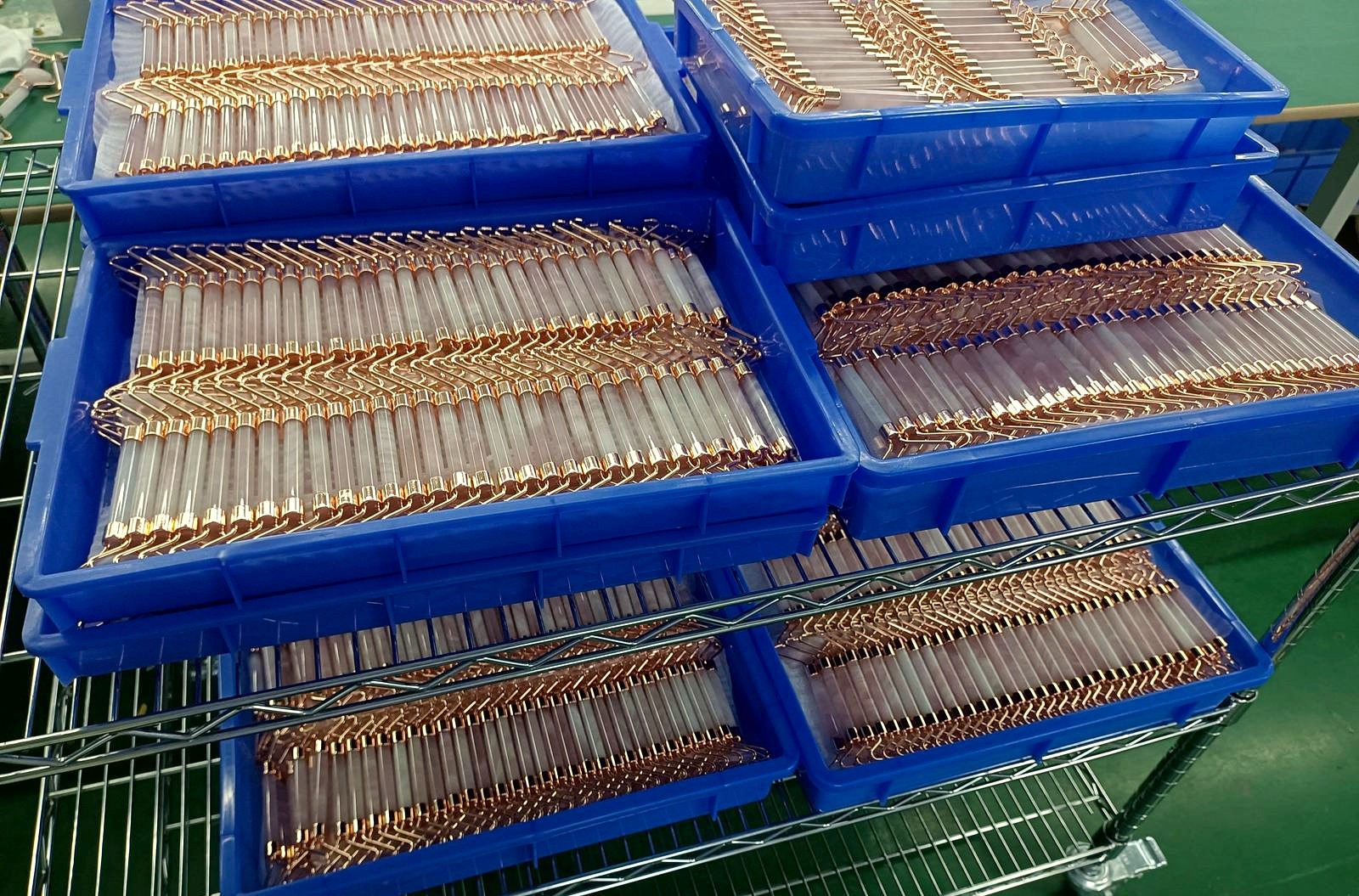
Every shipment passes three full inspections. First, bulk completeness and integrity check at the production site. Second, grading of product quality against our published standard. Third, a full pre-shipment inspection of assembled and packed goods. We also support third-party inspection on request.
Incoming and In-Process Checks
Steel grade, stone quality and dimension stock are verified against the order before production. During production, dimension, edge radius, surface finish and logo depth are checked as batches move between stations, so a drifting process is corrected before it fills a carton.
7. Quality Grades: What A+, A, AB and B Actually Mean
Natural stone is not uniform, so a factory either defines grades or argues about defects later. We grade rose quartz and white jade on four criteria: colour saturation, chips and nicks, inclusions, and dimensional tolerance. Our standard grades are A+, high A, AB and B.
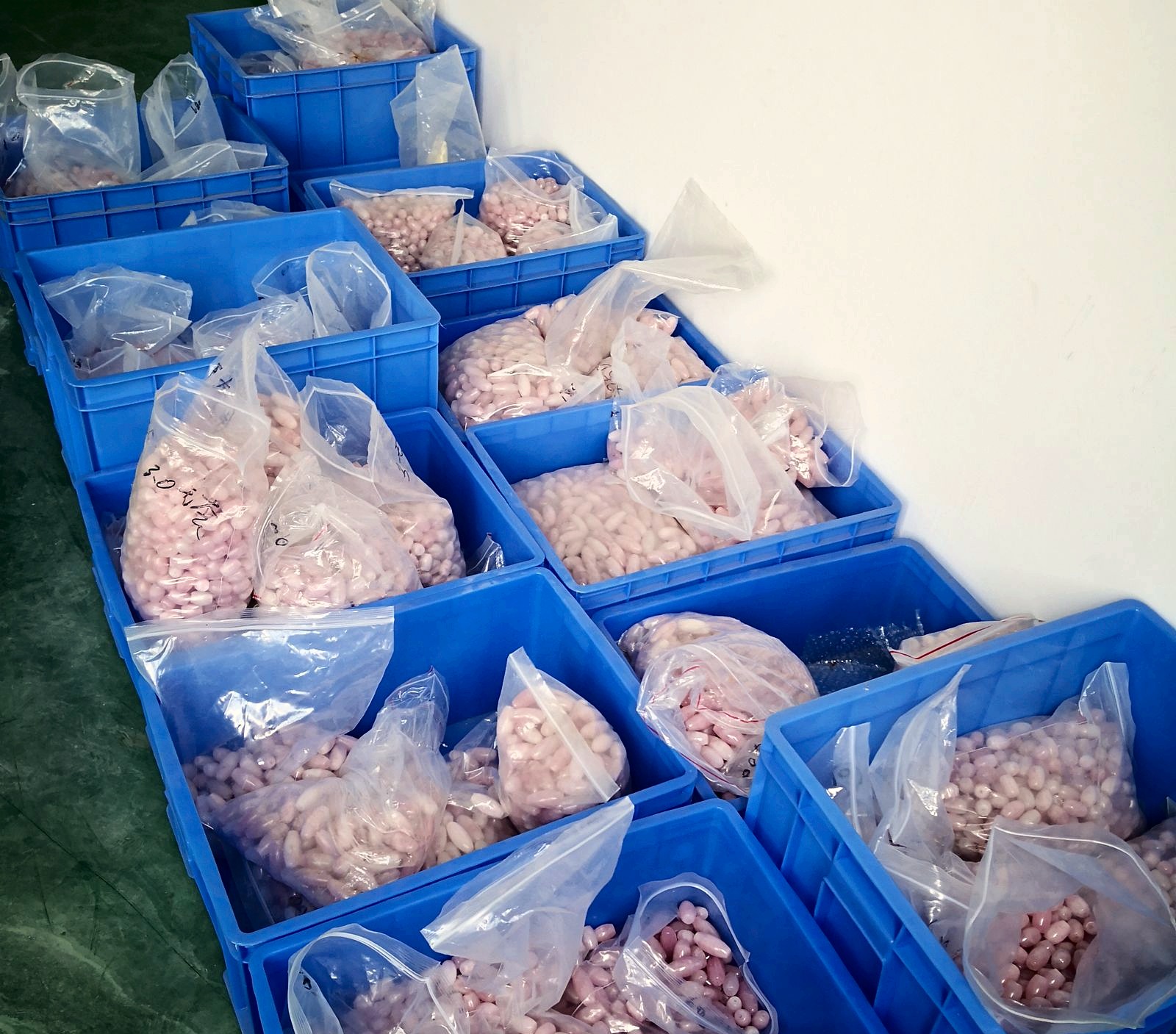
Dimensional tolerance across these grades is normally within about 2 mm. A standard heart-shape facial gua sha measures 82 x 51 x 6.5 mm, so 2 mm is roughly a 2-4% variation - visible on a caliper, not in the hand.
Choosing a Grade for Your Channel
For retail in overseas markets, grade A and AB suit value supermarkets and high-street volume, while grade A suits premium supermarkets and skincare brands. For gift-with-purchase and giveaway programs, choose grade A or above: lower grades generate disproportionate after-sales complaints when the tool is the first impression of your brand.
Minor veins, cotton-like inclusions and colour bands are natural characteristics of stone, not defects. A grade standard tells you which of them are acceptable, so both sides are inspecting against the same document.
8. Certification and Compliance
Factory qualifications include ISO and BSCI, and our facility has passed audits for international beauty and entertainment brands. Product documentation available includes patent certificates, gemstone identification reports, CE, RoHS, REACH, California Proposition 65 test reports and heavy-metal detection reports.
If your market or marketplace requires specific paperwork - natural and untreated declarations, origin certificates, MSDS or material safety statements - tell us at the quotation stage so it is gathered alongside production rather than after it.
9. OEM, ODM and Private Label
OEM means we build your design; ODM means you choose from designs we have already developed and we brand them for you. Most first orders are ODM because it is faster and cheaper; most second orders move toward OEM as the brand refines what its customers actually buy.
Custom Shape Development
Send a sketch, a CAD file, a reference sample or a photo. We confirm dimensions, weight, material and edge profile, then produce a pre-production sample for approval. Custom shape minimums depend on the material and are set out in section 10.
Logo and Branding
Laser engraving on stock shapes starts at 200 pieces per model, which keeps a first branded order inside a testable budget. Silk screen printing starts at 1,000 pieces. Vector artwork is preferred; we confirm placement and scale on a mock-up before sampling.
Packaging and Gift Sets
Printed gift boxes, fabric pouches, paper sleeves, molded or foam inserts, instruction cards and branded outer cartons. Custom flip boxes start at 500 pieces, custom window boxes at 1,000 pieces, and cloth bags at 500 pieces. Packaging normally has the longest lead time in a custom project, so decide it in the same conversation as the product.
10. MOQ, Samples, Lead Time and Payment
Minimum Order Quantity
Minimums are set by material and by whether the shape is custom. Stock shapes with your laser-engraved logo start at 200 pieces per model. Custom shapes start at 100 pieces for bian stone, 500 pieces for other stone, and 1,000 pieces for stainless steel and ceramic. High-value items such as crystal eye masks and facial masks start at 100 pieces.
Samples
Samples are the cheapest insurance in this business, and turnaround depends on the process: laser engraving is fastest, silk screen takes longer, and a custom stone shape takes longest of all. Sample cost is quoted per project because it depends on the material, the process and how much development is involved - it is not a fixed number.
Sample cost is credited back against your order once it reaches the qualifying volume, so a serious project treats sampling as an advance on production rather than a sunk cost. We confirm the exact terms with your quotation.
Tooling
The tooling picture depends entirely on the material, and it is the opposite of what most buyers assume. Custom stone shapes - bian stone especially - form without a mold, which is why they carry the lowest minimum, 100 pieces. Stainless steel and ceramic custom shapes do require a mold, so tooling is an additional cost and the minimum rises to 1,000 pieces. Stainless is the cheaper material to buy and the more expensive one to tool.
Lead Time
Stock items with no customization can ship in as little as 3 days. Made-to-order production starts at 25-30 days, because the stone must be cut from raw material, shaped, polished and finished before it becomes a tool. Shortening the cycle means cutting a stage, and each stage affects how the finished tool looks and feels.
When You Need It Faster
Three options, depending on your deadline: allocate existing stock for non-customized items; add production shifts to pull a custom order forward by roughly 5-7 days; or split the order, shipping available stock first and the balance afterward. Tell us your delivery date and we will quote against it.
Payment and Terms
Payment structure is confirmed on the proforma invoice before production, with the balance due before shipment. Export documentation and shipping terms are agreed at the same time so there is no surprise at the port.
11. Who We Work With
Skincare and Beauty Brands
Brands building a tool line under their own label: private label on proven shapes, then custom shapes and packaging as the line matures. Logo MOQ from 200 pieces lets a brand test the market before tooling investment.
Spas, Salons and Clinics
Treatment-room tools chosen for sanitation and durability, which usually means stainless steel, plus retail-ready versions to sell to clients after treatment. Clinics and physiotherapists order IASTM instruments and cryo tools.
Wholesalers and Distributors
Mixed-model assortments across materials, often in one consolidated shipment, with private label branding for resale. Distributors typically value stable repeat supply and consistent packing more than the lowest possible unit price.
Gift, Subscription and Holiday Buyers
Combination sets with premium packaging for seasonal programs, subscription boxes and corporate gifting, where the unboxing experience and on-time delivery matter as much as the tool.
12. How to Evaluate a Gua Sha Supplier
Whether you work with us or another factory, these are the questions that separate a manufacturer from a reseller.
Can They Name the Material Grade?
A real factory will say 304 food grade, 316 or 420 stainless steel, or name the stone and its origin. Vague answers like premium metal signal a trader.
Do They Publish a Quality Standard?
Ask to see the grade definitions and the tolerance range before you order, and ask for a signed limit sample. If defect arguments are settled by opinion instead of a document, you will lose those arguments at volume.
Do They Sample Before Bulk?
A pre-production sample approved by you, then used as the inspection reference, is the single most effective quality control a buyer has.
What Happens on a Reorder?
Repeat orders should reproduce the approved sample without renegotiation. Ask how the factory stores your specification and your logo file.
Who Answers When Something Goes Wrong?
Problems in manufacturing are normal; the question is whether the person who answers is empowered to fix production. Direct factory relationships shorten that loop to hours.
13. Care, Use and After-Sales
Using the Tool
Work from the centre of the face outward and from the bottom upward for a lifting effect. Do not use gua sha on broken, inflamed or severely acne-affected skin, during recovery from a cosmetic procedure, or during pregnancy.
Cleaning and Storage
Rinse with warm water after each use, dry with a soft cloth, and store in a cool dry place away from direct sunlight. Hot water cleaning is fine. If your tool carries a logo, avoid alcohol disinfection, as it can affect the mark. With proper care, a stone gua sha has no shelf life and can last for decades.
After-Sales
Inspect goods within 7 days of delivery. If anything falls outside the agreed quality standard, send photos and video and we will arrange replacement, rework or a supplementary shipment. This is why we define grades in writing before production begins.
14. Frequently Asked Questions
What material is your stainless steel gua sha made from?
Our stainless steel gua sha and IASTM tools are manufactured in 304 food grade stainless steel as standard, with 316 for higher corrosion resistance and 420 for clinical instruments where hardness matters. All grades are non-porous and easy to sanitize.
What is your MOQ?
It depends on the material and the shape. Stock shapes with custom laser engraving start at 200 pieces per model. For custom shapes: bian stone 100 pieces, other stone 500 pieces, stainless steel and ceramic 1,000 pieces. High-value items such as crystal eye masks and facial masks start at 100 pieces.
Can I put my logo on the tool, and is there a minimum?
Yes. Laser engraving on stock shapes starts at 200 pieces per model and is permanent. Silk screen printing starts at 1,000 pieces. Most buyers choose laser engraving because adhesion and durability are better.
Do you offer private label and OEM service?
Yes, both. Private label means our existing shapes branded as yours. OEM means we develop a new shape from your sketch, CAD file or reference sample.
How long does a sample take, and what does it involve?
Turnaround depends on the process: laser engraving samples are fastest, silk screen takes longer, and custom stone shapes take longest. Sample cost is quoted per project against the specific material and process, and is credited back at the qualifying order volume.
What is the lead time?
Stock items with no customization can ship in as little as 3 days. Made-to-order production starts at 25-30 days, because stone must be cut from raw material, then shaped, polished and finished.
Can you shorten the lead time?
Yes, three ways: allocate existing stock for non-customized items, add production shifts to pull a custom order forward by roughly 5-7 days, or split the shipment so available stock ships first. Tell us your delivery date and we will quote against it.
How thick should a gua sha tool be?
Facial tools commonly run around 3-5 mm at the working edge, while body tools are thicker for rigidity and pressure control. A standard heart-shape facial gua sha measures 82 x 51 x 6.5 mm, with roughly 2 mm tolerance on bulk production.
Is stainless steel better than jade?
For hygiene, durability and clinical use, yes: steel is non-porous, will not chip and can be sterilized. For wellness storytelling, emotional appeal and weight in the hand, natural stone remains the stronger choice. Many brands carry both.
Does stainless steel rust?
Food grade 304 and 316 stainless steel is corrosion resistant and will not rust under normal use and care. Drying the tool after cleaning keeps the surface at its best.
304 or 316 - which should I order?
304 food grade covers the large majority of beauty and spa applications. Choose 316 when the tool will be used in humid environments, sterilized frequently, or marketed into clinical and sports recovery channels.
Can the tools be sterilized in a clinic?
Yes. Stainless steel tools can be cleaned with alcohol, UV sterilizers or autoclave protocols. Stone tools should be rinsed and dried carefully rather than autoclaved, and tools carrying a logo should not be treated with alcohol.
How do you handle quality grades and natural variation?
We grade stone as A+, high A, AB and B on colour, chips, inclusions and dimensional tolerance - normally within about 2 mm. Minor veins and inclusions are natural characteristics of stone, not defects, and both sides inspect against the same published standard.
What certifications do you have?
Factory qualifications include ISO and BSCI, with audits completed for international beauty and entertainment brands. Product documentation includes patent certificates, gemstone identification reports, CE, RoHS, REACH and California Proposition 65 test reports.
Can I order a custom shape?
For custom shapes, bian stone has the lowest minimum - 100 pieces - and the lowest sample cost, because it shapes without a mold. Other stone starts at 500 pieces. Stainless steel and ceramic require a mold, so both tooling and minimum order rise, to 1,000 pieces. Stainless is the more expensive route to a custom shape, not the cheaper one.
Can I get custom packaging?
Yes - printed gift boxes, fabric pouches, paper sleeves, molded or foam inserts and instruction cards. Custom printed flip boxes and cloth bags start at 500 pieces; printed window boxes start at 1,000 pieces.
Will you protect my custom design from other buyers?
Yes. Custom designs can be covered by a formal confidentiality agreement, and we do not produce the same exclusive design for other clients. Your specification and artwork are filed confidentially.
Can I order samples first?
Yes, and we recommend it. The approved sample becomes the quality reference for mass production and for every reorder.
What information do I need to send for a quote?
Tool shape or reference, material, size or weight target, logo requirement, packaging requirement, quantity per model, and your destination market. With those details we can quote accurately instead of guessing.
15. Start Your Custom Gua Sha Project
Send us your product idea, reference image or logo file, the material you have in mind, your target quantity, and where the goods need to ship. We will reply with a recommended construction, MOQ, lead time and quotation - and if a different material would serve your market better or cost less, we will tell you before you order.
guashafactory@gmail.com | +86 133 3260 7156 | No. 88 Zhengkeng Street, Changan Town, Dongguan City, Guangdong, China