Oct 7, 2026Services Overview
Gua Sha Quality Checklist: 12 Inspection Points
A gua sha quality checklist: material verification, dimensions, edge radius, surface, logo placement, weight, packing and the record that ships with each batch.
Quality control is only real if it produces a decision. An inspection that records observations but never rejects anything is a formality rather than a control.
These are the inspection points we apply to a stainless steel batch and the rule attached to each one.
1. Material Verification
Confirm the material against the certificate before production. Grade substitution is the one defect that cannot be detected by looking at a finished tool.
This is a control point, not an inspection step: it happens before work starts, and it is the reason the mill certificate matters.
2. Dimensional Accuracy
Measure length, width and thickness against the approved drawing. Confirm the tool sits flat on a reference surface.
A warped tool is rejected, because it cannot be finished consistently and will not sit correctly against skin.
3. Edge Radius
Check the contact edge by gauge for the dimension and by hand for the transition. The check runs around the entire contour, including the tight interior curves.
Any hard point on the contact surface is a rejection, not a downgrade.
4. Surface Quality
Inspect both faces under raking light for scratches, marks and polishing defects. Raking light is used specifically because flat light hides the marks customers see.
The grading rule is explicit: a defect on the contact surface is rejected; a defect on a non-contact face is graded down or scrapped.
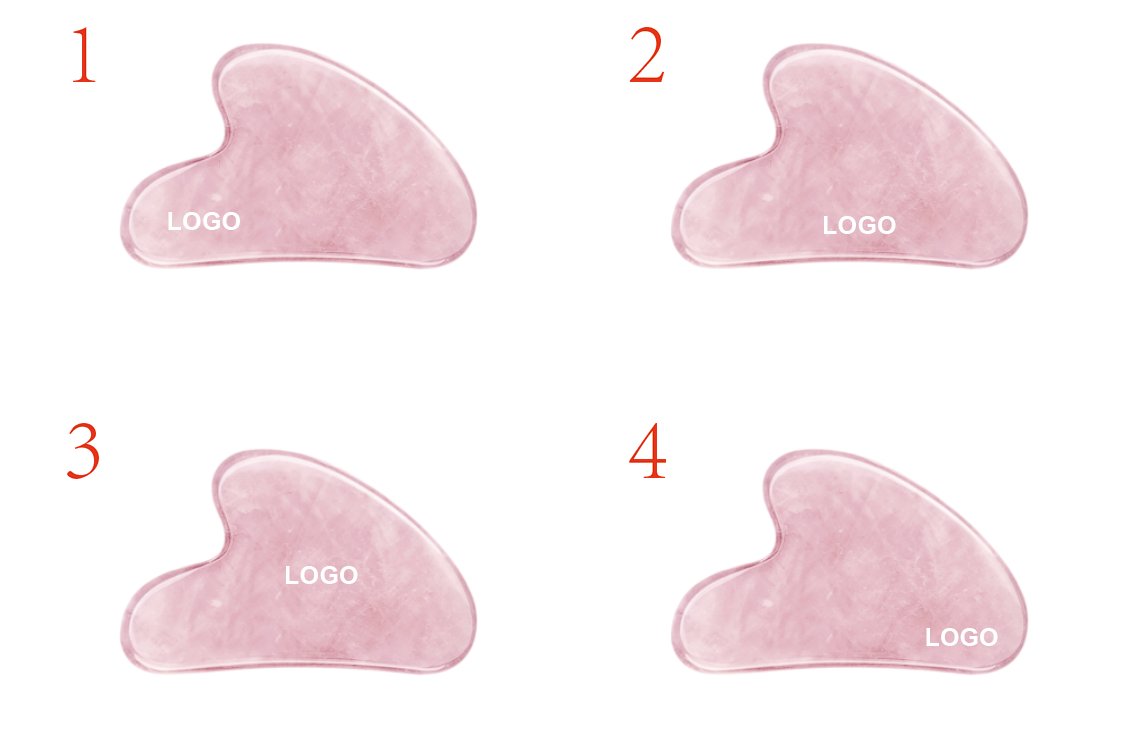
5. Logo Placement and Depth
Compare the mark against the approved sample for position, depth and tone. Placement is measured relative to the tool edge rather than judged by eye.
Marks on curved areas are checked specifically, because detail falls off across a tight curve.
6. Weight and Balance
Confirm the piece falls within the agreed weight band and that the balance point is consistent across the batch.
This is checked on the finished piece, because finishing removes material and can shift the balance.
7. Surface Protection and Packing
Confirm the tool is clean, dry and free of residue before packing, and that the insert holds it away from the box walls.
A tool that passes every earlier check and arrives scratched has still failed. Packing is the last inspection point, not an afterthought.
8. What Ships With the Batch
The inspection record states what was checked, the result, and the material documentation for the batch.
That record is what makes the process verifiable after the fact.
9. Working With Us
Alison Gua Sha Factory applies these inspection points to every stainless steel batch, with rejected pieces removed from the batch rather than graded down where the contact surface is affected.
Tell us if your market requires additional checks or a particular record format and we will confirm what we can supply.
guashafactory@gmail.com | +86 133 3260 7156 | No. 88 Zhengkeng Street, Changan Town, Dongguan City, Guangdong, China
Frequently Asked Questions
How many inspection points do you apply?
Material verification, dimensions, edge radius, surface quality, logo placement, weight and balance, and surface protection at packing.
What is the difference between rejecting and grading down?
A defect on the contact surface is a rejection. A defect on a non-contact face may be graded down or scrapped depending on severity.
Why inspect under raking light?
Flat light hides fine marks. Raking light reveals the surface as a customer will see it in normal use.
How is logo placement checked?
By measuring position relative to the tool edge against the approved sample, not by eye.
Why check weight on the finished piece?
Finishing removes material and can shift the balance, so it is checked after finishing rather than on the blank.
Is a warped tool repairable?
It is rejected. A warp cannot be finished to a consistent edge and the tool will not sit correctly on skin.
What record ships with a batch?
An inspection record stating what was checked and the result, plus the material documentation for the batch.
Can you apply additional market-specific checks?
Tell us what your market requires and we will confirm which checks we can perform and which are best arranged locally.