Oct 7, 2026Services Overview
Red Flags When Sourcing Gua Sha Tools from China
Red flags when sourcing gua sha tools: unnamed production steps, missing certificates, a yes to everything, sampling reluctance, shifting specifications and false urgency.
The warning signs in gua sha sourcing are consistent. They are not exotic, and once you know them they are visible long before money changes hands.
This page lists the signals we would treat as a reason to slow down or walk away, and explains what each one actually indicates.
1. No Named Production Steps
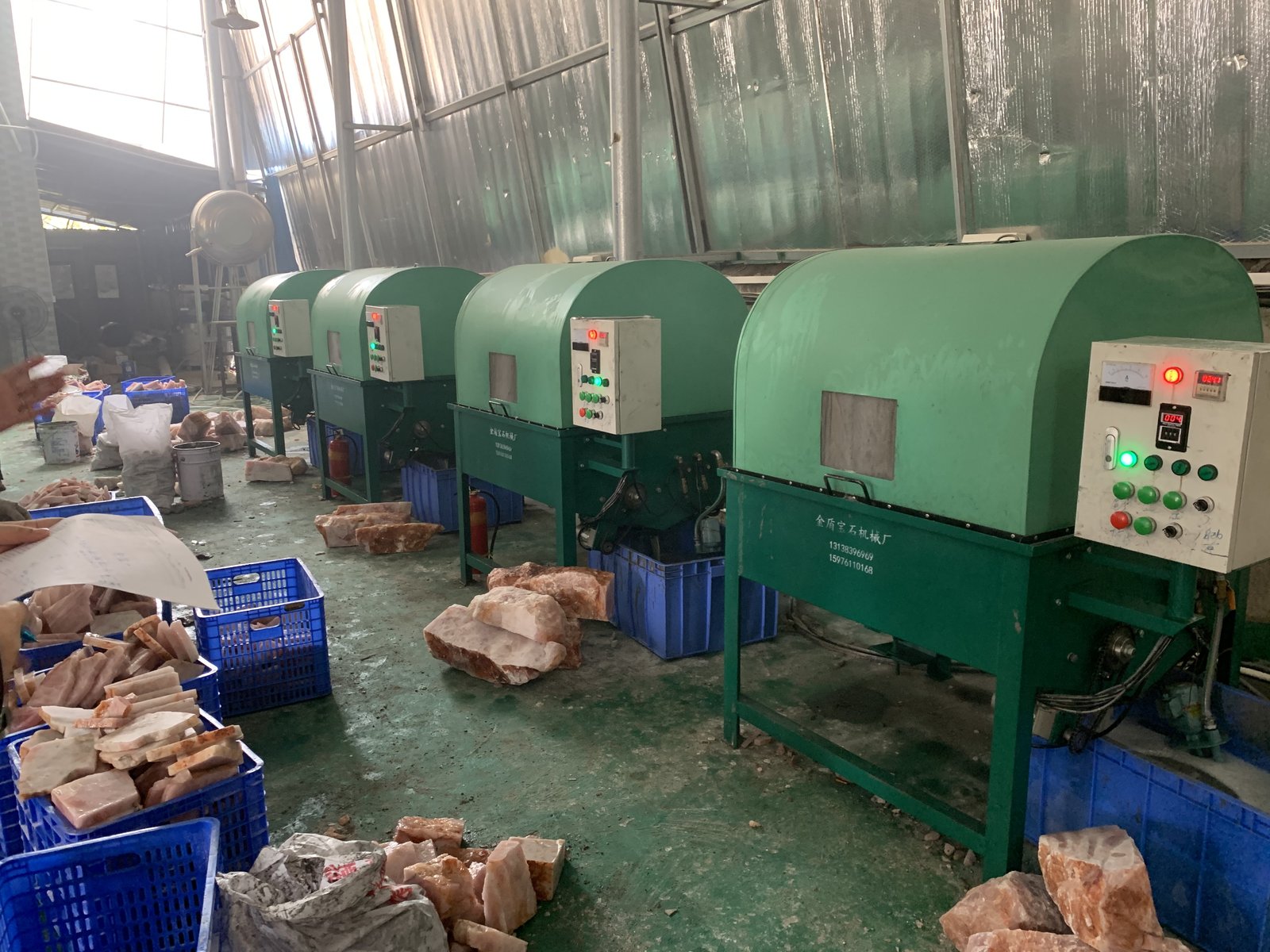
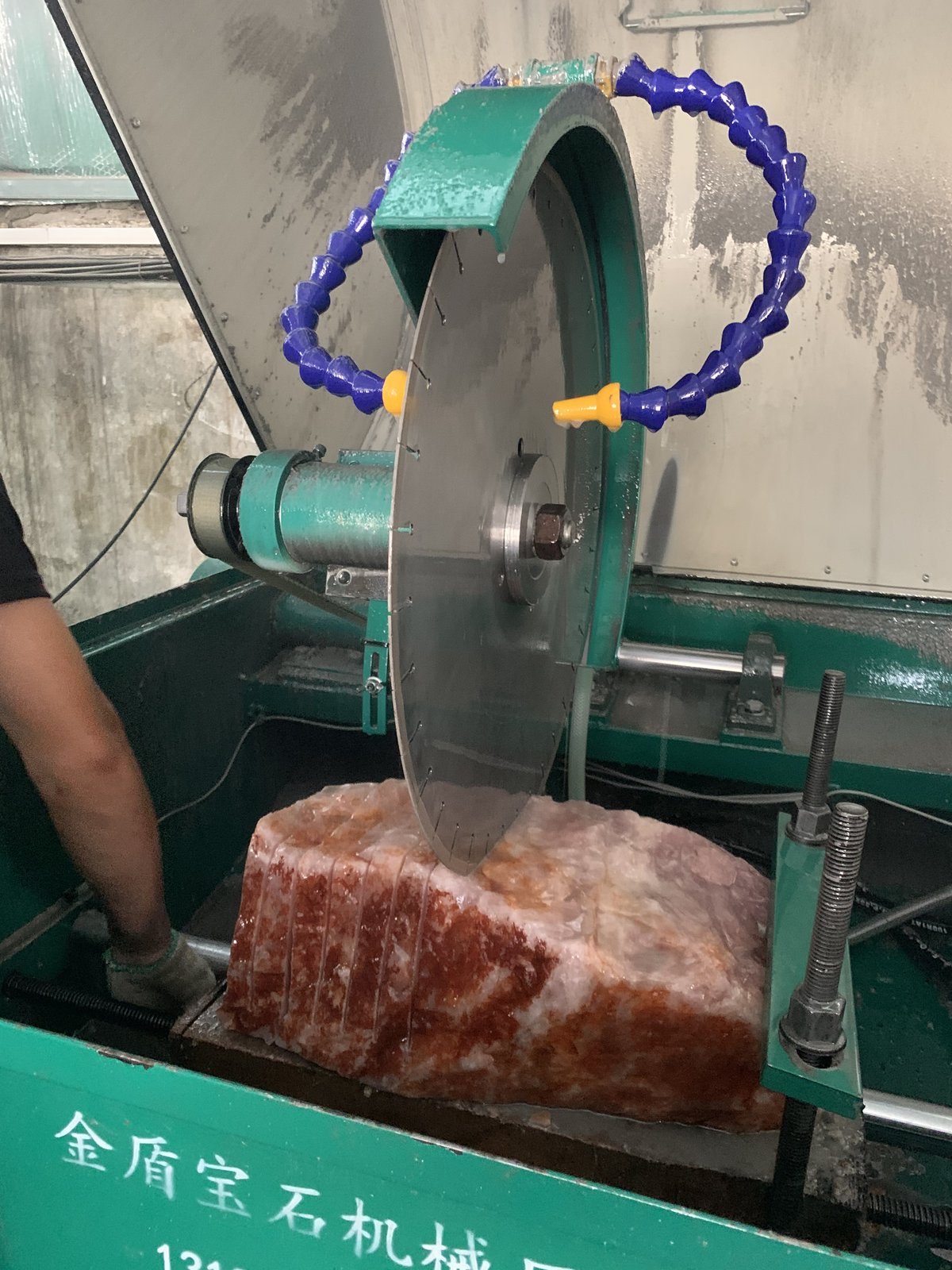
The most common red flag is a supplier who cannot describe production in sequence. Cutting, forming, polishing, marking, inspecting and packing happen in an order, and anyone who runs a floor can recite it.
If the description is vague or jumps around, the order is likely being placed with someone else.
2. Documents That Cannot Be Produced
A grade claim without a mill certificate is a marketing line. The document either exists or it does not, and producing it takes minutes.
The same applies to inspection records. If a supplier describes quality control but cannot show the format of the record, the process is verbal.
Verbal quality control is not quality control. A record is what makes a process real.
3. A Yes to Everything
A supplier who never raises a limitation is not being helpful. Every material and every process has boundaries, and a supplier who understands them will name them.
Real answers sound like this: that geometry is possible but needs a die, that finish is achievable on this shape but not on that one, that lead time moves with the marking method.
4. Unwillingness to Sample
A supplier who resists producing a physical sample before a production order is asking you to take the risk on their behalf.
Sampling is standard practice. Reluctance usually signals either that the sample would reveal something or that production has not been planned.
5. Shifting Specifications
Watch for small specification changes between the sample and the order: a different grade, a different finish, a slightly different dimension.
Each change individually looks minor. Together they indicate a supplier who is substituting whatever is available.
6. Pressure and Urgency
Artificial urgency is a sales technique rather than a production reality. A supplier who needs a decision today is usually not the one with the deepest order book.
Production schedules are predictable. A supplier running a real floor can tell you when they can start without demanding an immediate commitment.
7. What to Do Instead
None of these signs requires confrontation. Simply ask for the drawing, the certificate and the sample, and set the response in writing.
Suppliers who are what they claim will produce all three quickly. That is the whole test.
8. Working With Us
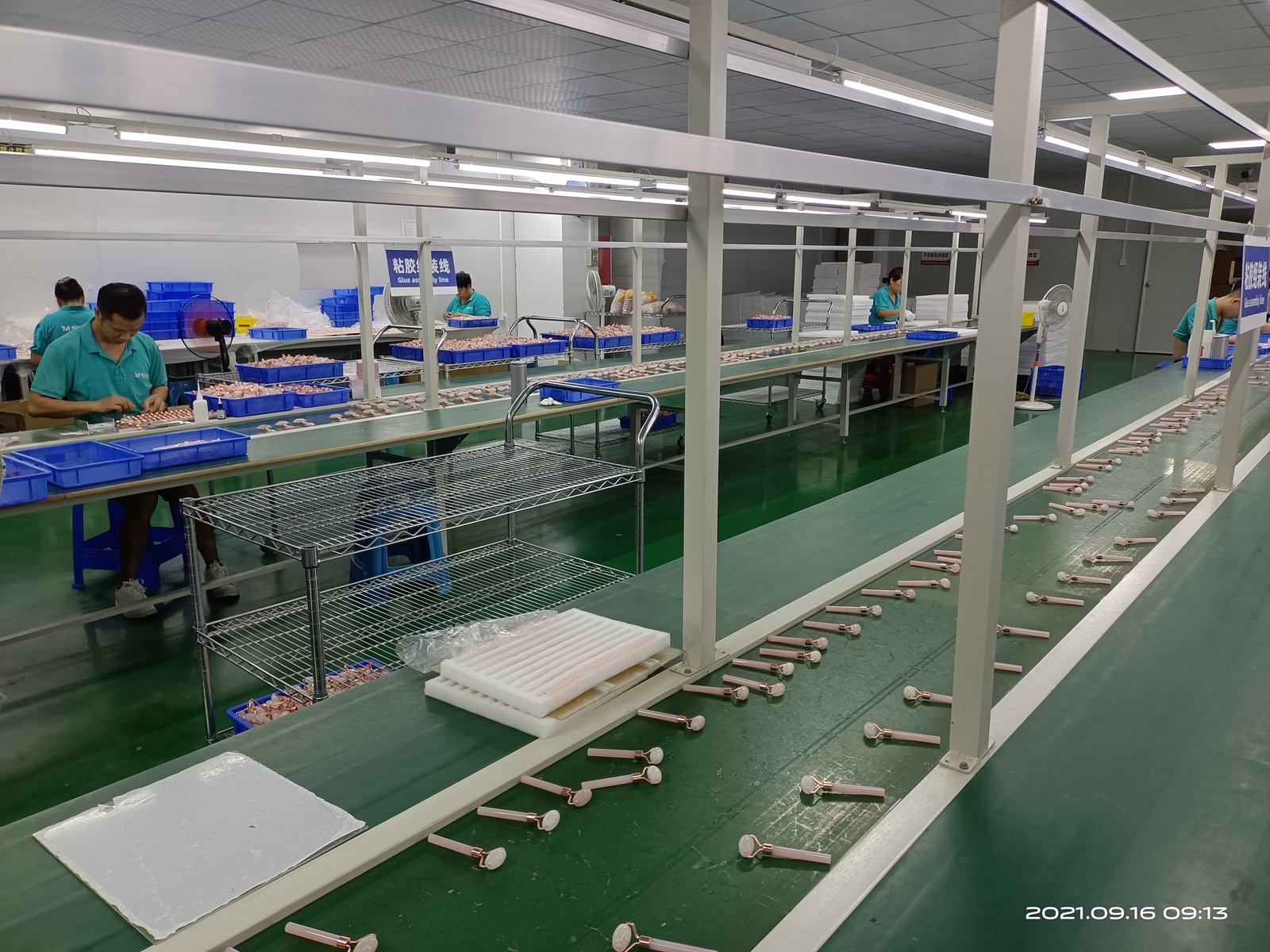
Alison Gua Sha Factory runs production under one roof, supplies drawings before sampling, and states the limits of a specification before you commit.
Ask us for a stage-by-stage description of your project and for the documentation. We would rather answer at specification stage than discover a problem later.
guashafactory@gmail.com | +86 133 3260 7156 | No. 88 Zhengkeng Street, Changan Town, Dongguan City, Guangdong, China
Frequently Asked Questions
What is the biggest red flag?
A supplier who cannot describe production in sequence. Anyone running a floor can list the stages in order.
Should I worry if a supplier says yes to everything?
Yes. Every material and process has limits, and a supplier who understands them will name them.
Is refusing a sample a bad sign?
Yes. Sampling is standard practice, and reluctance suggests the sample would reveal something or that production is unplanned.
What if specifications change between sample and order?
Treat it seriously. Small substitutions between sample and production indicate a supplier using whatever is available.
Is urgency a bad sign?
Artificial urgency is a sales technique. A supplier running a real floor can give you a realistic start date without demanding an immediate decision.
How do I test a supplier cheaply?
Ask for a drawing, a material certificate and a sample. The speed and completeness of the response is the test.
What does verbal quality control indicate?
That there is no recorded process. A record is what makes quality control real and verifiable.
Should I walk away immediately?
Not necessarily. Ask for the documents and the sample in writing and see how the supplier responds.