Oct 7, 2026Services Overview
Supplier Evaluation Checklist: How to Vet a Gua Sha Factory
A supplier evaluation framework for gua sha buyers: establishing who owns production, testing technical answers, requesting documents, judging communication and sampling.
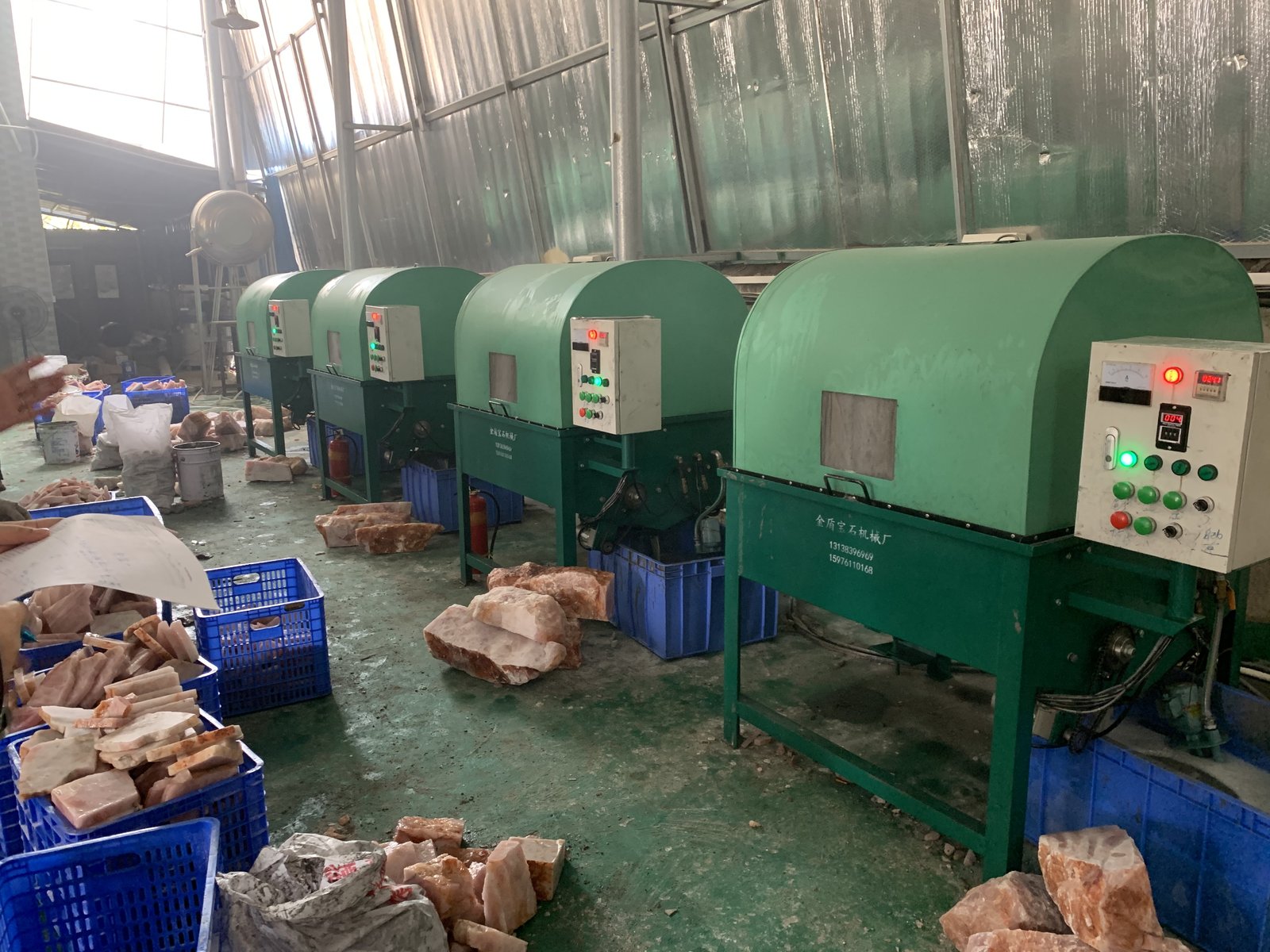
Most sourcing problems that surface late were visible at the start. They were not hidden; they simply were not asked about, because the questions that reveal them are not the ones buyers usually ask.
This is the evaluation framework we would use ourselves if we were buying stainless steel tools from another supplier.
1. Establish What They Actually Are
Start with the question that determines everything else: does the supplier own production, or forward your order to someone who does?
The follow-up matters more than the answer. Ask which steps happen inside their building. A supplier who can name the steps in sequence runs a floor. A supplier who cannot is a broker.
Question | Strong answer | Weak signal |
|---|---|---|
Who cuts the material? | We do, on our own equipment | Our partner factory |
Can I see the finishing line? | Video call or visit any time | Deferred without reason |
Who signs the inspection record? | Our own QC team, named | The supplier's paperwork |
What happens on a bad batch? | We remake it | Escalated upward |
2. Test the Technical Answers
Technical questions separate a supplier who understands the product from one who repeats marketing language.
Ask about grade, edge radius, finish route and marking method. A supplier who answers precisely, including the limits of what they can do, is more useful than one who answers everything with yes.
A supplier who never says no has not understood your specification.
3. Request Documents Early
Ask for the mill certificate and the inspection record format before you ask for a quotation. Documents that exist take minutes to produce. Documents that do not exist generate explanations.
This is a fast filter and it costs you nothing but an email.
4. Evaluate Communication
Sourcing is a long correspondence. Judge the reply, not the first one, but the third and fourth: does the supplier answer the question that was asked, and do they raise problems early?
A supplier who flags a difficulty before production is worth more than one who reveals it at shipment, even if the flag is unwelcome.
5. Sample Before Committing
A sample is the cheapest test in the process. Evaluate the edge, the surface, the logo and the weight, and hold the supplier to the specification on the sample paperwork.
If the sample is right and the documents are right, the risk in the production order falls sharply.
6. Scale the Relationship
Start with a defined order, evaluate the result, then scale. A supplier who performs on a small order earns the next one.
Treating the first order as a test protects both sides and gives you a real basis for the second.
7. Working With Us
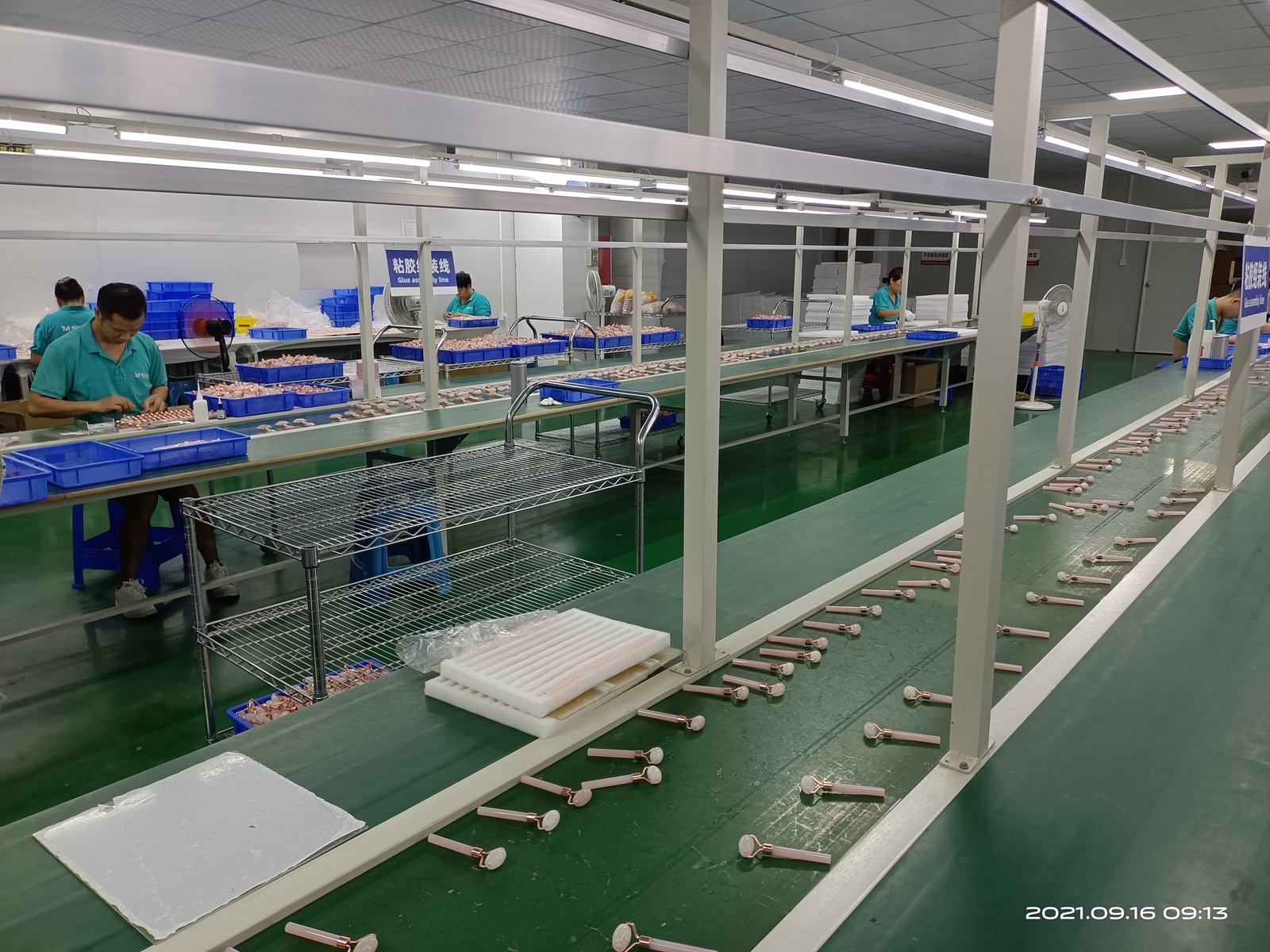
Alison Gua Sha Factory runs cutting, finishing, marking, inspection and packing under one roof, and we answer technical questions with the limits stated.
Ask us the questions above, and request the documents. We would rather resolve a difficulty during specification than at shipment.
guashafactory@gmail.com | +86 133 3260 7156 | No. 88 Zhengkeng Street, Changan Town, Dongguan City, Guangdong, China
Frequently Asked Questions
What is the single most important question?
Whether the supplier owns production. Ask which steps happen inside their building; a supplier who can name them in sequence runs a floor.
Why ask for documents before a quotation?
Documents that exist take minutes to produce. It is a fast, free filter on how organised a supplier is.
How do I test technical knowledge?
Ask about grade, edge radius, finish route and marking method. A supplier who states limits is more useful than one who agrees with everything.
How should I judge communication?
By the third and fourth reply rather than the first. Does the supplier answer the question asked, and do they raise problems early?
How many samples should I request?
One round is usually enough if the specification was settled first. Multiple rounds usually indicate an unclear brief.
When should I scale the order?
After a defined first order has performed. Treat the first order as a test and scale on the result.
What if a supplier cannot supply a certificate?
Ask why. For stainless steel the grade and heat number should be traceable, and an inability to provide it is worth resolving before ordering.
Can I visit or video call?
We host visits and video calls, and we can walk through the stages in order so you can see where your order sits.