Oct 13, 2026Services Overview
How to Start a Private Label Gua Sha Brand (Step-by-Step)
Private label gua sha step by step: laser logo from 200 pcs, custom shapes by material from 100 pcs, printed packaging from 500 pcs, sample approval before mass production.
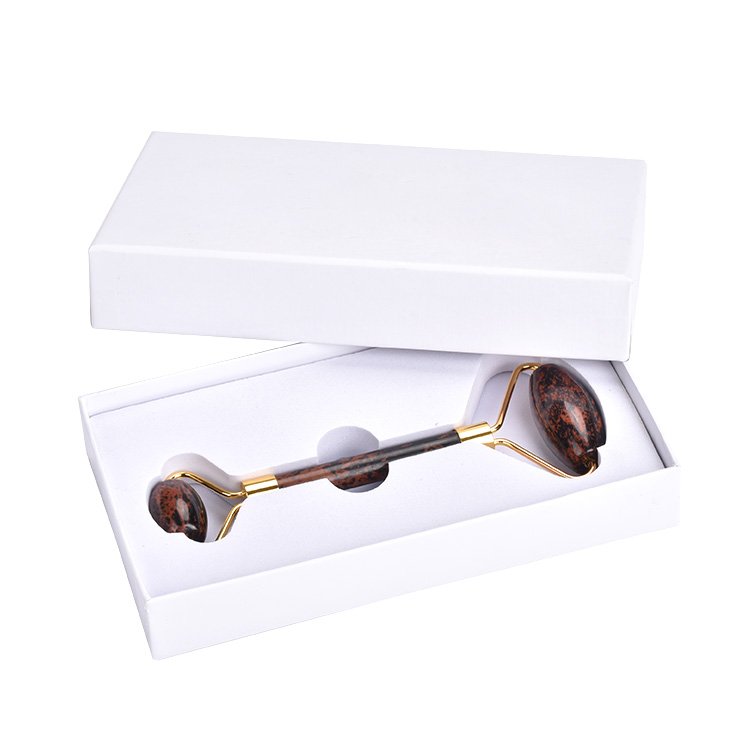
Private label gua sha means you sell tools manufactured to your brand: your logo on the tool, your packaging on the shelf, your name on the listing.
It is the fastest route into the beauty-tool category because you buy proven shapes instead of funding product development, and it is the route most skincare brands should take first. This guide walks through the seven practical steps, the costs to budget, and the details that decide whether a private label line sells.
1. What Private Label Means (and What It Does Not)
In private label, the product already exists and you brand it. You choose from proven shapes and materials, apply your logo, and specify your packaging. OEM, by contrast, develops a new product to your design, which costs more and takes longer but produces something no competitor can list.
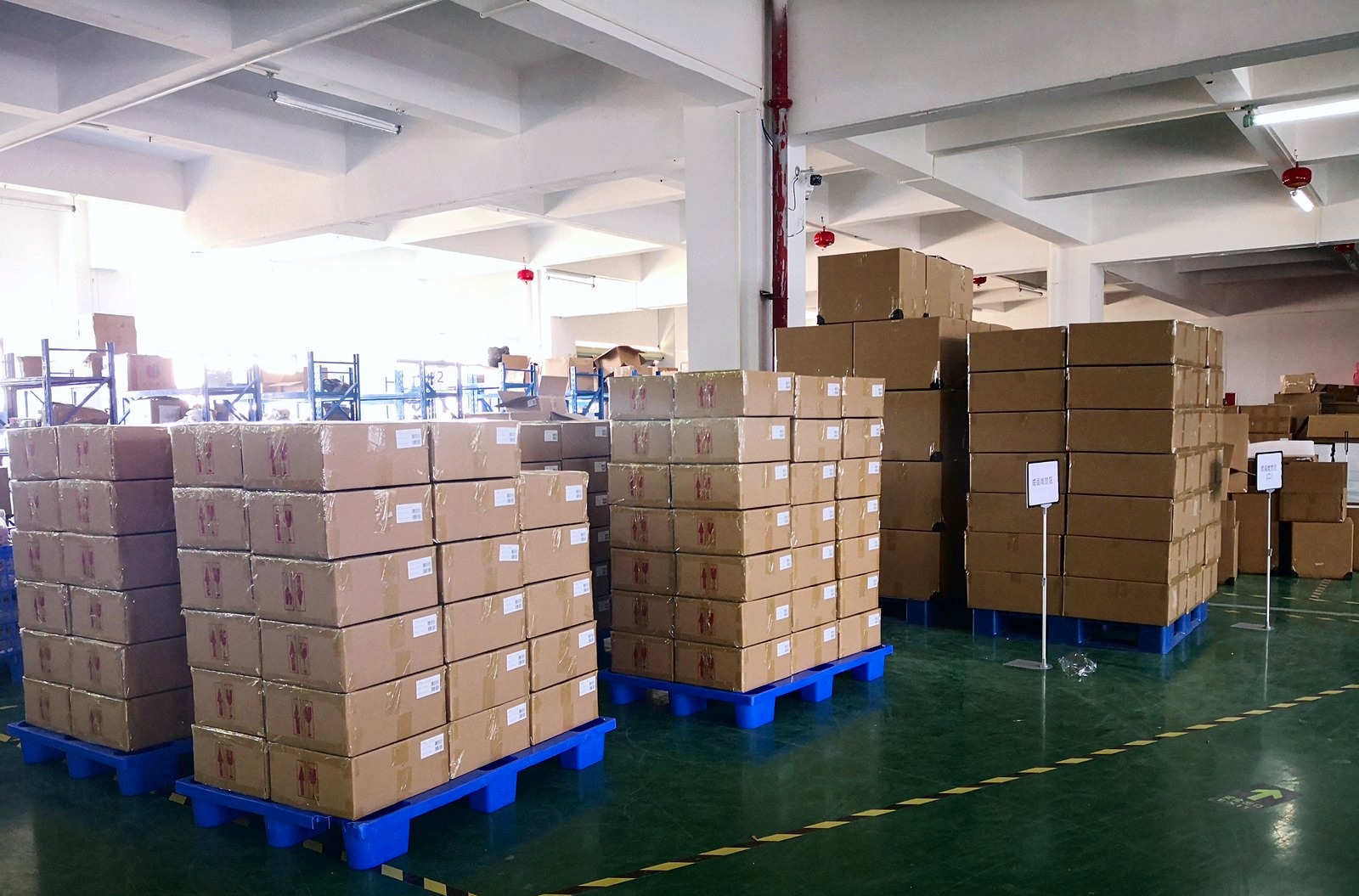
Start private label, graduate to OEM. Brands that begin with a custom mold before proving demand usually spend their launch budget on tooling instead of marketing.
Step 1 - Choose Your Product Line
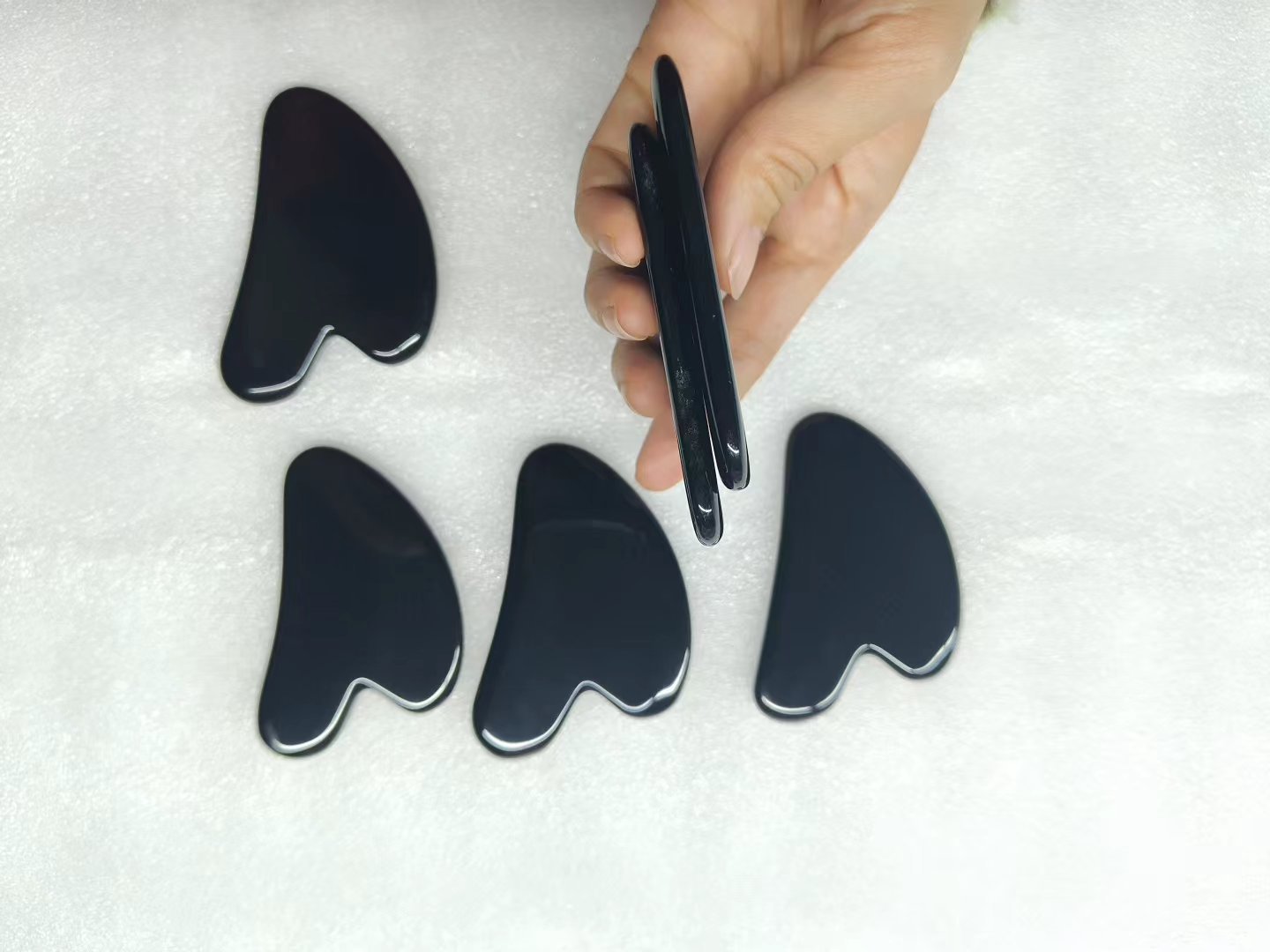
Begin with one hero tool, not a catalog. A facial gua sha in your signature material, in a shape that matches your brand's positioning, outsells a scattered assortment of five tools every time.
Hero Tool Selection
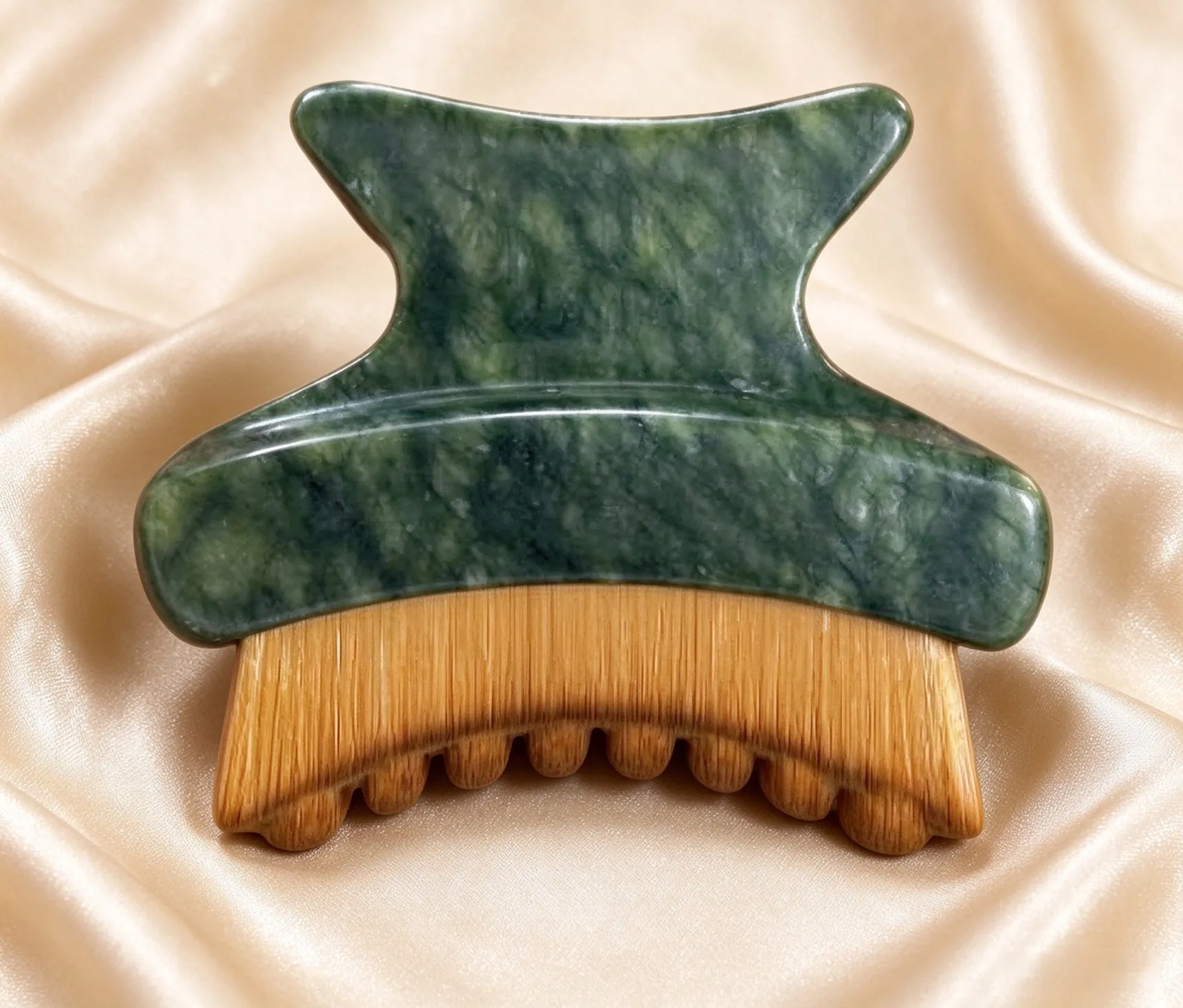
Look at what your audience already buys. Skincare-first brands usually lead with a facial gua sha or a stainless steel cryo tool; wellness brands lead with jade or rose quartz; professional channels lead with body and IASTM tools. Rose quartz is our best-selling material and the safest first bet for wellness retail.
Then Expand
Once the hero tool sells, add the adjacent item customers ask for: a lymphatic brush, a roller, or a second material at a different price point. Sets follow naturally and lift order value without new development cost.
Step 2 - Pick the Material and Price Position
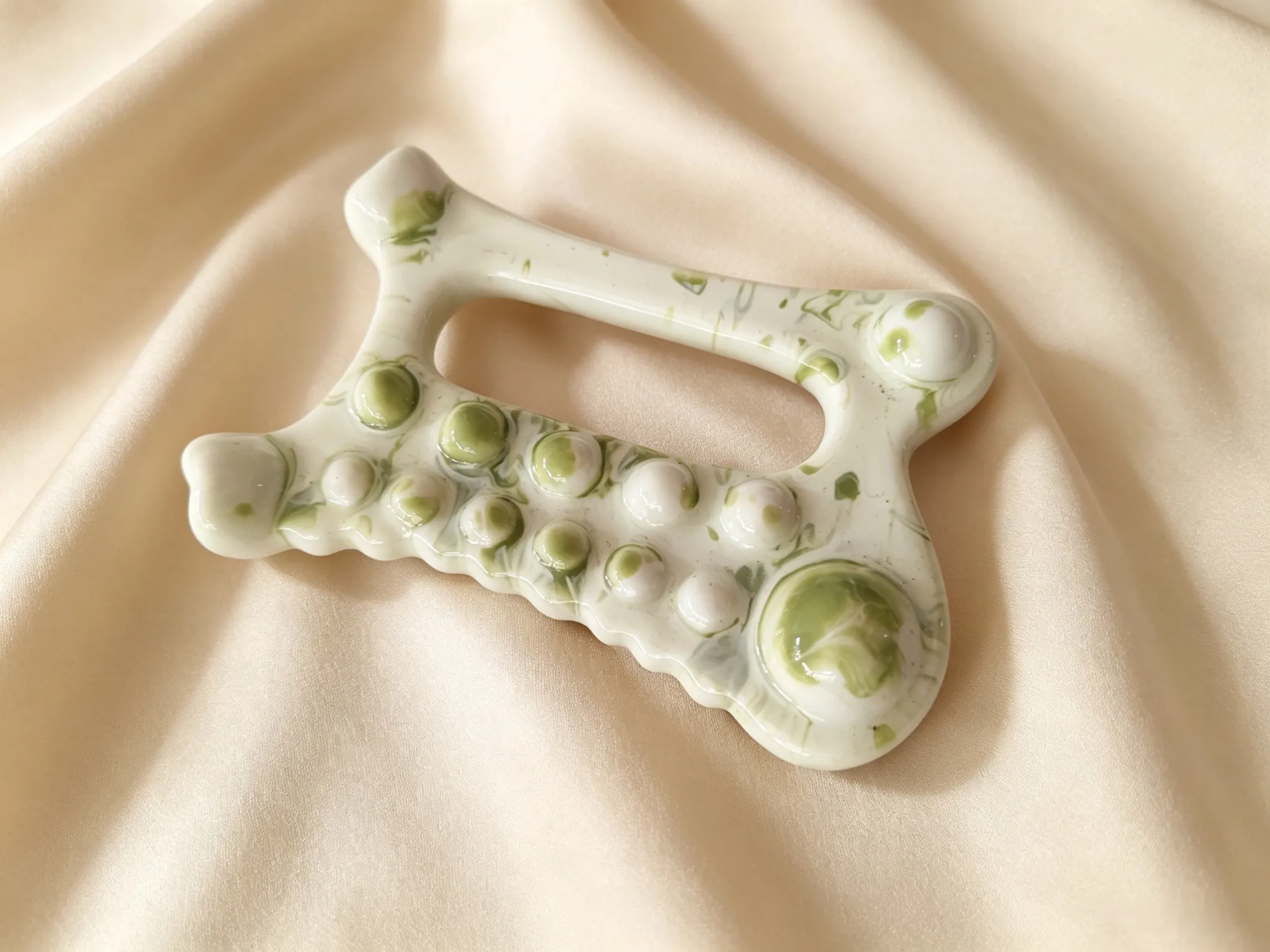
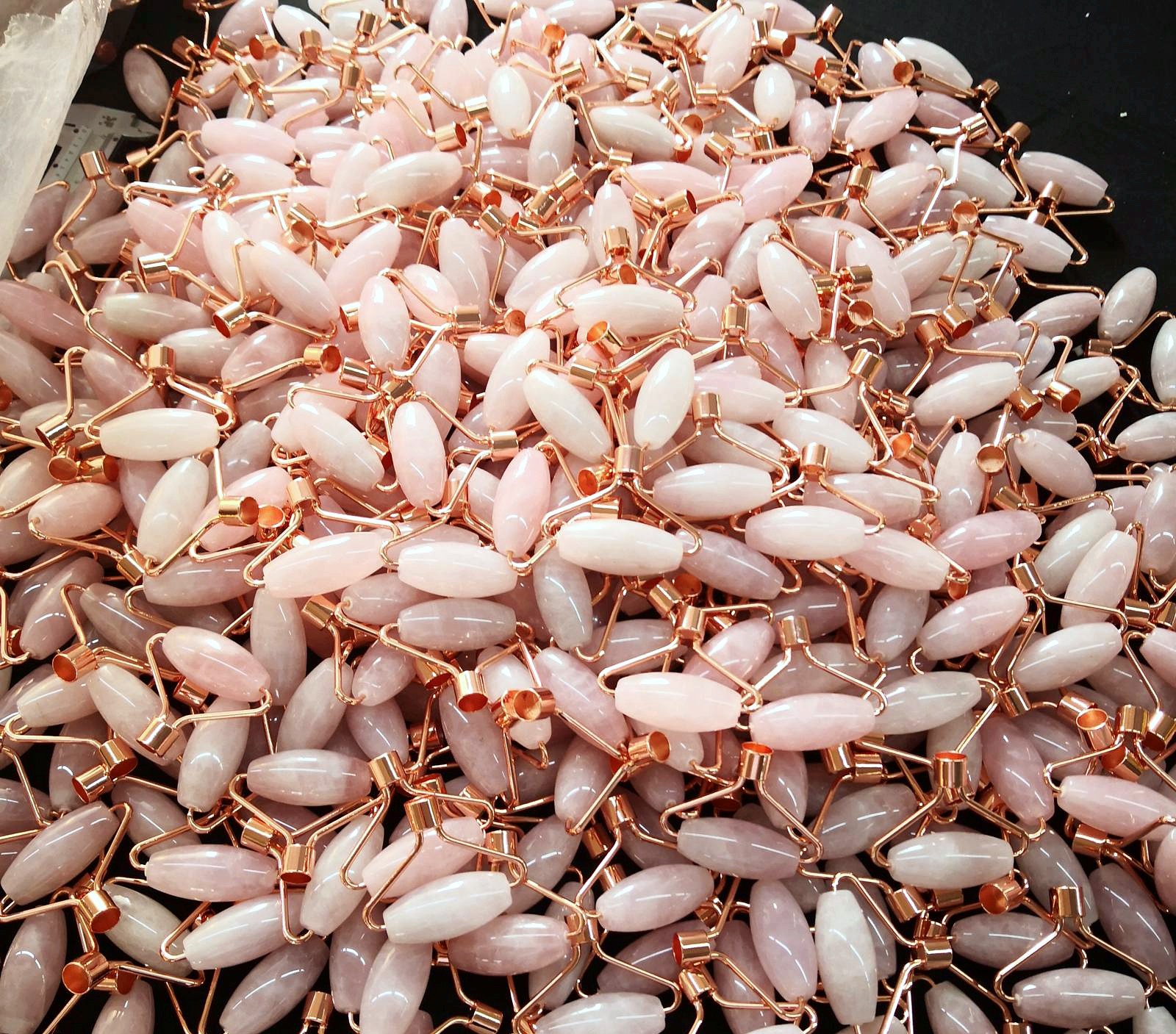
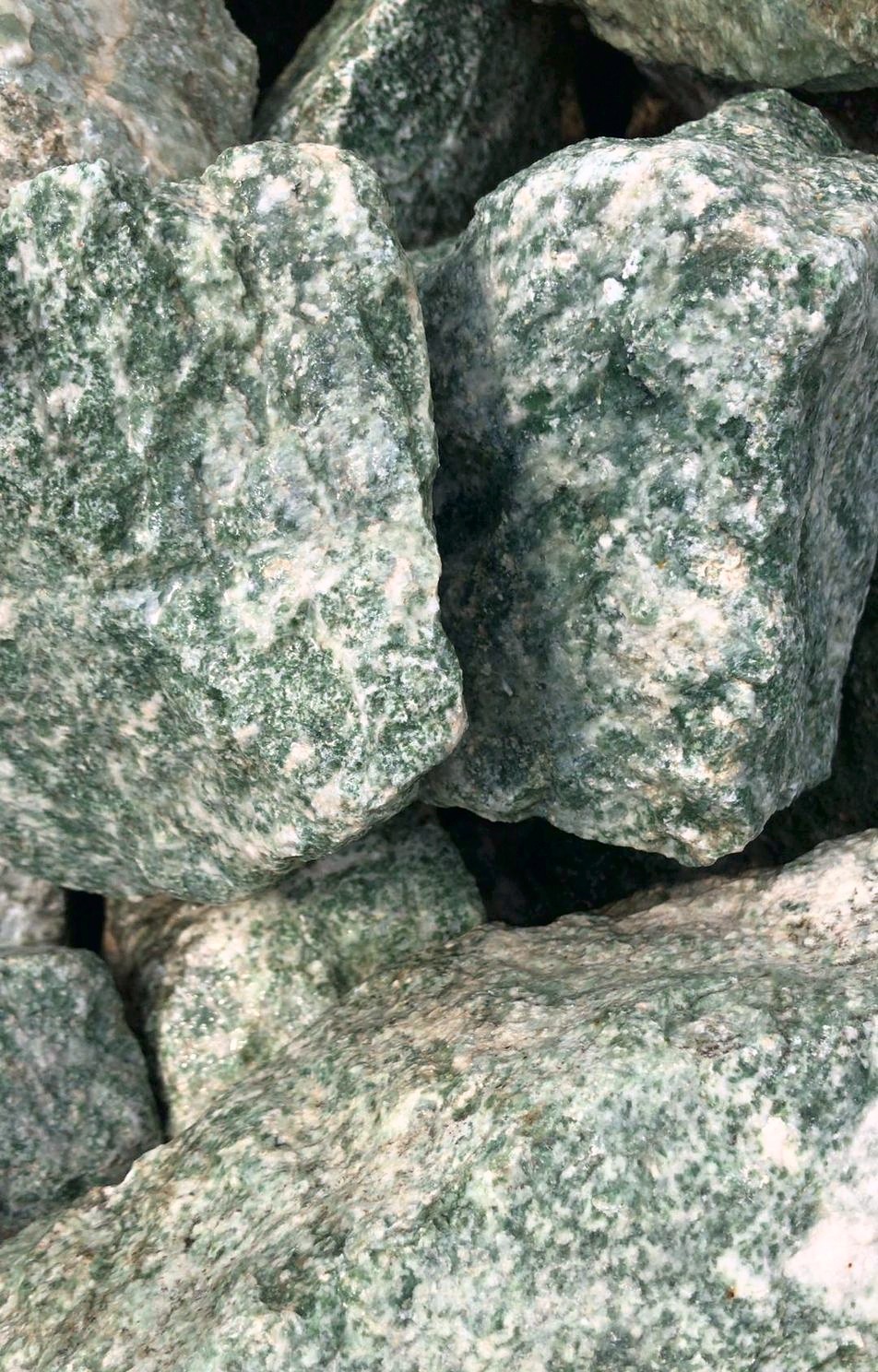
Your material decides your retail ceiling and your product claims. Steel supports hygiene, clinical and cooling claims; natural stone supports wellness and ritual claims; ceramic and terahertz support design-led premium positioning.
Match Material to Channel
Marketplace skincare buyers respond to stainless steel and cleanliness claims. Spa and wellness retail responds to jade and rose quartz. Gift and holiday channels respond to sets and packaging.
Match Material to Margin
Steel gives the widest margin headroom because unit cost is accessible and perceived value is high, and it needs only 200 pieces for laser branding on a stock shape. Natural stone sits in the middle and carries grade options that let you trade cost against consistency. Terahertz and coated steel belong at premium price points.
Choose Your Grade
If you sell stone, the grade decision is as important as the material. We grade rose quartz and white jade as A+, high A, AB and B on colour, chips, inclusions and tolerance. For overseas retail, grade A and AB suit value supermarkets while grade A suits premium supermarkets and skincare brands. For gift-with-purchase, stay at grade A or above - giveaways are where grade problems turn into complaints.
Step 3 - Apply Your Logo
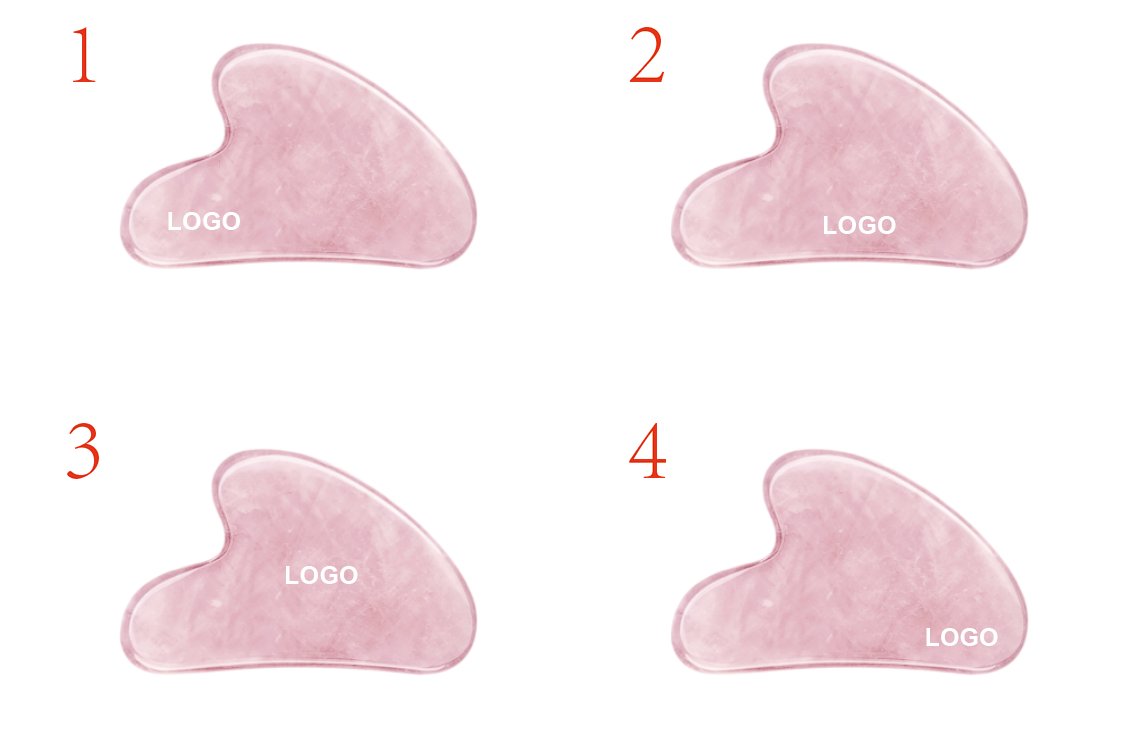
Laser engraving on stock shapes starts at 200 pieces per model, which keeps a first branded order inside a testable budget. Silk screen printing starts at 1,000 pieces and gives a flatter mark, which some brands prefer on stone.
Artwork and Placement
Send vector artwork. We return a mock-up showing placement and size, then apply the logo to a physical sample. Single-colour engraving gives the best contrast and the strongest adhesion, which is why it is our recommendation for first orders.
Packaging as Branding
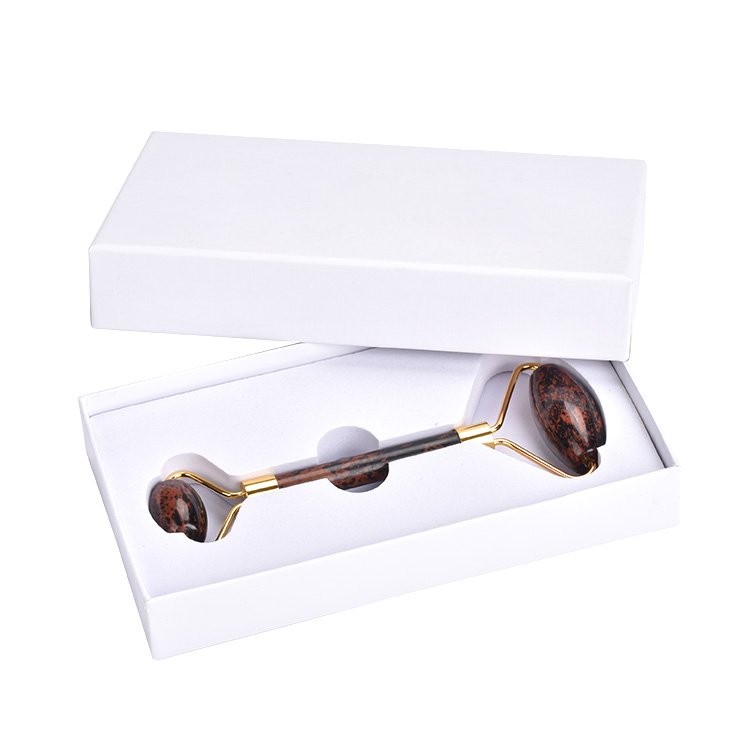
For many private label brands the box does more selling than the tool. Print the box, insert a care card, and keep the tool from moving inside - a tool rattling in an oversized box undercuts the price you just charged for it.
Step 4 - Design Retail Packaging
Packaging is confirmed with the product, not after it, because it usually has the longest lead time and it carries its own minimum quantities.
Formats and Minimums
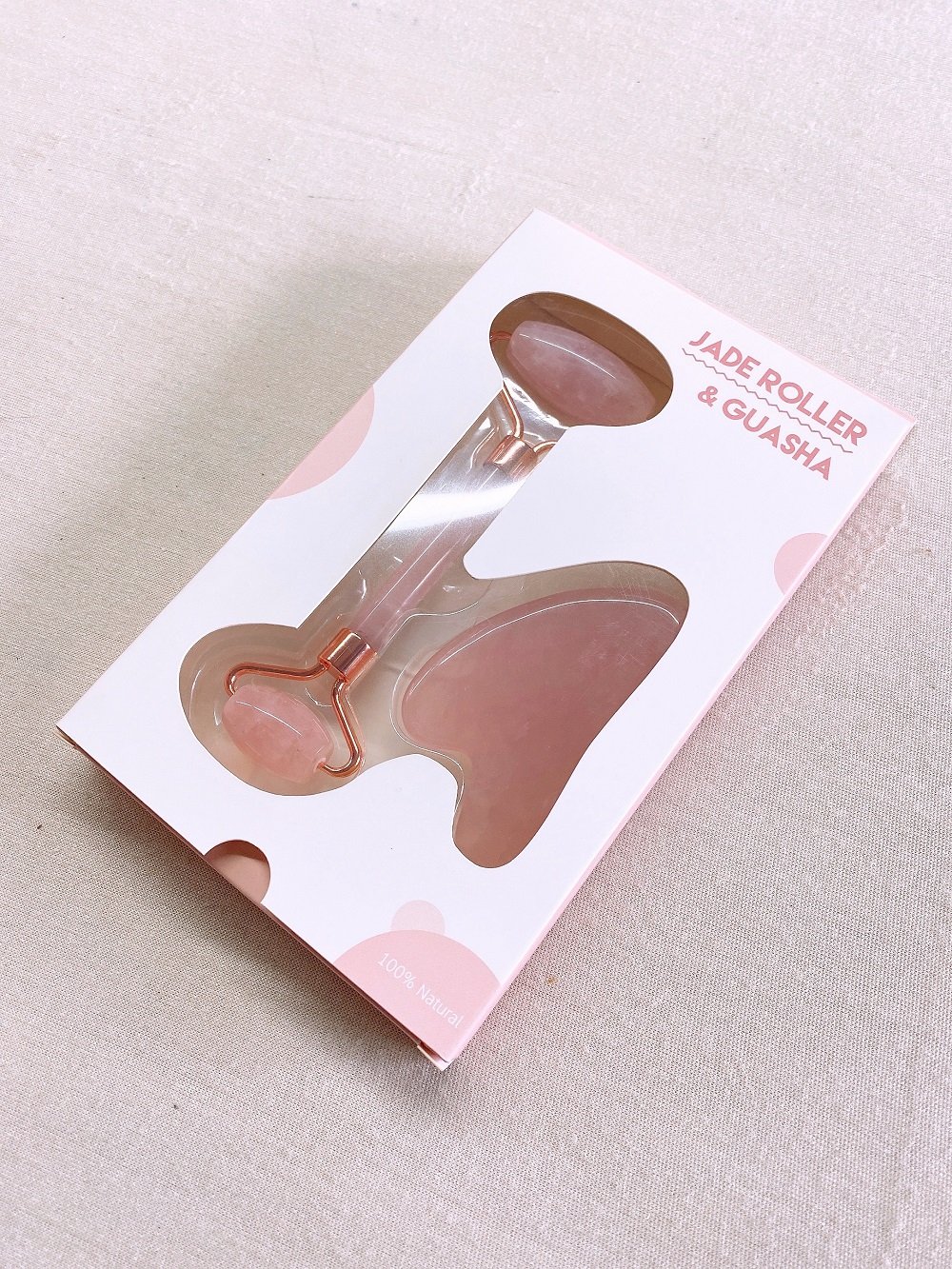
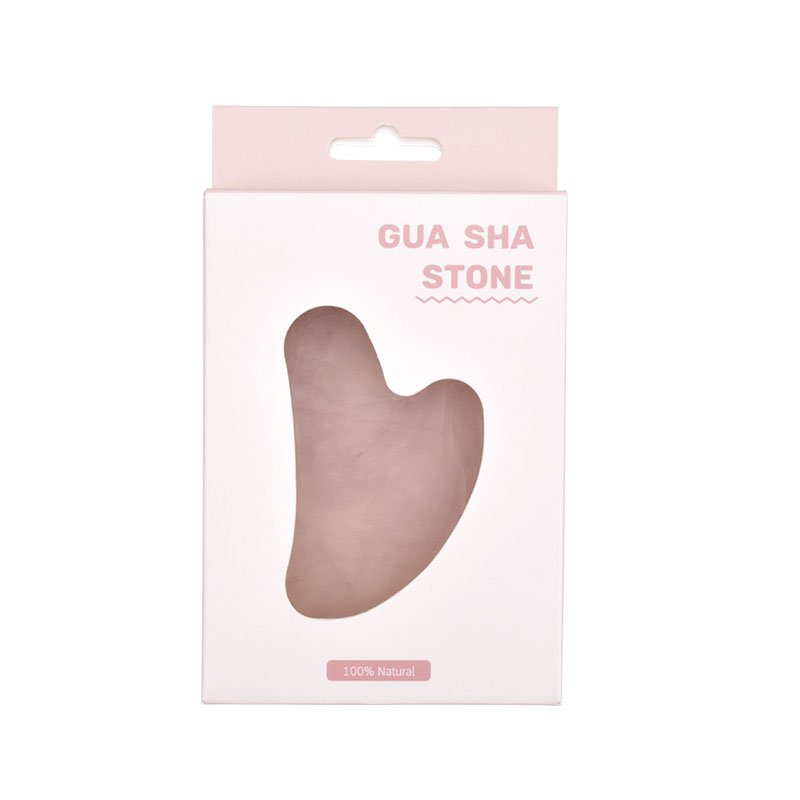
Rigid printed gift boxes, folding cartons, fabric and velvet pouches, paper sleeves, molded or foam inserts, instruction cards and branded outer cartons. Custom flip boxes start at 500 pieces, window boxes at 1,000 pieces, and cloth bags at 500 pieces. Below those minimums the tooling cost does not fall, so the unit price rises sharply.
Channel Requirements
Tell us at the quotation stage if the goods go to Amazon FBA, a distributor warehouse or your own pick-and-pack. FNSKU labeling, carton markings and inner-pack quantities are easier to plan once than to retrofit after production.
Budget Note on Packaging
Packaging is sourced through specialist suppliers rather than made in-house, so it is charged at cost and quoted separately from the tool. If you already have a box supplier, we can work with your packaging and charge only the packing labour - which is often the cheapest route for a first order.
Step 5 - Sample and Approve
Approve a physical sample on the variables that cannot change later: edge feel, weight, finish, logo legibility and how the tool sits in its packaging. That approved sample becomes the inspection reference for mass production and for every reorder, and we issue a signed limit sample for defect comparisons.
Sample turnaround depends on the process: laser engraving is fastest, silk screen takes longer, and a custom stone shape takes longest. Sample cost is quoted per project against the material and process, and is credited back at the qualifying order volume.
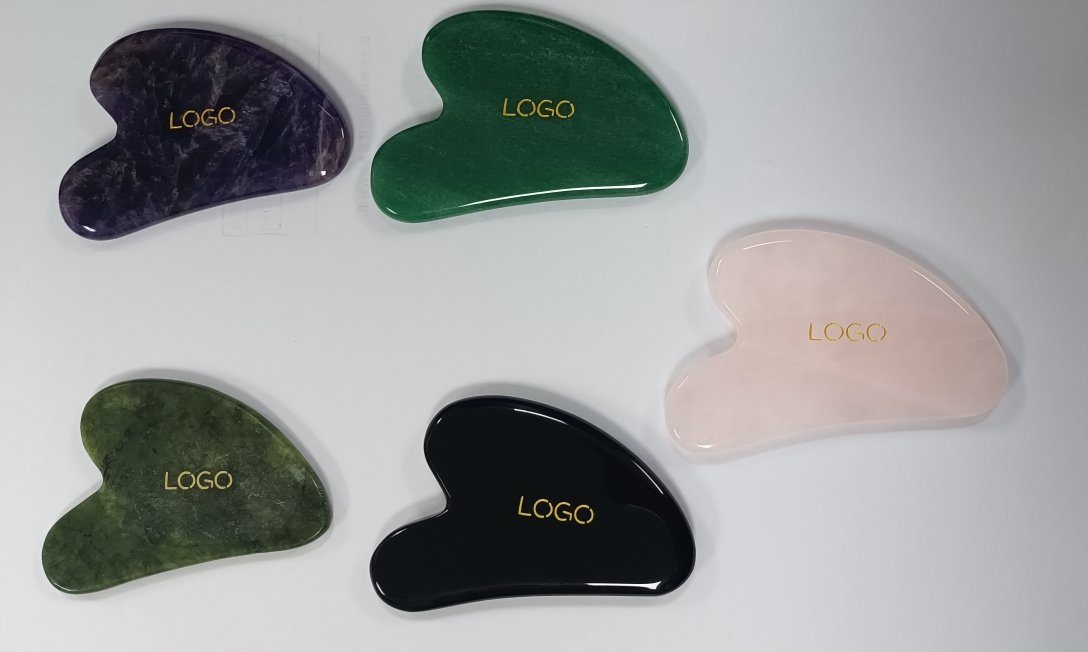
The most expensive private label mistake is discovering a problem after mass production. A physical sample is the cheapest control you have.
Step 6 - Place the Bulk Order
With the sample approved, made-to-order production starts at 25-30 days. Stock items without customization can ship in as little as 3 days. Payment terms are confirmed on the proforma invoice before production begins, with the balance due before shipment.
Minimum Order Quantity by Category
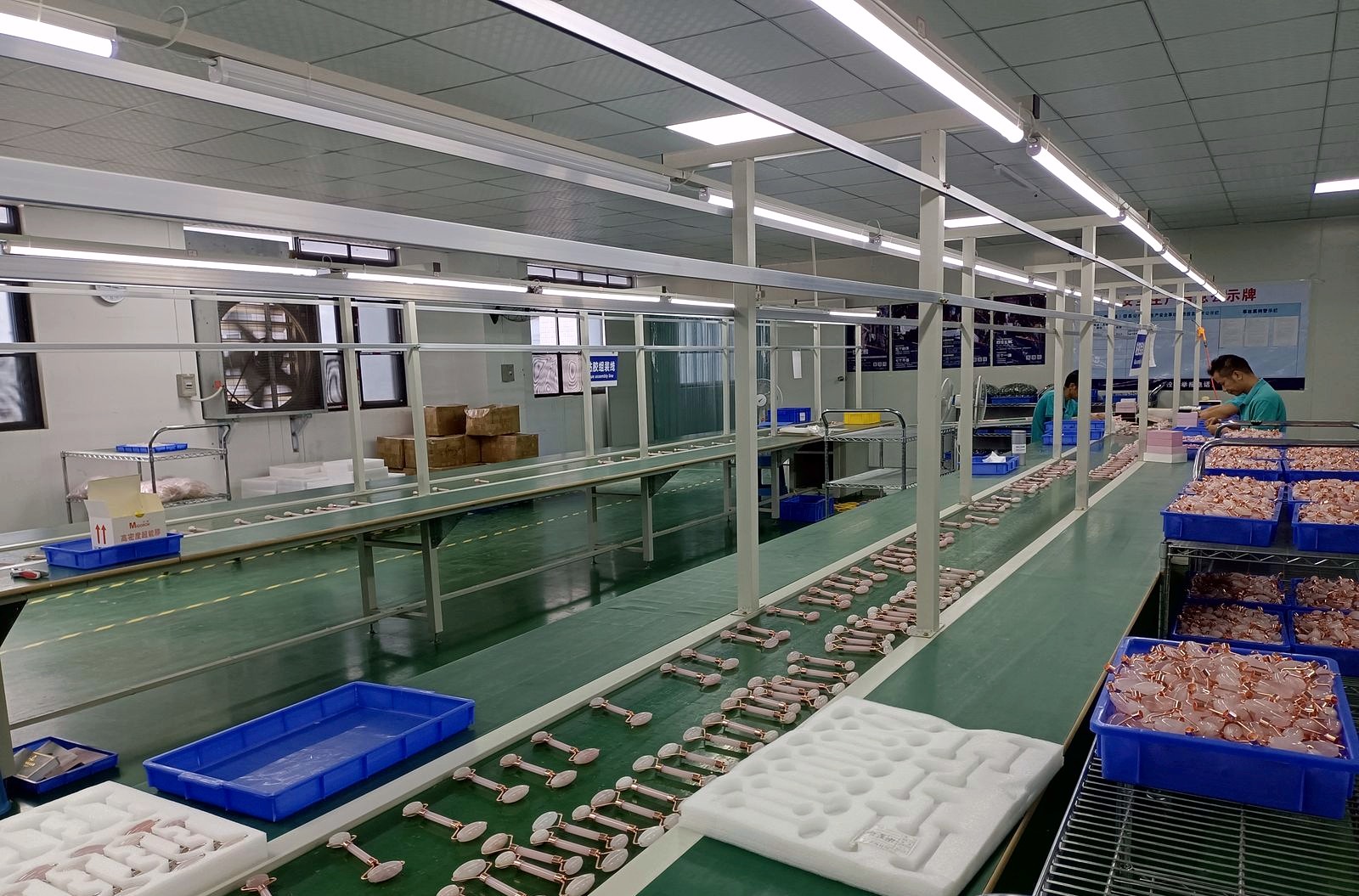
Minimums are set by material and by whether the shape is custom. Stock shapes with your laser-engraved logo start at 200 pieces per model. Custom shapes start at 100 pieces for bian stone, 500 pieces for other stone, and 1,000 pieces for stainless steel and ceramic. High-value items such as crystal eye masks start at 100 pieces.
Quality Control
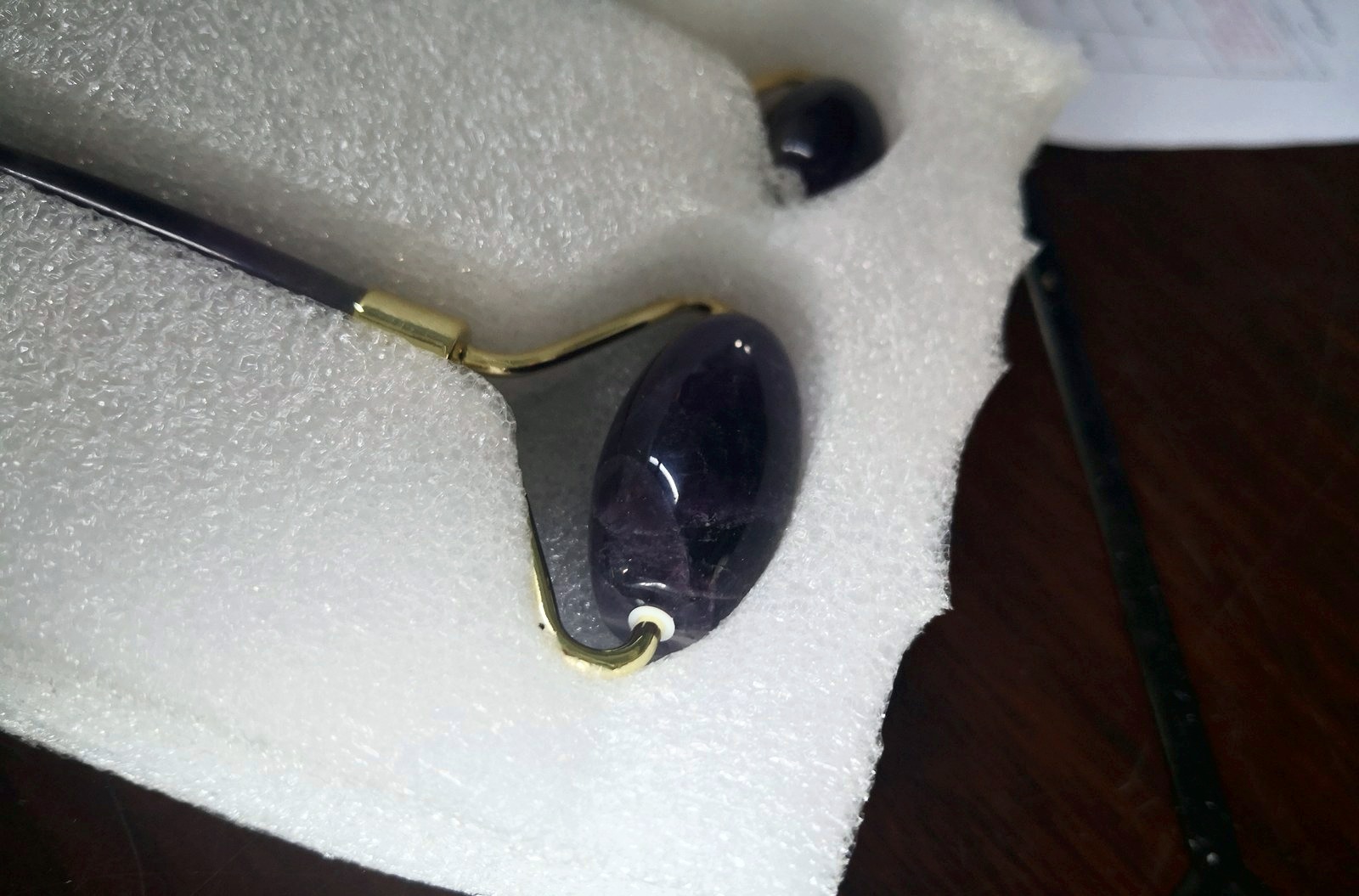
Every shipment passes three full inspections: bulk completeness, quality grading against the published standard, and a final inspection of assembled and packed goods. We send a limit sample for you to sign, so both sides inspect against the same reference. Third-party inspection can be arranged.
Shipping
Express, air and sea freight from Guangdong, with consolidation available when you order several models. Choose the freight method against your launch date, not only against the freight quote.
Step 7 - Launch Checklist
Product Page
Show scale in the hand, state the material grade, and describe how to use the tool. Buyers of gua sha tools buy instructions as much as they buy instruments.
Claims and Language
Keep claims to what the tool and your own testing support: massage, circulation and cooling feel, ritual and relaxation. Avoid medical and treatment claims unless you have the evidence and the market's regulatory permission to make them.
Care Instructions and Retail Support
Include a care card covering cleaning, drying and storage. Rinse with warm water, dry with a soft cloth, store away from sunlight and heat, and avoid alcohol on any tool carrying a logo. For spa and clinic channels, add sterilization guidance so treatment-room staff can follow it.
Reorder Planning
Made-to-order production takes 25-30 days. Place reorders against sell-through data, not against a stockout, and keep your approved sample and specification on file so the second batch matches the first.
What a Private Label Project Involves
Private label is more accessible than most first-time founders expect, but the project involves more than the tool itself. It helps to think in two groups.
Up-Front Items
Unit price at your quantity, tooling where the material requires a mold (stainless steel and ceramic, but not stone), the plate or screen fee for your logo, and packaging tooling for printed boxes or pouches. Your quotation separates these so you can see what drives the total.
Ongoing Items
Samples, freight and insurance, import duties and taxes, FNSKU or retail labeling where applicable, and photography for your product pages. Photography is the line most often forgotten and it directly determines conversion.
Ask for a landed-cost breakdown, not only an FOB unit price. Freight and duties frequently change which of two quotes is actually cheaper.
Timeline: From Inquiry to Shelf
Stages
Brief and quotation, sample development (1-20 days depending on process), sample approval, bulk production of 25-30 days for made-to-order work, inspection, shipping, and photography before listing. Packaging lead time runs in parallel with production only if it was specified early.
Where Projects Slip
Almost every delayed launch traces back to packaging decided late, artwork not supplied in vector format, or sample feedback that arrives in pieces instead of one consolidated list. Send changes in one message and the project moves on one cycle instead of three.
Who Private Label Suits
Skincare and Wellness Brands
Brands that already sell serums, oils or devices and want a tool line that matches their existing identity, launched on proven shapes with their logo and packaging.
Spa and Clinic Retail
Treatment businesses selling take-home versions of the tools their therapists use, which builds retail revenue on top of service revenue.
Marketplace Sellers and Gifting Brands
Amazon, Etsy and subscription sellers who need a differentiated branded product rather than a generic listing, plus gifting brands needing sets with premium packaging.
Frequently Asked Questions
What is private label gua sha?
You sell gua sha tools manufactured to your brand: your logo on the tool and your packaging, built on shapes we have already developed and proven in production.
How is private label different from OEM?
Private label brands an existing product. OEM develops a new shape from your drawing or reference sample, which costs more and takes longer but gives you a proprietary product.
What is the minimum order for a private label gua sha?
Stock shapes with custom laser engraving start at 200 pieces per model, so a branded first order can be genuinely small. Custom shapes start at 200 pieces for bian stone, 500 pieces for other stone, and 1,000 pieces for stainless steel and ceramic.
What does it cost to add my logo?
Adding a logo starts at 200 pieces for laser engraving on a stock shape. Silk screen starts at 1,000 pieces. Sample cost is quoted per project and credited back at the qualifying order volume. We confirm the full cost structure with your quotation rather than quoting a fixed figure that will not hold.
What materials can I choose from?
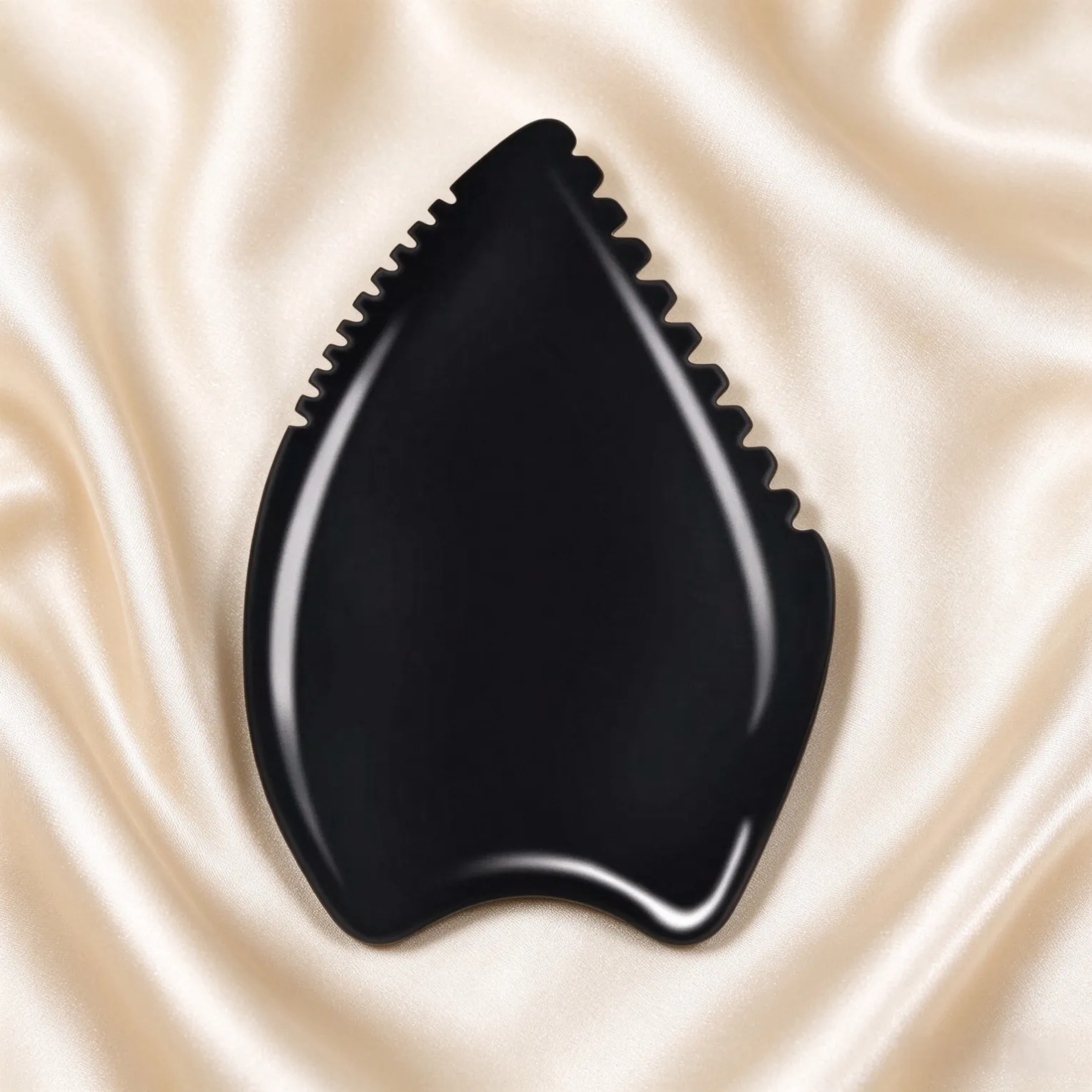
304 food grade stainless steel, 316 and 420 steel, jade, rose quartz, obsidian, red jade, blue spot jasper, bian stone, ceramic and terahertz. Rose quartz is our best-selling material.
How long does the whole process take?
Samples take 1-3 days for engraving or up to 14-20 days for a custom stone shape. Made-to-order bulk production then runs 25-30 days, and stock items can ship in as little as 3 days. Add packaging and shipping time to reach your shelf date.
Can you produce my packaging design?
Yes. Custom flip boxes start at 500 pieces, window boxes and silk screen logos at 1,000 pieces, and cloth bags at 500 pieces. Packaging is sourced through specialist suppliers and charged at cost.
Do I need to order samples?
Yes, and you should. The approved sample becomes the quality reference for bulk production and every reorder, and we supply a signed limit sample so both sides inspect against the same standard.
Can I start small and grow?
Yes. Laser engraving on stock shapes starts at 200 pieces and stock products can be ordered in trial quantities - that is how most of our brand customers started. Scale into custom shapes and printed packaging once demand is proven.
How do I choose the right stone grade?
We grade stone as A+, high A, AB and B on colour, chips, inclusions and about 2 mm tolerance. For overseas retail, grade A suits premium supermarkets and skincare brands while AB suits value channels. Stay at grade A or above for giveaways.
Will natural stone look exactly like my sample?
No, and any supplier who promises that is overselling. Colour, grain and inclusions are formed naturally, so pieces vary. What we control is the grade range and the tolerance, which is why the grade standard matters more than a photo.
Can I sell these on Amazon or other marketplaces?
Yes. Tell us the destination at the quotation stage - FBA, 3PL or your own warehouse - because FNSKU labeling and carton markings are planned before production, not after.
What certifications can I show?
Factory qualifications include ISO and BSCI. Product documentation includes patent certificates, gemstone identification reports, CE, RoHS, REACH, California Proposition 65 reports and heavy-metal testing. Ask at the quotation stage so paperwork is gathered alongside production.
What claims can I make about a gua sha tool?
Keep claims to what the tool and your testing support: facial massage, circulation and cooling feel, relaxation and ritual. Avoid medical or treatment claims unless you hold the evidence and permission to make them in your market.
How do I reorder?
Your specification, logo file and approved sample are kept on record, so reorders reproduce the same product. Made-to-order production runs 25-30 days, so plan against sell-through rather than a stockout.
Can I combine tools into one set?
Yes. Gua sha plus lymphatic brush, or steel body tool plus cryo globe, assembled under one SKU with packaging designed for both items. Sets raise average order value.
What information do I need to send to start?
Your target product and material, logo file, packaging idea, quantity, and destination market. With that we can quote unit price, MOQ and lead time accurately.
Start Your Private Label Line
Send your logo, the tool and material you have in mind, your target quantity and where the goods need to ship. We will confirm MOQ, lead time and quotation against your specification, and tell you honestly whether starting with a stock shape and laser logo would serve your launch better than a custom tool.
guashafactory@gmail.com | +86 133 3260 7156 | No. 88 Zhengkeng Street, Changan Town, Dongguan City, Guangdong, China