
Oct 16, 2026Services Overview
Gua Sha Production Capacity: How Volume Buyers Can Check It
How to check a gua sha factory's real production capacity before placing a volume order: the questions to ask, the numbers that matter, and how capacity affects your delivery date.
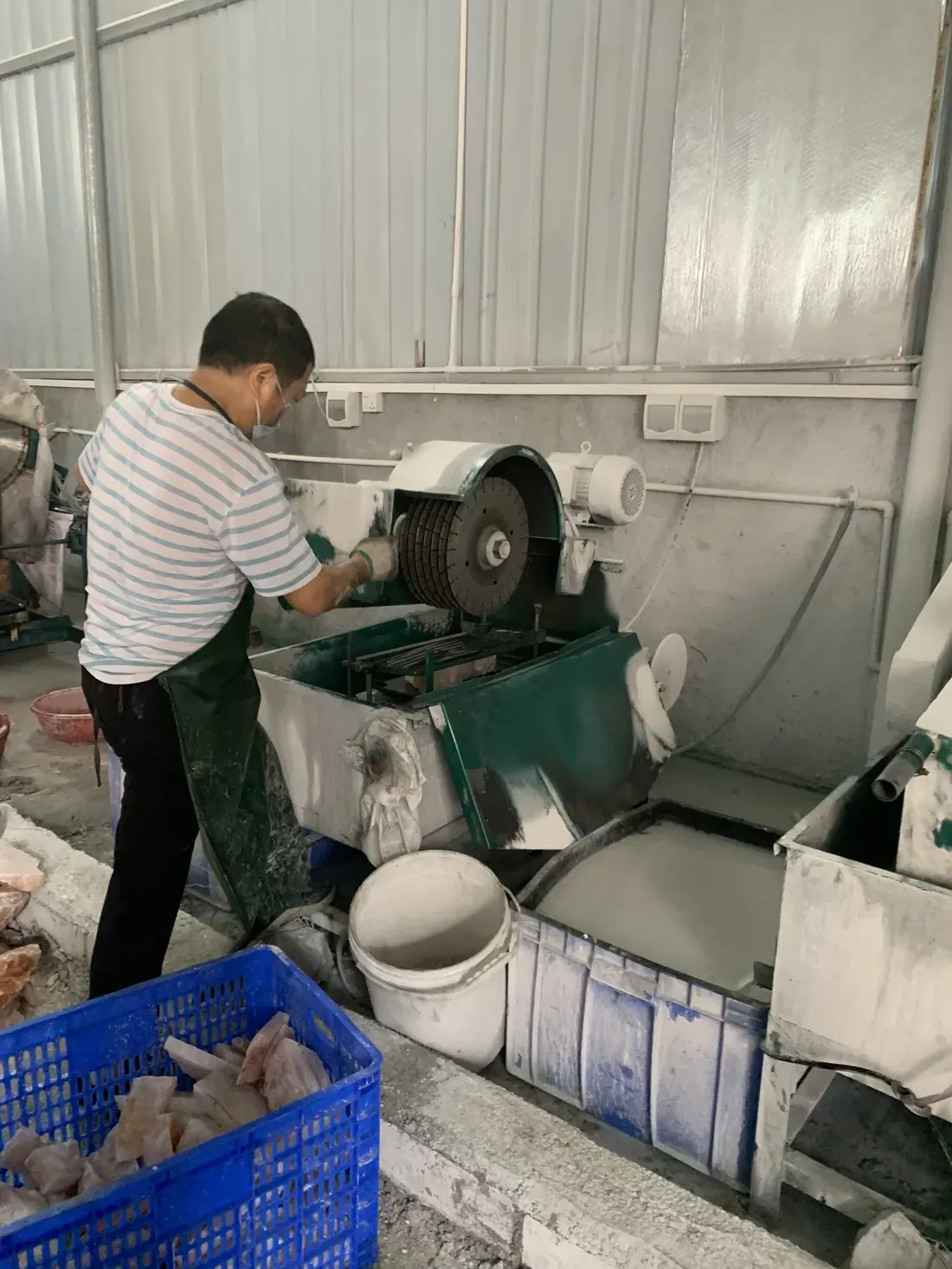
When you are planning a first container order, a national retail launch or a distributor programme, the question that decides the schedule is not price - it is capacity. Can the factory actually produce your volume in the window you need, without pushing your delivery date or quietly subcontracting your order? This is how to check capacity before you commit.
What "Capacity" Actually Means
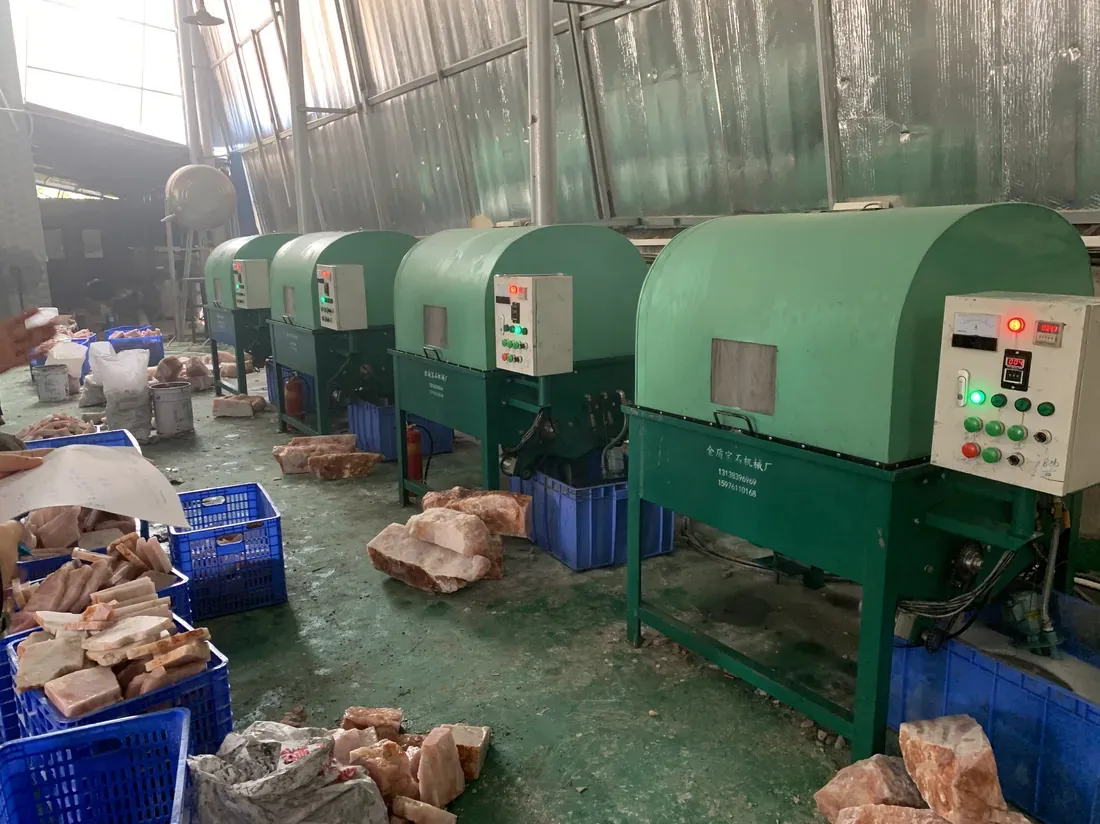
Production capacity is not one number. A factory that makes 100,000 pieces a month across all materials cannot necessarily make your 10,000 stainless steel pieces next month, because capacity is split by material line, by process step and by what is already booked. The honest conversation covers three things:
- Throughput per line - how many pieces per day a given material line can move through shaping, polishing and marking.
- Current load - what is already scheduled in your target window. A factory at 90% booked takes your order differently than one at 40%.
- Bottleneck step - in most gua sha production it is polishing and marking, not cutting. Ask which step limits the schedule.
The Questions to Ask
- What is your monthly output for this material and product type - and for this specific process combination?
- What is on the production calendar in the month my order would run?
- Which steps happen in-house, and is any step subcontracted (and to whom)?
- If I double the order, does the lead time change - by how much?
- How many orders like mine can run in parallel without delaying any of them?
A factory that answers these with numbers and a calendar is a factory you can plan a launch around. A factory that answers "no problem, we can do any quantity" is telling you it has not checked.
How Capacity Shows Up in Your Delivery Date
Two orders of the same size can have different lead times depending on when they land in the production calendar and whether they compete with a peak season. Practical implications:
- Off-peak windows run faster. If your launch date is flexible, ask when the quietest production window is.
- Big orders can be split across windows. A 20,000-piece programme can be delivered in two or three scheduled batches rather than one long block.
- Seasonal peaks are real. Order for Q4 launches should be placed well before the autumn production peak.
Capacity Checks for Volume Buyers
A short capacity audit before you commit:
- Ask for the process flow of a recent order similar to yours - stages, days per stage, total.
- Ask for your production window in writing: start date, stage dates, completion date.
- Ask what happens if a stage slips - how is the schedule recovered?
- Ask whether your order is planned in one block or parallel with others; if parallel, how the line is shared.
- Verify the first milestone: photos when your order leaves cutting, and at marking.
Expanding Capacity for Programme Buyers
Buyers on a repeat programme usually do not need to know the total factory floor - they need to know their own line will be available each cycle. That becomes part of the programme agreement: a delivery calendar with production slots reserved before each cycle starts, so a repeat order does not queue behind new business.
This is also the honest answer to "can you handle my growth?": it is not a yes or no, it is a schedule. We plan capacity with programme buyers per cycle, and confirm each order against the calendar before it is placed.
Capacity FAQ
How do I know the factory is not overloaded? Ask for your production window in writing with stage dates, and ask what else is running in the same window. An overloaded factory either gives you a later date or hedges - both are visible if you ask directly.
Can you handle a sudden large order? Tell us the quantity and the window. If the calendar allows, the order is quoted with a committed schedule; if it does not, you will hear that immediately with the earliest realistic date - that answer protects your launch.
What is the largest order you can take? Capacity depends on the material and process mix. Programmes at container scale are planned per cycle with reserved production windows. Share your annual volume expectation and the schedule is built around it.
Plan Your Order Window
Send your product, quantity and target delivery date through the inquiry form or WhatsApp. Alison Gua Sha Factory plans production windows per order and per programme cycle - stone, stainless steel, ceramic and wood lines with inspection at defined stages, three inspections per shipment, and a signed limit sample governing every batch.