Oct 16, 2026Services Overview
Inside a Gua Sha Factory: Production Stages and Quality Gates
What happens inside a gua sha factory: cutting, shaping, polishing, inspection and packing - the quality gates each stage passes, and what volume buyers should verify.
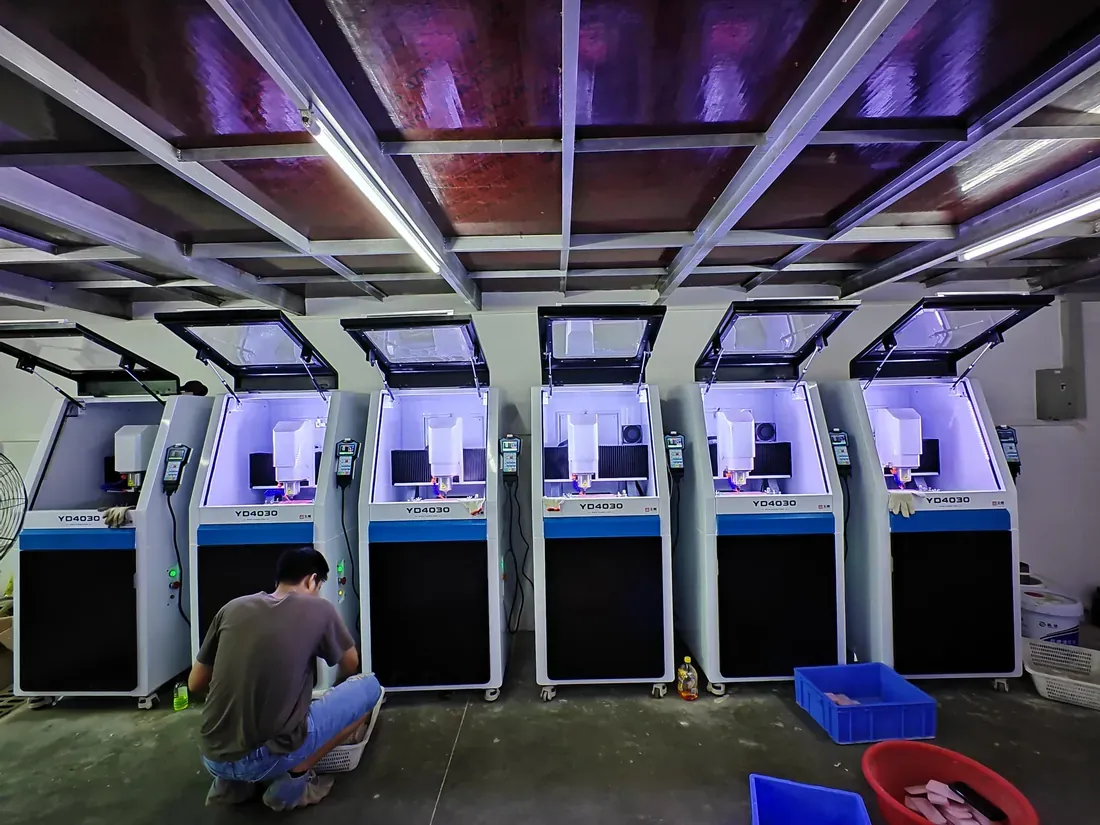
A gua sha tool passes through five production stages before it is packed, and each stage has its own quality gate. Knowing the sequence matters to volume buyers for two reasons: it tells you what to ask about on a factory visit or audit, and it explains where variation actually comes from when something is not right in a batch.
Stage 1: Material Selection and Cutting
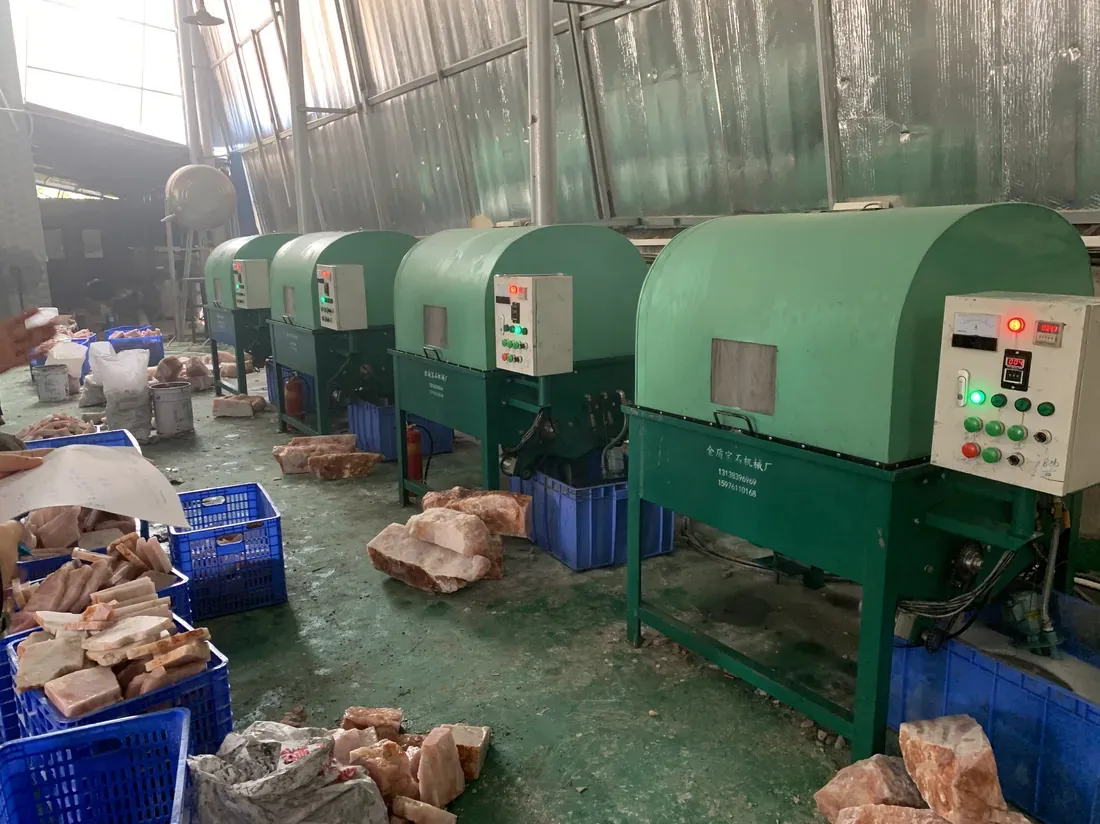
Stone arrives as raw blocks or slabs; stainless steel arrives as sheet or bar stock. The first operation cuts the blanks that will become each tool. For stone this is where batch character is set - the block chosen for your order defines the colour and grain range the batch will have.
- Quality gate: raw material checked against the approved sample reference before cutting starts.
- What buyers should verify: that the supplier can tell you which block or steel batch your order came from.
Stage 2: Shaping and Profiling
Blanks are cut or ground to the final silhouette. Stock shapes run against existing tooling, so every piece follows the same path. Custom shapes run against the new mould or cutter guide cut for the project, which is why custom tooling has to be approved on a sample before production.
- Quality gate: silhouette and dimensions checked against the drawing or reference - overall length, width, thickness, curve.
- What buyers should verify: that a custom shape was approved as a physical sample before the batch ran, and that dimensional tolerance is written down, not assumed.
Stage 3: Grinding, Edge Work and Polishing
This is the stage that decides how the tool feels on skin. Edges are radiused to a comfortable angle and any burrs from cutting are removed, then the surface is taken through the polish or finish specified - mirror, satin, matte, or a coated colour. Polishing is also where the largest share of per-piece labour sits.
- Quality gate: edge radius and burr inspection per batch, surface uniformity, finish match to the approved sample.
- What buyers should verify: that edge and burr checks are a recorded step, not a visual glance. This is the defect buyers most often discover in their own customers' hands.
Stage 4: Marking (Logo, Print or Mould)
Your logo is applied here: laser engraving on stock shapes, silk-screen printing on flat surfaces, or a moulded mark for fully custom tools. Depth, contrast and placement are set now - and once set, they become part of the specification every repeat order is held to.
- Quality gate: engraving depth and placement against the approved artwork sample; print coverage and cure on printed marks.
- What buyers should verify: that a marked sample was approved - the sample is what the third order will be checked against, long after everyone remembers the conversation.
Stage 5: Final Inspection, Packing and Documents
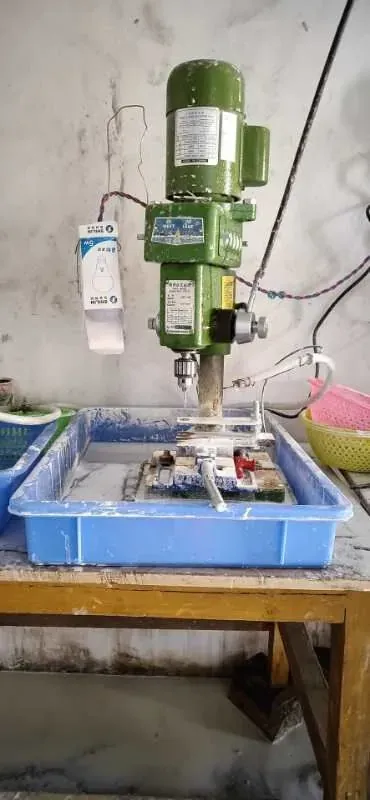
Finished pieces pass the final inspection against the signed limit sample: surface, edges, marking, dimensions. Passing pieces are then packed - inner packaging per your specification, export cartons to survive freight - and the shipment travels with its document set.
- Quality gate: final inspection per shipment, with the limit sample as the reference; carton, weight and label check against the packing list.
- What buyers should verify: what the final inspection actually covers and who signs it. "Three inspections per shipment" should map to named stages like these, not a vague promise.
Where Batch Variation Actually Comes From
- Stone: the block. Different blocks carry different colour and grain. Handled by holding the approved sample and keeping the specification on file.
- Steel and ceramic: the tooling and finish step. Same mould, same process, minimal variation - which is why steel scales cleanly for chains and distributors.
- Marking: depth or contrast drift when the artwork or the fixture changes. Handled by checking every batch against the marked sample.
- Packing: the item most likely to be quietly changed. Specify it in writing and check the first cartons.
Factory Audit Questions That Get Real Answers
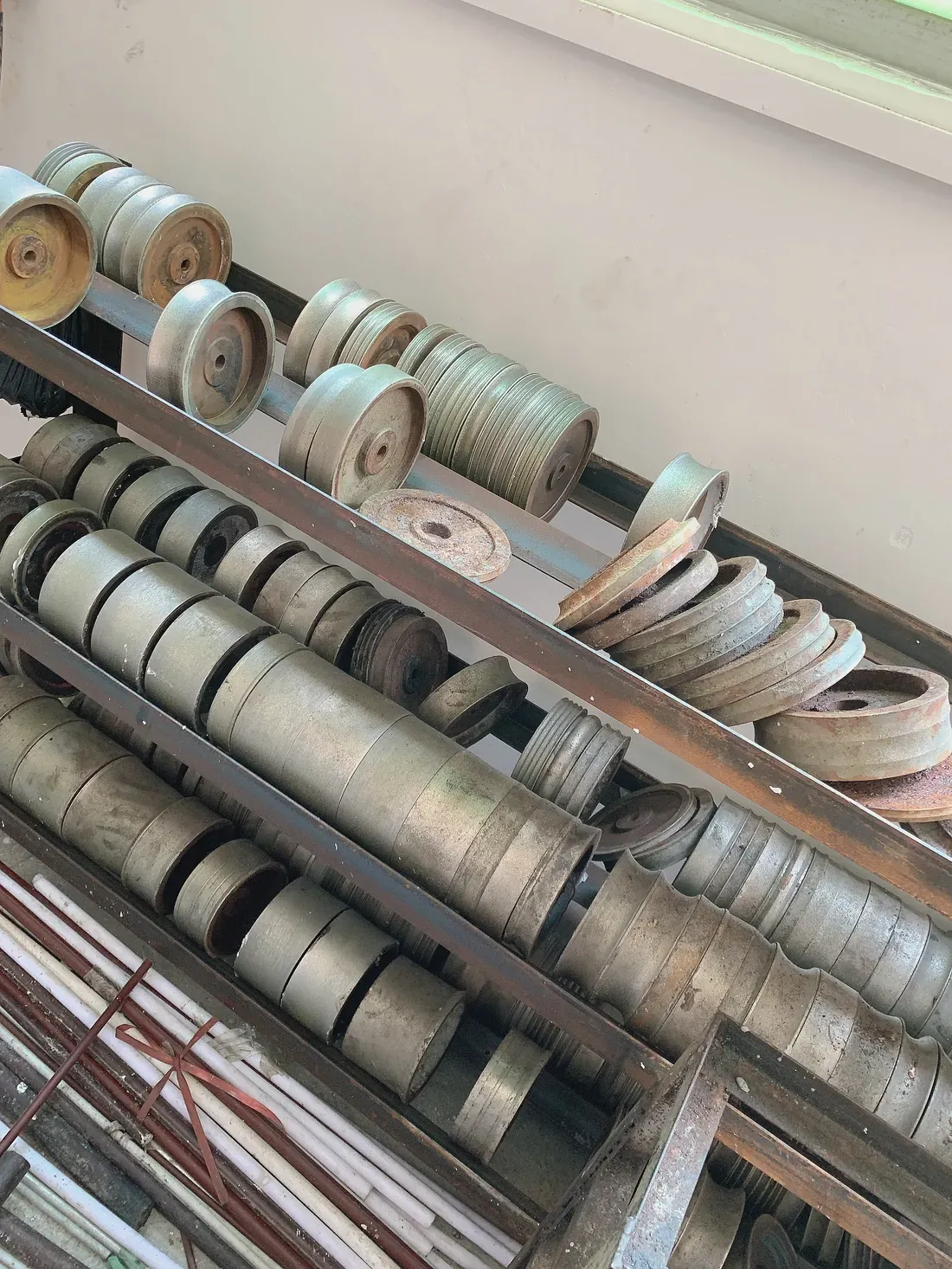
- Which stages happen in-house, and which are subcontracted?
- Show me the inspection records from the last shipment of a product like mine.
- What is the dimensional tolerance on this shape, written down?
- How is a defective piece handled - reworked, replaced, or shipped?
- What do you keep on file between orders, so a repeat runs identically?
A factory answers these with specifics and examples. If the answers stay general, the audit did its job too.
Production FAQ
How long does production take? Stock shapes with a laser-engraved logo typically run 25-30 days after artwork approval; unbranded stock can ship in as little as 3 days. Programme orders run against the agreed delivery calendar.
Can I see my order during production? Yes - sample-stage photos and inspection-stage photos are routine. Ask at order stage for photos at the stages that matter to you, typically after marking and at final inspection.
What is a limit sample? A physical piece from your approved production that both sides sign and keep. Every batch is inspected against it, which is what turns "natural variation" or "finish difference" into an objective standard.
See the Process for Yourself
Send your product and questions through the inquiry form or WhatsApp, and ask for the process detail behind any quote. Alison Gua Sha Factory runs stone, stainless steel, ceramic and wood production with inspection at defined stages, three inspections per shipment, and a signed limit sample governing every batch.