Oct 16, 2026Services Overview
OEM vs ODM Gua Sha Manufacturing: Which Model Fits Your Brand
OEM and ODM explained for gua sha brands: what each model means for your product line, where tooling and design ownership sit, and how to choose for your stage.
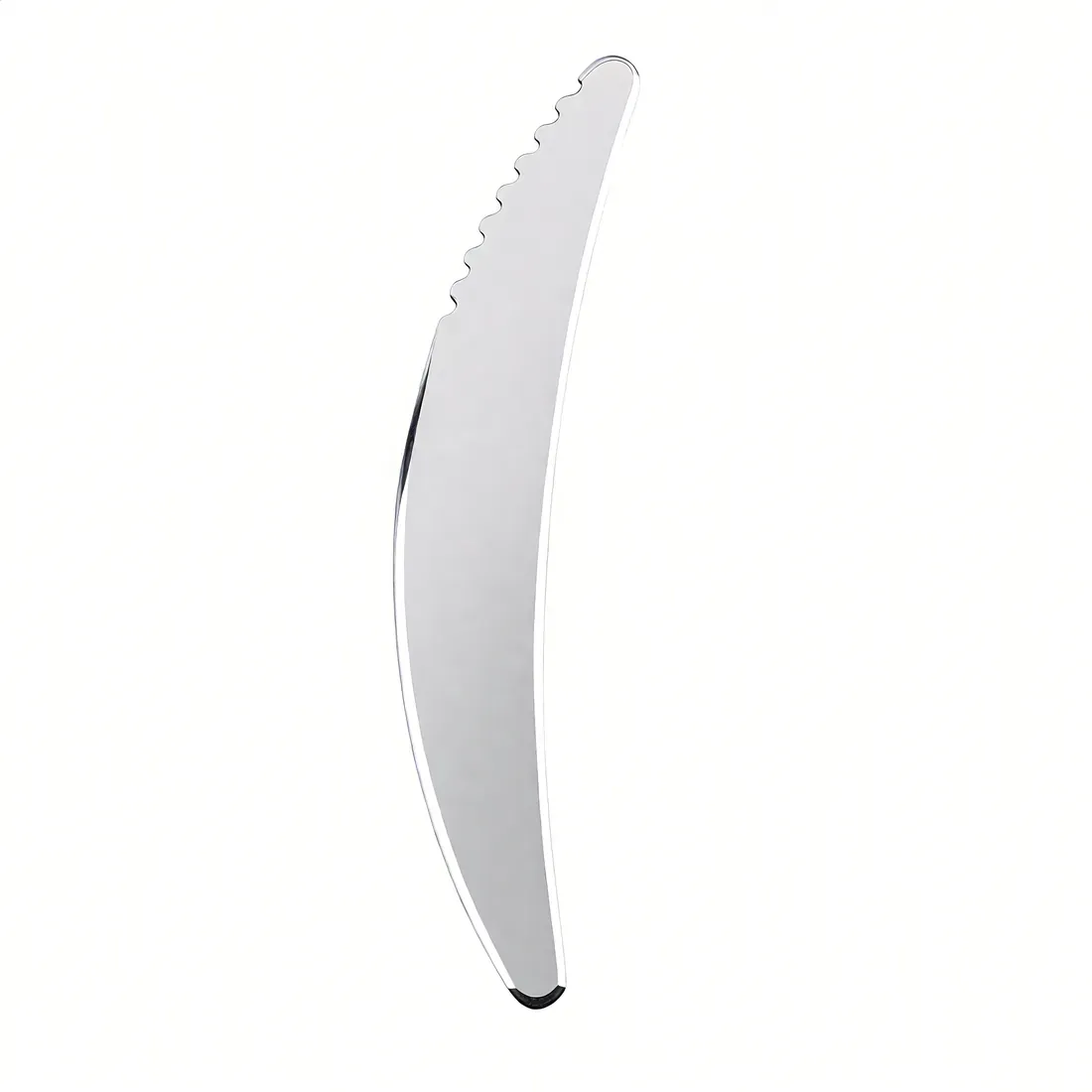
When a beauty brand starts talking to a gua sha factory, one of the first forks in the road is OEM or ODM. The two models differ in where the design comes from and who pays to create it - and choosing wrongly means paying for tooling you did not need, or launching a product that looks like everyone else's. Here is the practical difference, and how to choose.
The Two Models, Plainly
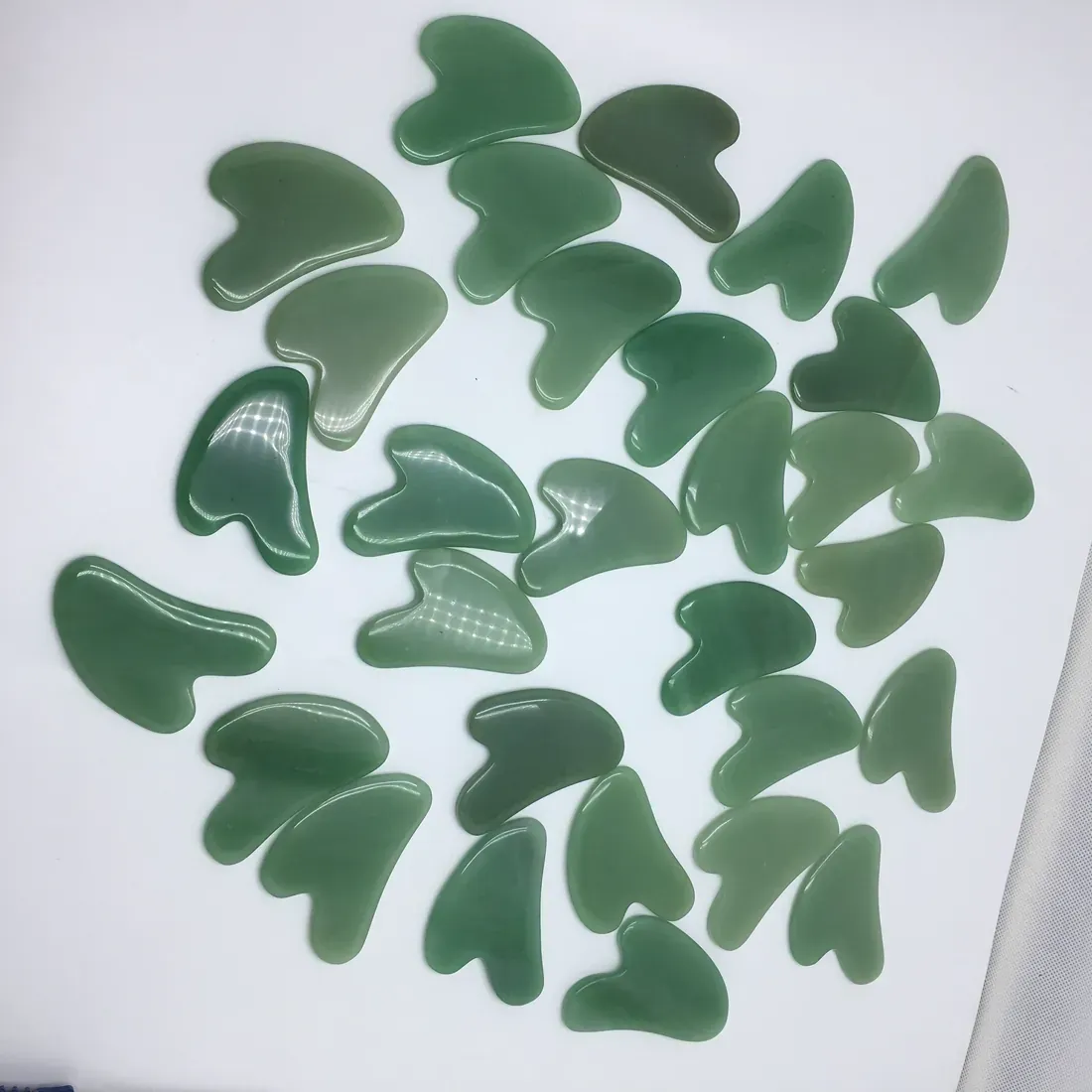
ODM (Original Design Manufacturing) means you choose from an existing product library. The shapes, sizes and tooling already exist, and you customise on top: your logo, your packaging, your material colourway. You are buying from a large shape library rather than commissioning a new design.
OEM (Original Equipment Manufacturing) means the product is built to your design. You bring the shape - a dimensioned drawing, CAD file or physical sample - and the factory cuts the mould and produces your first batch. The design and the tooling become the project.
What Each Model Costs You
- ODM carries no tooling cost and starts at 200 pieces per model for a stock shape with a laser-engraved logo. You are ready to launch as soon as artwork and packaging are approved.
- OEM carries a mould cost and a higher minimum - custom shapes by material: bian stone from 200 pieces, other stone from 500, stainless steel and ceramic from 1,000 with the mould confirmed against the specification.
- The trade: ODM gets you to market faster and cheaper but other brands can be selling from the same shape library; OEM gives exclusivity on the shape in exchange for time and tooling investment.
How to Choose by Stage
The answer usually depends on what you already have and how far along the brand is:
- No product line yet, first launch: start ODM. Pick two or three shapes from the library, apply your logo and packaging, and validate the market before paying for tooling.
- Trading well on stock shapes, want to stand out: move to OEM on one hero product. Tool the shape that becomes your signature - keep the rest of the line on stock shapes.
- Established brand extending a line: OEM for the shapes that carry your identity, ODM for supporting tools (rollers, combs, sets) where speed and consistency matter more.
- Distributor building a range: ODM across the board, with packaging differentiation rather than shape exclusivity.
What OEM Requires You to Bring
A custom shape needs technical input before it can be tooled: a CAD file or a dimensioned drawing showing overall length, width, thickness, edge radius and critical angles - or a physical sample to measure. A sketch or a rendering shows appearance but carries no technical parameters, so there is nothing to cut to and no tolerance to state. If your design exists only as an image, we can help turn it into a dimensioned drawing first.
Who Owns What
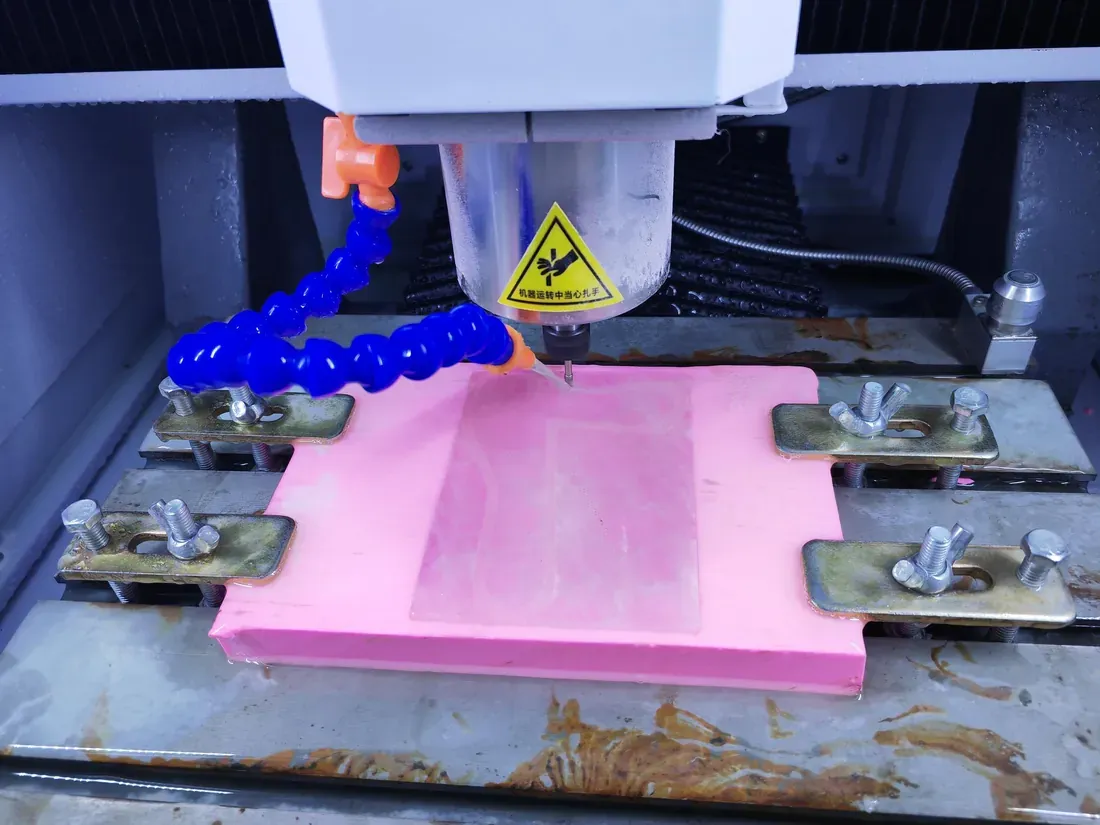
Under ODM, the tooling and base design remain in the factory library, and your exclusivity is usually in your branding and packaging. Under OEM, the custom tooling is made for your brand; discuss exclusivity terms at the point of ordering the mould so both sides are clear. Either way, your artwork, your logo files and your packaging design stay yours.
Mixing the Models
Most successful brands we work with run a mix: OEM for the one or two shapes that define the brand, ODM stock shapes for the broader line and the fast movers. That keeps the tooling investment focused where it earns exclusivity, and keeps the rest of the line fast and consistent.
OEM / ODM FAQ
Can I start ODM and move to OEM later? Yes, and it is the recommended path - validate the market on stock shapes, then tool a custom shape for the product that performed. The signed limit sample and approved specification carry over.
Does OEM mean I have to order huge quantities? The minimum follows the material: custom bian stone shapes start at 200 pieces; other stone at 500; stainless steel and ceramic at 1,000 with a mould. The exact figure is confirmed against your specification.
What do you need from me to start an OEM project? A CAD file or dimensioned drawing, or a physical sample to measure. Plus your logo file and packaging requirements if the first order should be branded.
Who owns the mould for a custom shape? Tooling is quoted per project and ownership/exclusivity is agreed at order stage. We confirm the terms in writing before the mould is cut so there is no ambiguity later.
Talk Through Your Options
Tell us where your brand is and what you want to sell - we will say plainly which model fits, what it costs in time and tooling, and what the minimum looks like. Reach us through the inquiry form or WhatsApp. Alison Gua Sha Factory runs OEM and ODM production across stone, stainless steel, ceramic and wood, with three inspections per shipment and a signed limit sample governing every batch.