Services Overview
Natural Stone Gua Sha Grades: What Do A, B and AAA Really Mean?
If you have sourced natural stone products, you may have seen terms such as A, B and AAA.
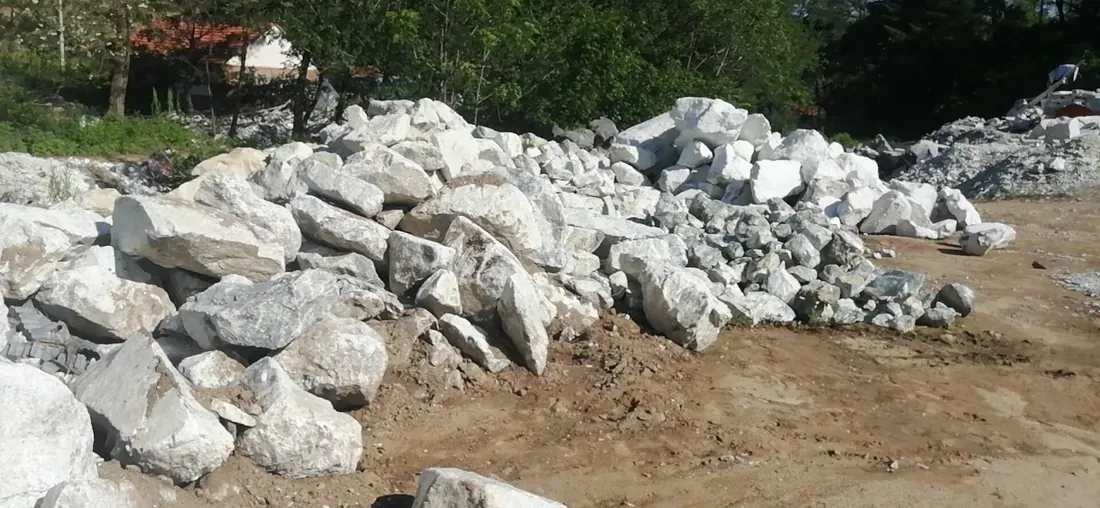
If you have sourced natural stone products, you may have seen terms such as A, B and AAA.
But buyers should be careful when interpreting these labels.
There Is No Universal Grading System
Stone grading terminology can vary between suppliers.
One supplier's “AAA” may not be directly comparable with another supplier's “AAA.”
Therefore, do not buy based on the grade name alone.
What Should You Actually Check?
Look at:
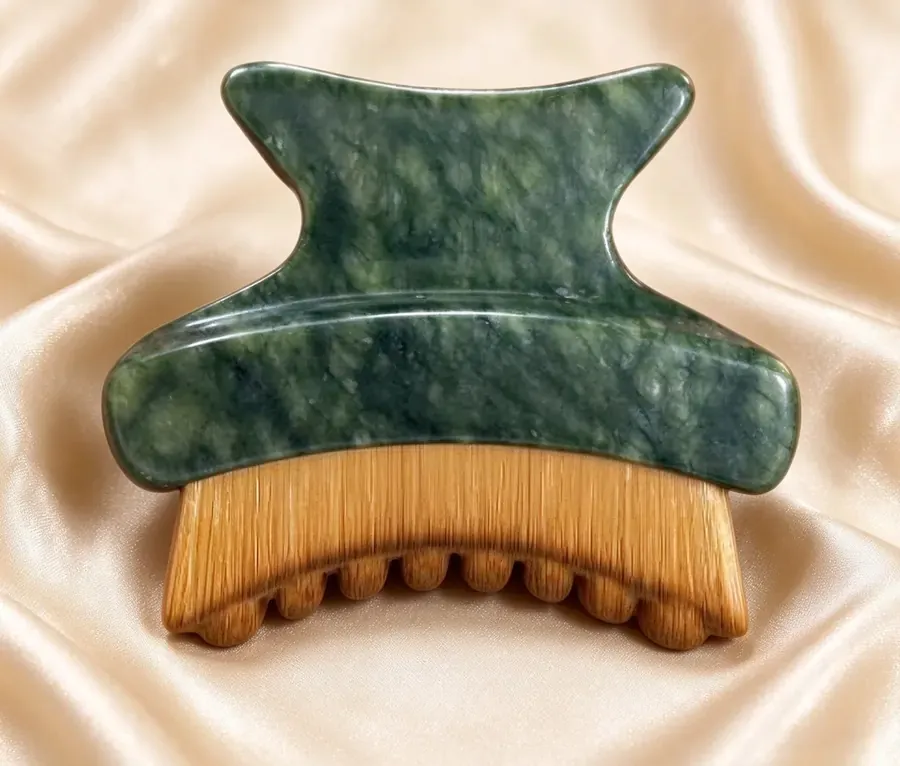
- Color
- Pattern
- Transparency
- Surface
- Cracks
- Shape
- Consistency
Request Physical Samples
The safest way to evaluate a natural stone product is to inspect a sample.
Compare the sample with the supplier's production expectation.
Ask Specific Questions
Instead of asking only:
“Is this AAA?”
Ask:
What percentage of pieces normally meet the visual standard?
What color range should I expect?
Are natural inclusions acceptable?
How do you control obvious defects?
These questions provide more useful information.
Why This Matters for E-commerce Brands
Online customers see your product photographs.
If the actual product varies significantly from your listing images, customer expectations may not be met.
Therefore, your product photography and product description should accurately represent natural variation.
Final Thoughts
Natural stone is valuable partly because each piece has its own character.
The goal is not necessarily perfect uniformity.
The goal is consistent quality within an agreed natural range.
Need help selecting natural stone for wholesale production? Request samples and material recommendations.