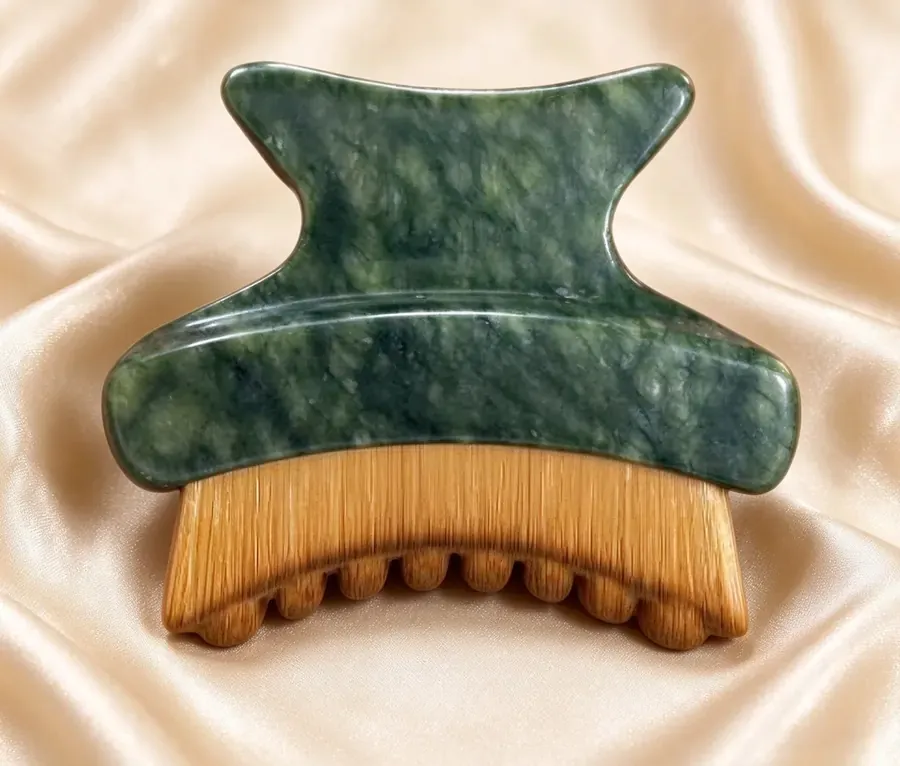
Real Jade Gua Sha: How to Tell Natural Stone from Fakes
Lab report numbers, certificate verification and four field tests that separate real stone gua sha from glass, resin and dyed imitations — written by the Dongguan factory behind the reports.
Short answer: Ask for the lab report number, then verify it on the laboratory's own website. A real stone gua sha tool comes with a gemological report naming the exact species — quartzite jade, serpentine, rose quartz, volcanic glass — not a vague "natural jade" claim. If a supplier cannot name the species or show a verifiable report, treat the material as unknown.
That single test filters out most fakes. The rest of this guide explains what the reports actually say, what the four field checks are, and which claims should make a buyer walk away.
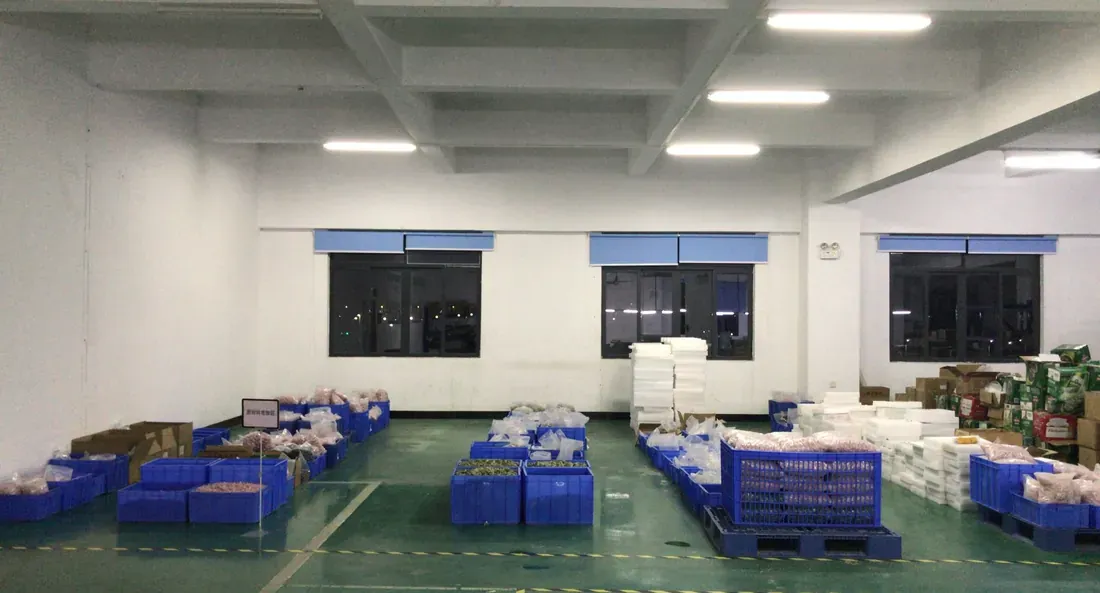
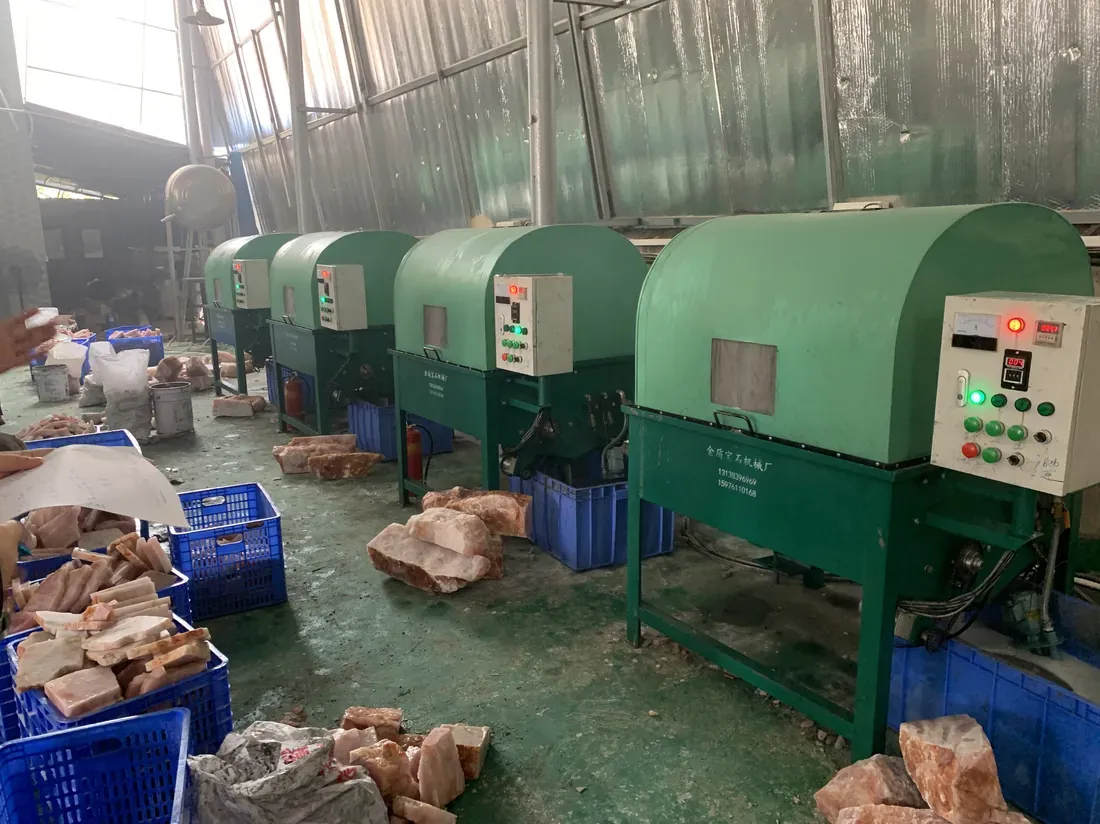
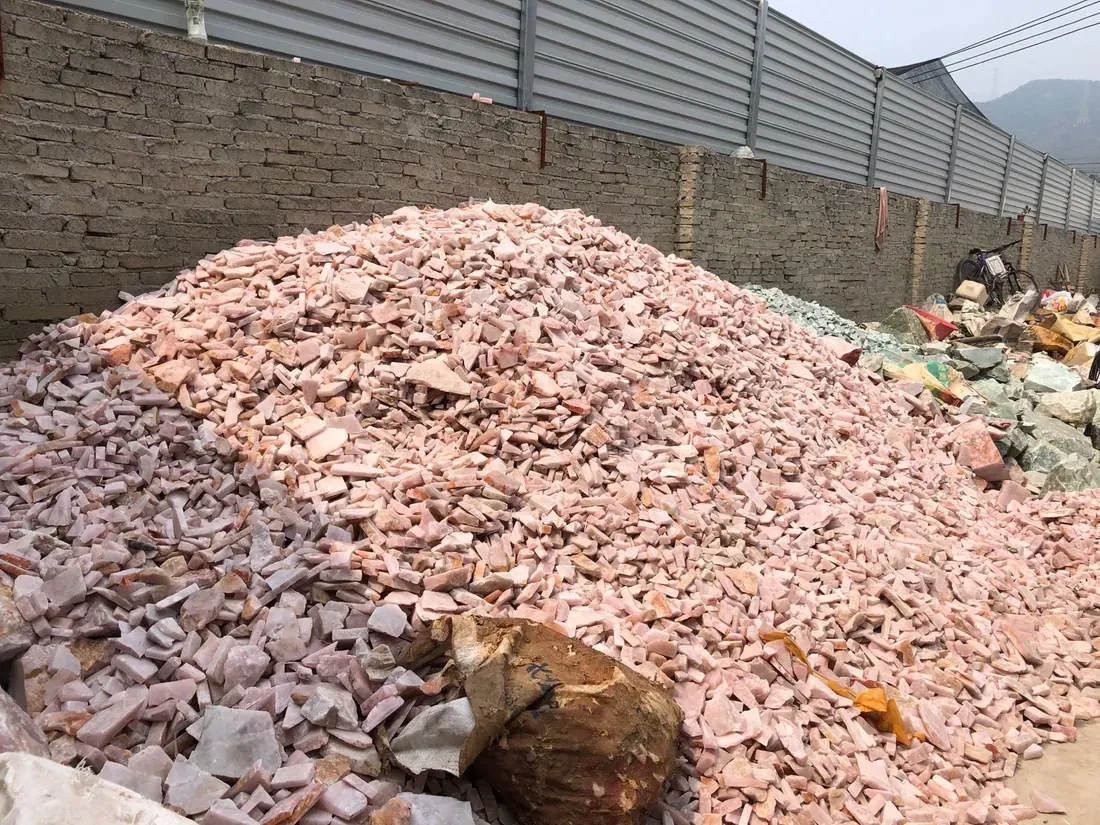
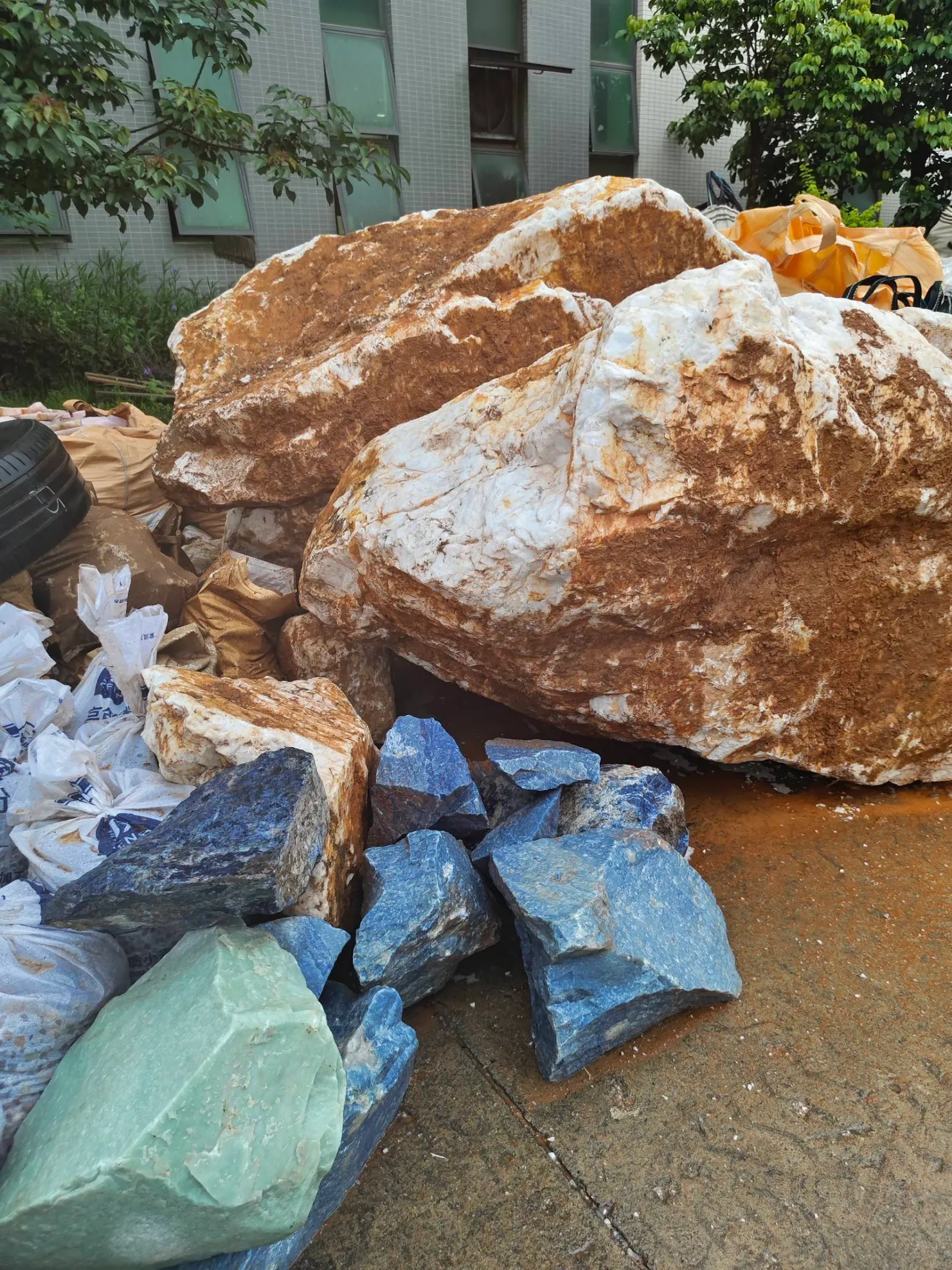
Our raw material yard — gemstones arrive as blocks, so the species is fixed at the source.
Quick reference: what the five main gua sha materials really are
Trade name on the shelf | What the lab calls it | What it is | Common fake |
|---|---|---|---|
"Jade" gua sha (white/green) | Quartzite jade (shi ying yan yu) | Metamorphic quartz rock, natural | Dyed quartzite, glass, resin composite |
"Xiuyan jade" / green stone | Serpentine (she wen shi yu) | Serpentine-group mineral, natural | Dyed soapstone, plastic |
Rose quartz gua sha | Rose quartz (fen shui jing) | Pink macrocrystalline quartz, natural | Pink glass, dyed quartz, acrylic |
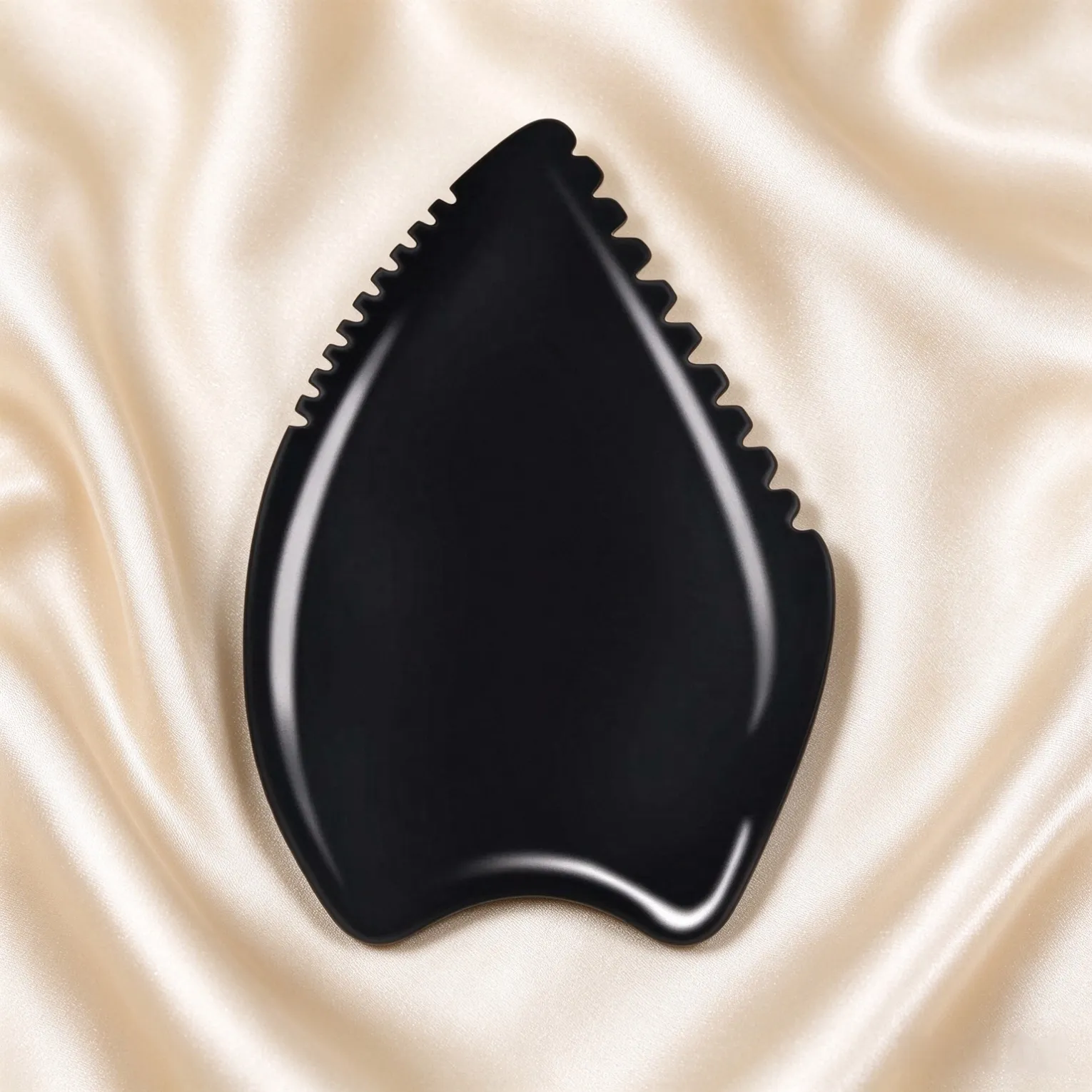
Obsidian gua sha | Natural volcanic glass | Amorphous volcanic glass, natural | Black glass, dyed resin |
"Bian stone" gua sha | Bian stone (bian shi) | Fine-grained metamorphic rock | Ordinary black slate, painted stone |
The pattern is consistent: the honest name is the mineral name, not the marketing name. A supplier who only says "real jade" is telling you nothing you can verify.
Ask for the report number before payment, then verify it on the laboratory's own website.
Why "real jade" is the most misleading phrase in this industry
In the Chinese stone trade, the character yu ("jade") has been applied for centuries to any stone that looks and feels precious — including quartzite, serpentine and even glass imitations. When that word is translated into English as "jade", buyers reasonably assume nephrite or jadeite, the two minerals gemologists call true jade.
Most gua sha tools sold as "jade" are quartzite jade — a genuine natural stone, but not nephrite or jadeite. That is not a defect. Quartzite holds a cool touch, takes a fine polish, and costs a fraction of nephrite, which is why it dominates the gua sha market. The problem is only when the distinction is hidden.
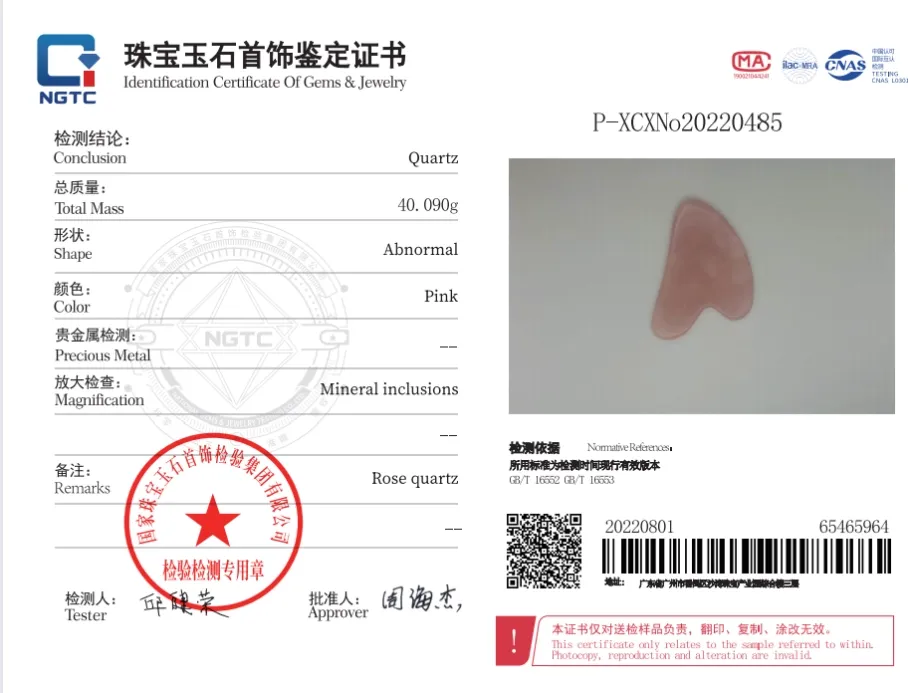
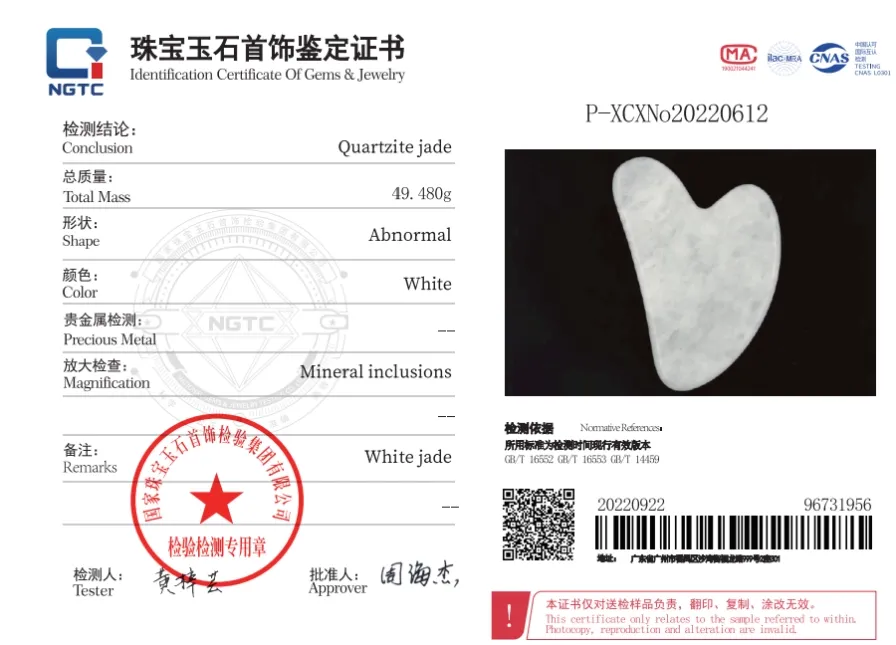
Our own lab reports make the distinction explicit. The NGTC report for our white material states Quartzite jade as the conclusion, with "White jade" appearing only as a trade note. We publish it that way, because a buyer who discovers the gap between "real jade" and "quartzite jade" after the container arrives does not reorder.
A lab report names the mineral, not a vague trade term such as "real jade".
The four field checks any buyer can run in five minutes
Lab reports are the primary evidence, but they only cover the sample submitted. These four physical checks catch substitution between the sample and the bulk order.
1. The temperature test. Natural stone feels cold to the touch and warms slowly. Glass and resin reach skin temperature within seconds. Hold the tool for 30 seconds; if it is warm at the start, it is not stone.
2. The weight and density test. Quartzite, serpentine and obsidian are dense — our standard stone gua sha boards are 6 mm thick and weigh 35–90 g depending on size and species. Glass of the same size feels noticeably lighter; resin feels hollow.
3. The internal structure test (flashlight). Hold the tool against a phone light. Natural quartzite and rose quartz show cloudy internal texture, mineral inclusions and slight color banding. Glass shows perfectly uniform color or round bubbles. Resin shows swirl marks and, often, a seam from the mold.
4. The surface and edge test. Natural stone is finished by grinding and tumbling: edges are uniformly rounded, the surface has a deep satin-to-mirror sheen, and there is no mold parting line. Cast glass and resin copies usually show a faint seam along the edge and a shallower, "plasticky" gloss.
None of these checks requires equipment, and together they eliminate the most common counterfeits: glass sold as obsidian, dyed quartz sold as rose quartz, and acrylic sold as "jade".
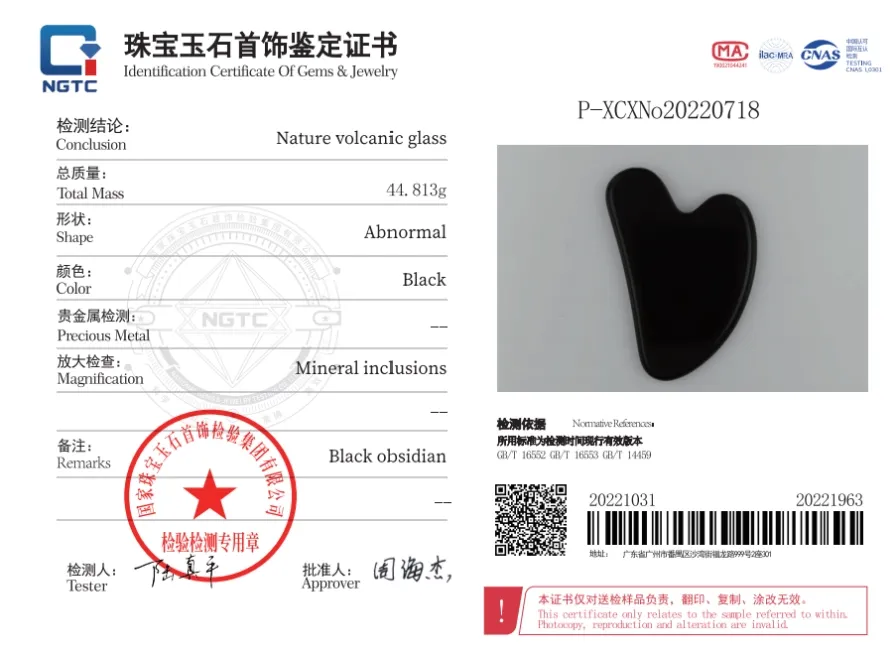
Each report covers one submitted sample, with its exact species, weight and conclusion.
What a genuine gemological report contains
A usable report has four elements. If any is missing, the document is decoration, not evidence.
Element | What to look for | Why it matters |
|---|---|---|
Issuing laboratory | GDTC (Guangdong Gold & Jewelry Testing Center) or NGTC (National Gemological Testing Centre) | Both are state-recognized; NGTC is the national-level authority |
Report number | e.g. P-XCXNo20220612, verifiable on the laboratory's website | Anyone can print a certificate; only the lab can confirm one |
Species conclusion | "Quartzite jade", "Serpentine", "Natural volcanic glass" | The species name is the part that cannot be faked |
Test standard | GB/T 16552 / 16553 / 16554 | Shows the sample was tested to a national gemological standard, not a factory's own spec |
A photo of a certificate is a marketing asset. A report number you can look up yourself is evidence. Ask for the number, search it on the laboratory's site, and compare the weight and conclusion to the sample in your hand.
We keep a current report on file for every stone species we sell; copies are available on request.
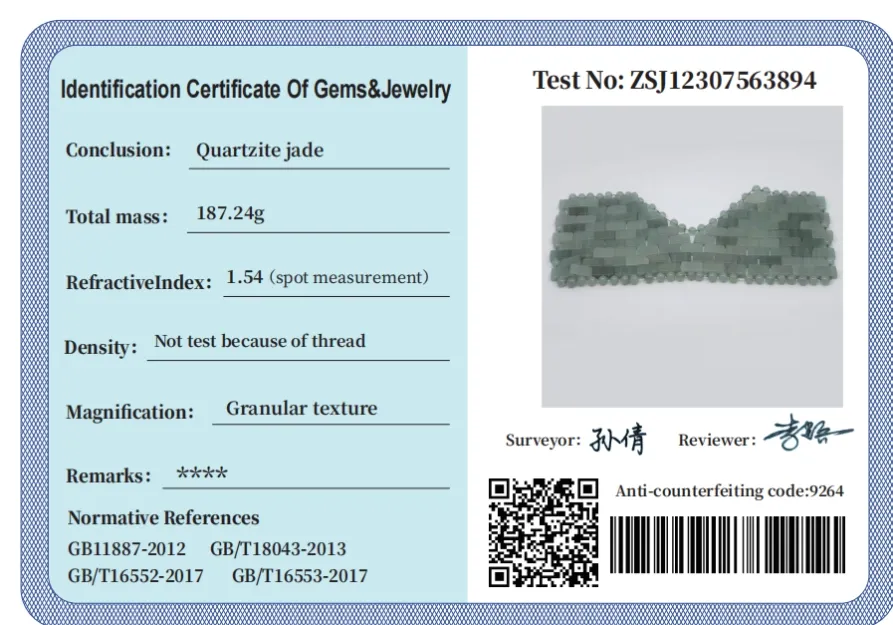
The reports we hold (and what each one proves)
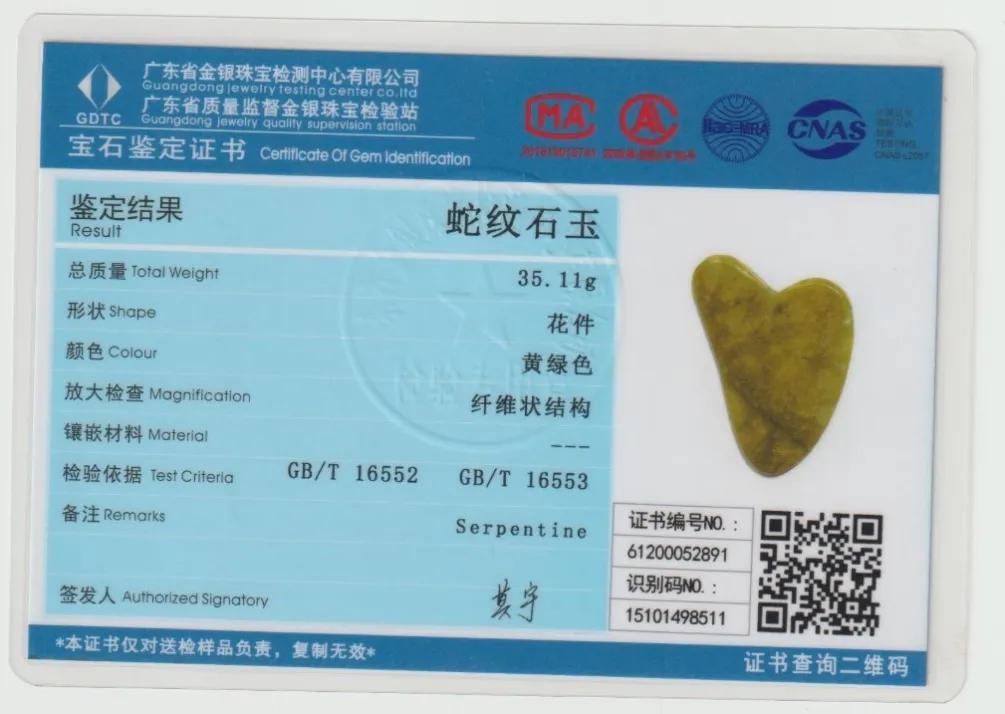
We keep sample reports for every stone species we sell. These are the five currently on file; copies are available to buyers on request.
Material | Laboratory | Report | Conclusion |
|---|---|---|---|
Quartzite jade (green) | GDTC | ZSJ12307563894 | Natural quartzite jade, 187.24 g |
White quartzite ("white jade") | NGTC | P-XCXNo20220612 | Quartzite jade, white, 49.480 g |
Rose quartz | NGTC | P-XCXNo20220485 | Natural rose quartz (quartz), 40.090 g |
Serpentine | GDTC | 61200052891 | Natural serpentine, 35.11 g |
Black obsidian | NGTC | P-XCXNo20220718 | Natural volcanic glass, 44.813 g |
Each report covers a specific submitted sample, not an entire production run — that is how gemological testing works, and any supplier who claims otherwise is misrepresenting the document. What the reports prove is that the material we buy and cut is the species we say it is. The control that keeps it that way is process, not paperwork.
A report number you can look up yourself is evidence. A photo of a certificate is not.
How we keep the material honest from block to box
Paperwork only helps if the material is traceable. Our production runs in one direction, and each step is visible:
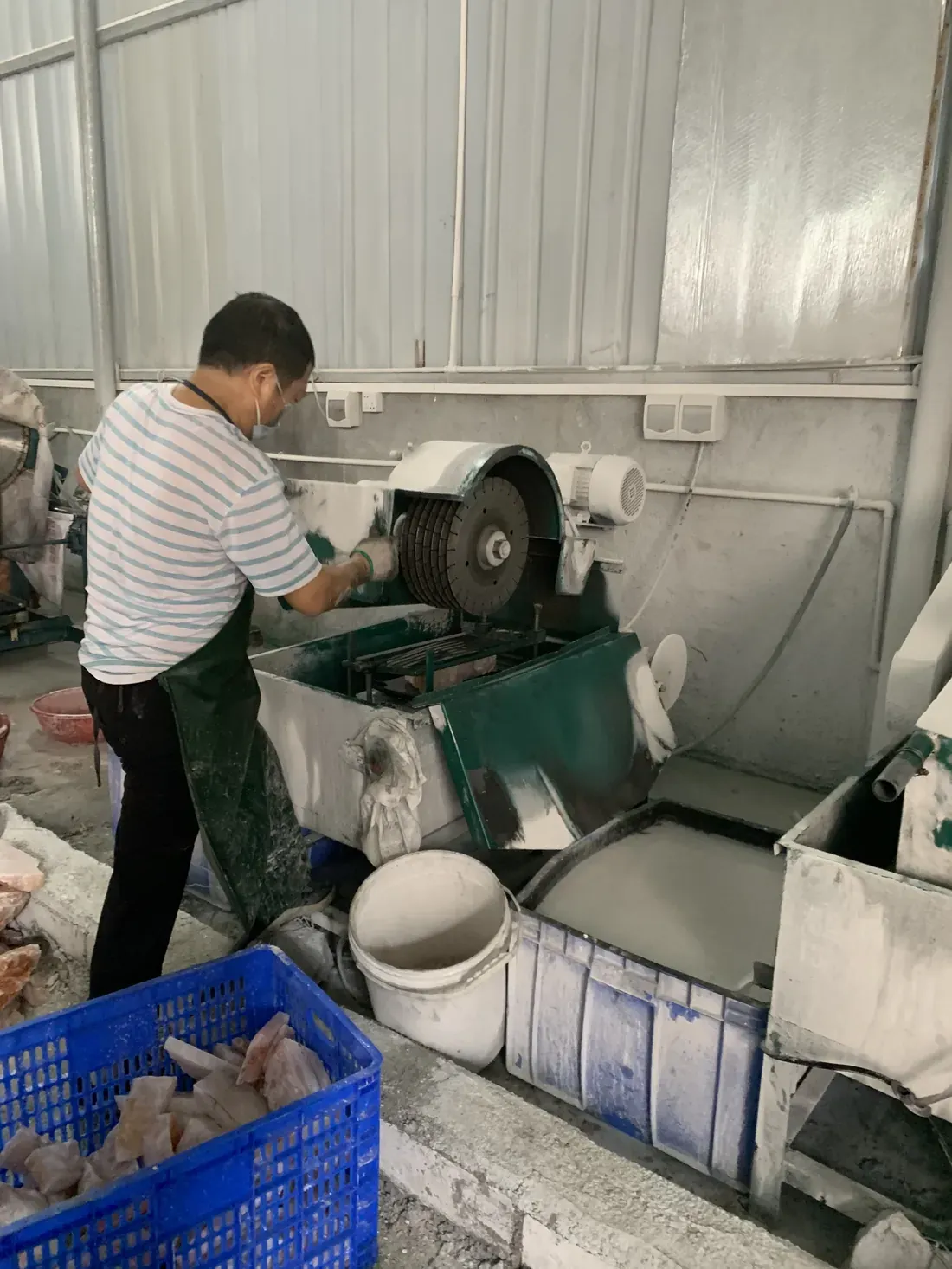
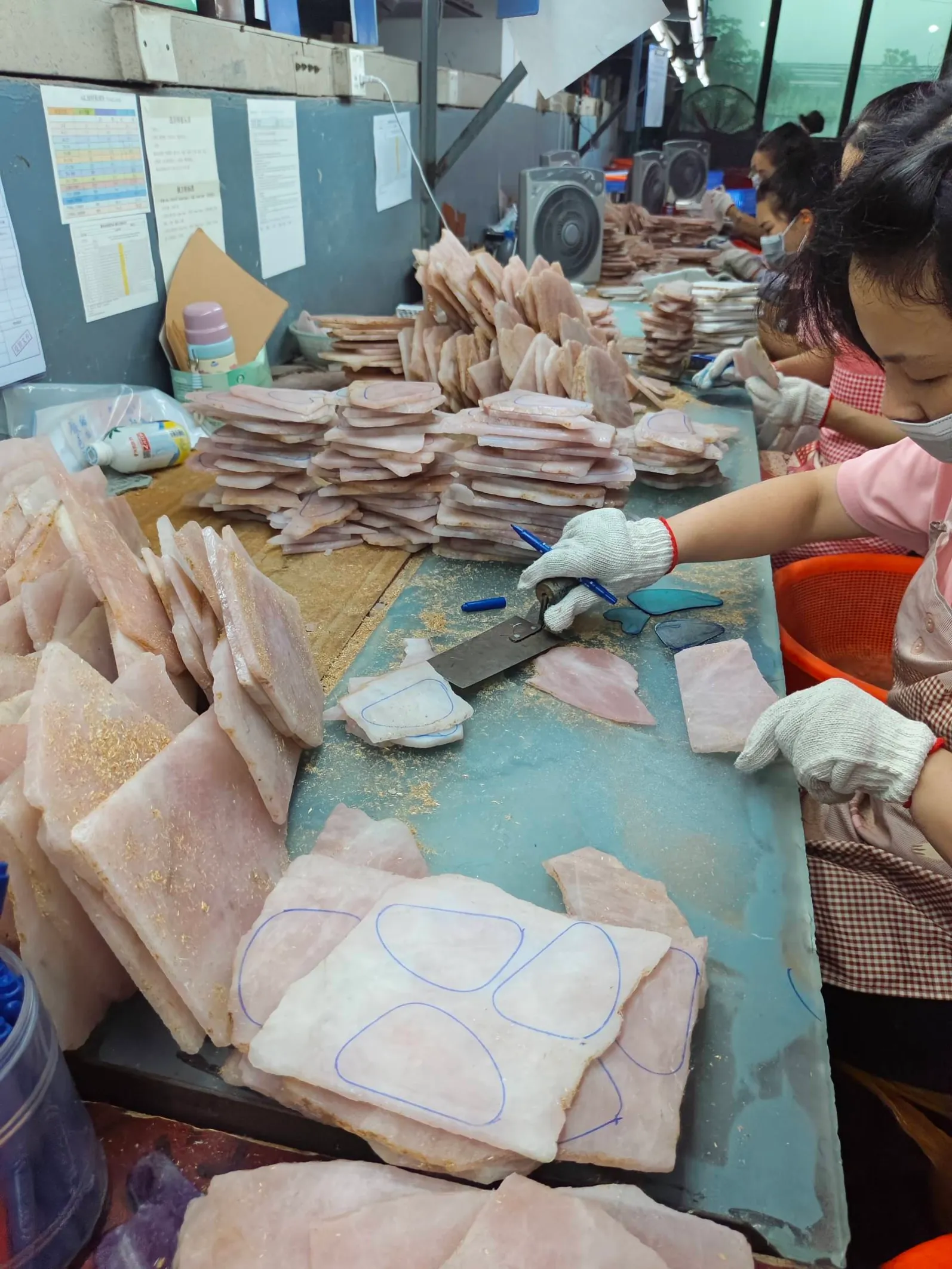
Shapes are traced by hand onto each slab, with three to four boards nested per slab to limit waste.
- Raw blocks arrive in bulk — quartzite, serpentine, rose quartz and obsidian bought as blocks, not as pre-cut blanks, so the species is fixed at the source.
- Slabs are cut and marked by hand — workers trace gua sha shapes onto each slab with a template and nest 3–4 shapes per slab to control waste.
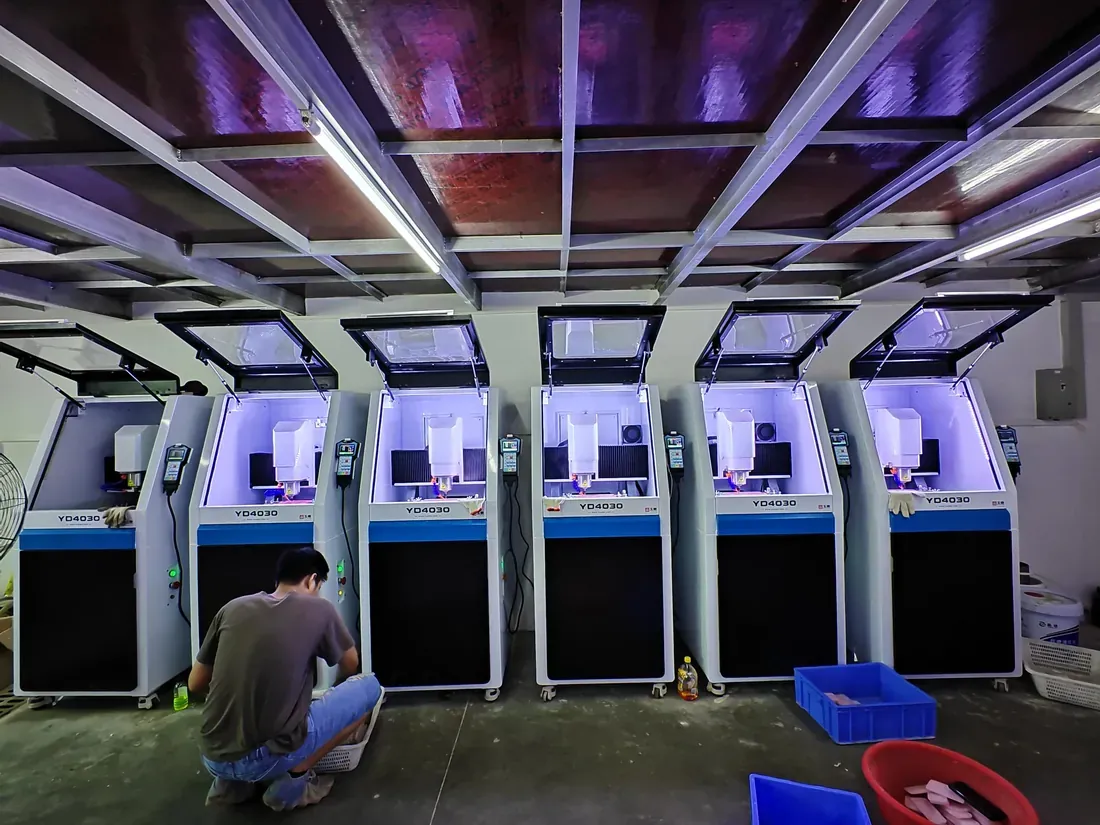
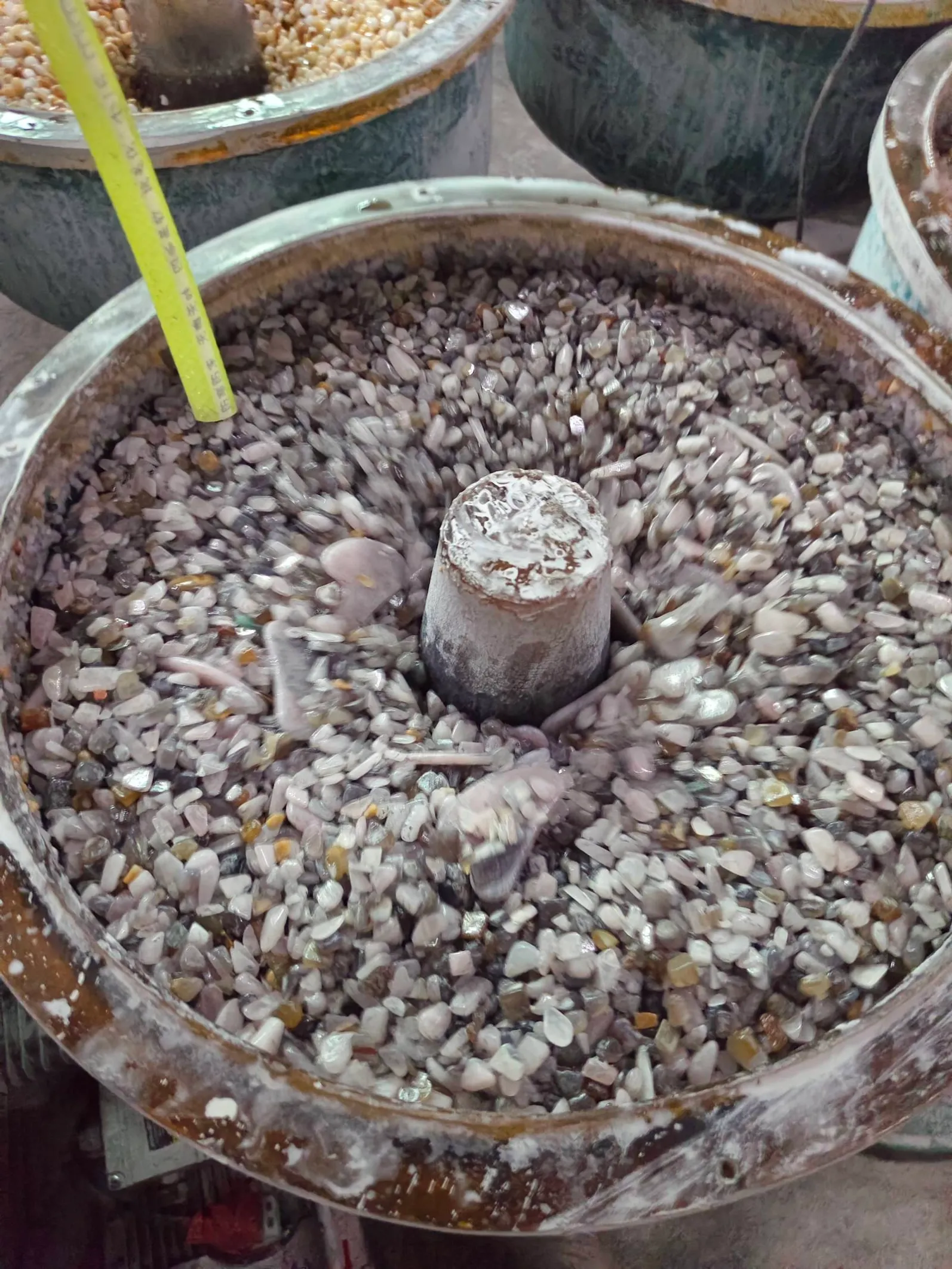
- Shaping and tumbling — edges are ground, then polished in rotary tumbling machines with abrasive media. This is what produces the cool, glass-smooth surface that glass imitations try to copy.
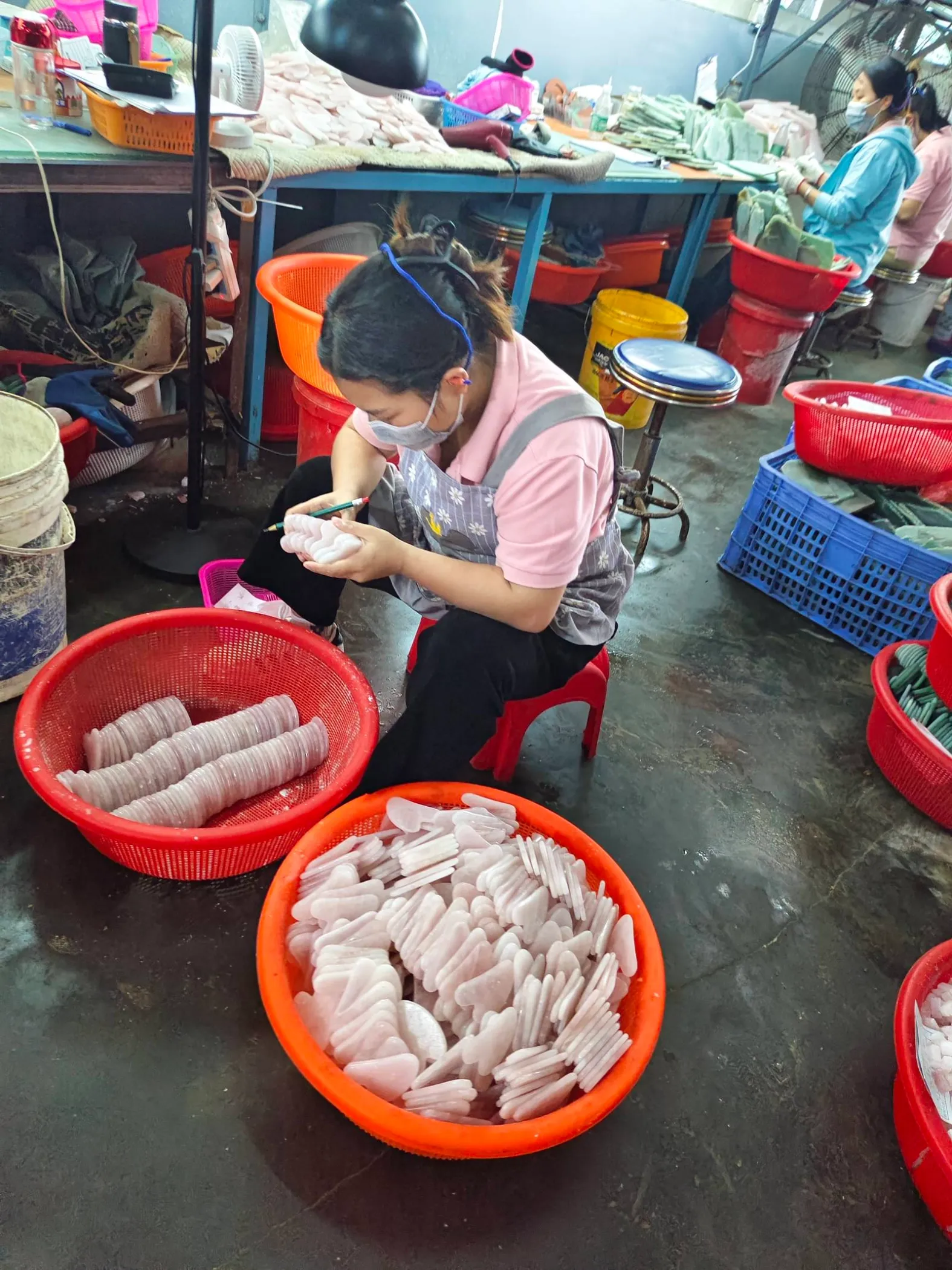
- Piece-by-piece inspection — every board is checked individually for cracks, color consistency and edge finish before packing. No random sampling.
Around 50,000 pieces leave the workshop each month, with 50–80 staff across cutting, shaping, polishing, inspection and packing. We have been doing this since 2018, and we ship to the US, UK, Australia, Iceland, Indonesia, France, Thailand and Korea. See our factory profile for the full picture.
Wet tumble polishing produces the glass-smooth finish that cast glass and resin copies try to imitate.
Every board is inspected one by one before packing — no random sampling.
Five claims that should end the conversation
- "Our jade is Hetian jade" at gua sha prices. Hetian (nephrite) at $2–5 per piece is not possible. Either the material is quartzite or the price is not real.
- "Natural obsidian crystal." Obsidian is volcanic glass, not a crystal. A supplier using this phrase does not know the material.
- "Certificate available for the whole shipment." Gemological labs test samples, not containers. Reports cover the submitted piece.
- "No report needed, you can see it's real." Visual inspection cannot separate dyed quartzite from natural quartzite; only a lab can.
- "MOQ 5,000 or no order." Real factories with stock blanks can start far lower — a 200-piece mixed order is normal for stone and stainless items.
FAQ
Can I verify a Chinese gemological certificate from abroad?
Yes. GDTC and NGTC reports carry a report number that can be checked on the laboratory's website. Ask your supplier for the number before payment, not after.
Is quartzite jade "fake jade"?
No. It is a genuine natural stone. It is simply not nephrite or jadeite, the two minerals that gemologists classify as true jade. The word "jade" in the trade name is a translation convention, not a fraud — as long as the supplier states the species.
How much should a real stone gua sha cost wholesale?
Price depends on species, size, thickness and finish, but as a rule: if a quoted FOB price is far below the cost of the raw block plus cutting and polishing, the material is not what the quote says. Ask for the species name and a report number; the price usually explains itself after that.
Does rose quartz fade or change color?
Natural rose quartz can fade slowly with prolonged UV exposure. Dyed quartz fades much faster and unevenly. If a supplier guarantees "never fades", they are either selling dyed material or guessing.
Can you laser-engrave our logo on stone tools?
Yes — logo engraving starts at 100 pcs per style for jade/quartzite and stainless steel items, and mixed batches of 200 pcs (100 per style) are accepted. Ceramic and wood items start at 500 pcs for silk-screen printing.
How fast can we get samples?
5–7 days for stock items with logo engraving. Bulk production runs 20–35 days depending on quantity and finishing.
Next step
If you are sourcing stone gua sha tools and want the report numbers, current stock list or a sample quote, send us the species and quantity you need. We will reply with the matching certificate, a price and a production schedule. Browse our stone gua sha catalog or contact us directly.