Terahertz vs Bian Stone Gua Sha | Alison Gua Sha Factory
Terahertz vs bian stone gua sha, compared for wholesale buyers: look, feel, colour consistency, MOQ and lead times — and which one fits your brand. Quote within 24 hours.
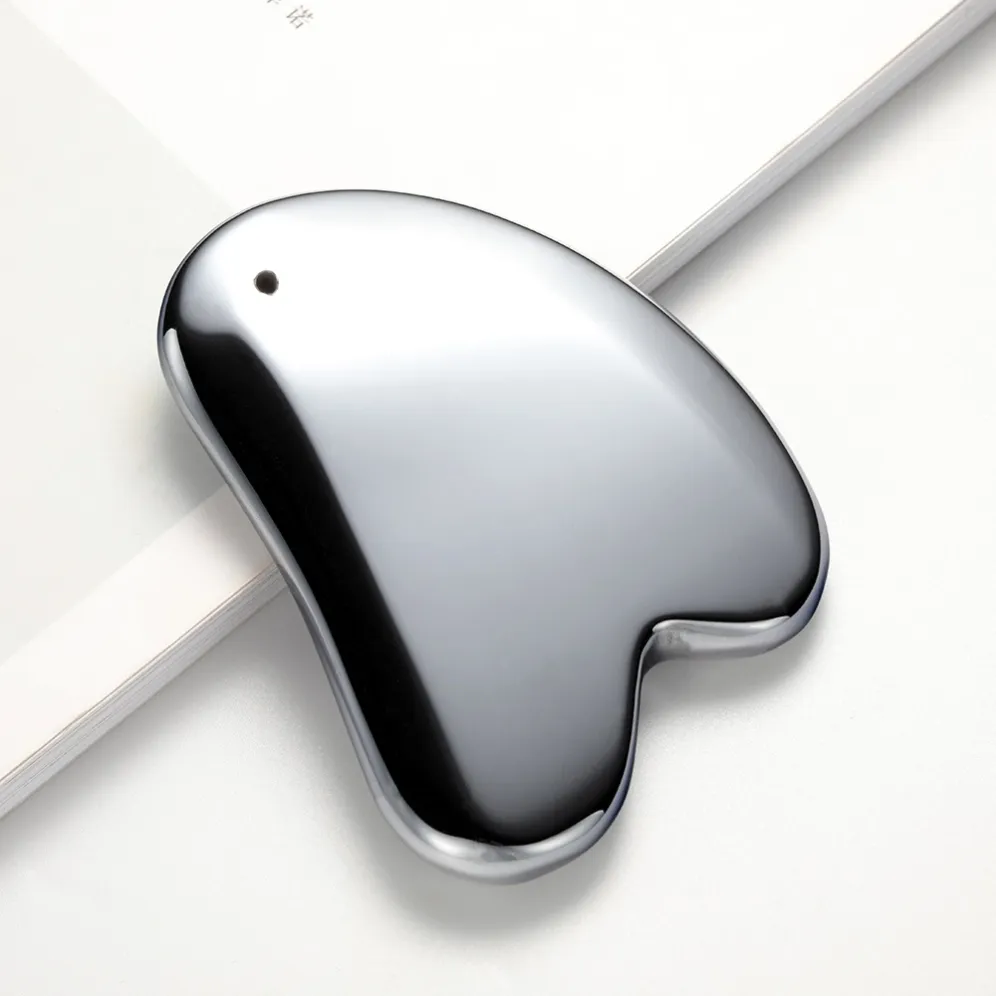
If your brand line is modern and minimal, and every piece in the box has to look identical to the one in the product photo, terahertz is the safer pick. If your brand story is built on a traditional Chinese stone that your customers can verify by origin, bian stone is the stronger pick. Both are dense, smooth, hand-finished tools that do the same job on skin, so the decision is not about which one works better. It is about what your listing can honestly promise, and what your customer expects when the box opens.
Terahertz suits a buyer who needs consistency first: one dark colour, the same from the first piece to the five-hundredth, with a very smooth polish and a weight that feels substantial in the hand. Bian suits a buyer who needs a story first: a natural stone with two recognised origins in China, a traditional therapeutic background, and a look that says the tool comes from somewhere real. Neither material is the right answer for every brand, and the expensive mistake is ordering one while selling the other.
The order that looked right in the photo
A brand owner launches a small facial-tool line with a dark, premium look. She orders 300 black boards from a supplier whose listing calls them bian stone, because the product photo shows a deep black board with a clean edge and the price fits her budget. Both batches arrive looking right — identical, piece for piece. That is when a customer who knows stone asks the question she cannot answer: if this is a natural stone, why does every piece look exactly the same, and where does it come from?
The problem is not the tool. The tool scrapes well, the edge is smooth, and no customer complains about how it feels. The problem is that the listing promised a natural stone with an origin, and the material in the box is a manufactured stone whose strength is consistency, not origin. She has to rewrite the listing, re-shoot the product story, and explain to a distributor why the material description changed between the first order and the second.
The same mistake runs in the other direction. A buyer orders bian stone because a competitor's page calls it the traditional choice, and he expects 500 identical black boards for a gift set that has to match a printed box exactly. The batch arrives and the boards are black, but not identically black — the veining differs, a few pieces are a shade lighter, and the weight varies slightly from piece to piece. Nothing is wrong with the stone. Natural stone varies, and that variation is the proof that it is natural. But his gift set now has 500 boards that do not match each other. Both buyers ordered a good tool. Both ordered the wrong story for it.
What each stone actually is
Terahertz stone is a dense, dark, finely polished stone used for facial and body tools, valued for its weight, its smooth surface and its appearance. It is a manufactured and processed material rather than a traditional decorative stone, which is why it does not appear in the same historical references as jade or bian stone. Its practical strengths are the ones a buyer can check with their own hands: it is dense, so it holds its temperature for a while, and it takes an extremely smooth polish. It also holds colour well, so one dark tone runs through the whole order.
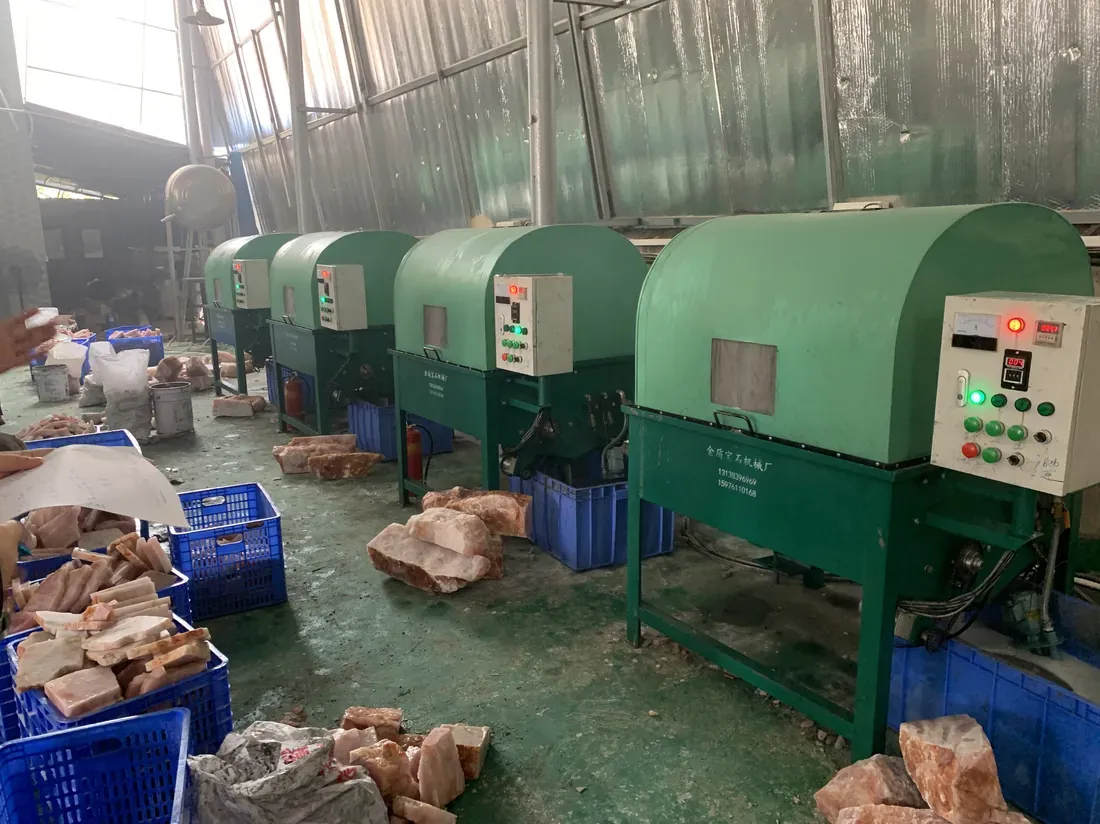
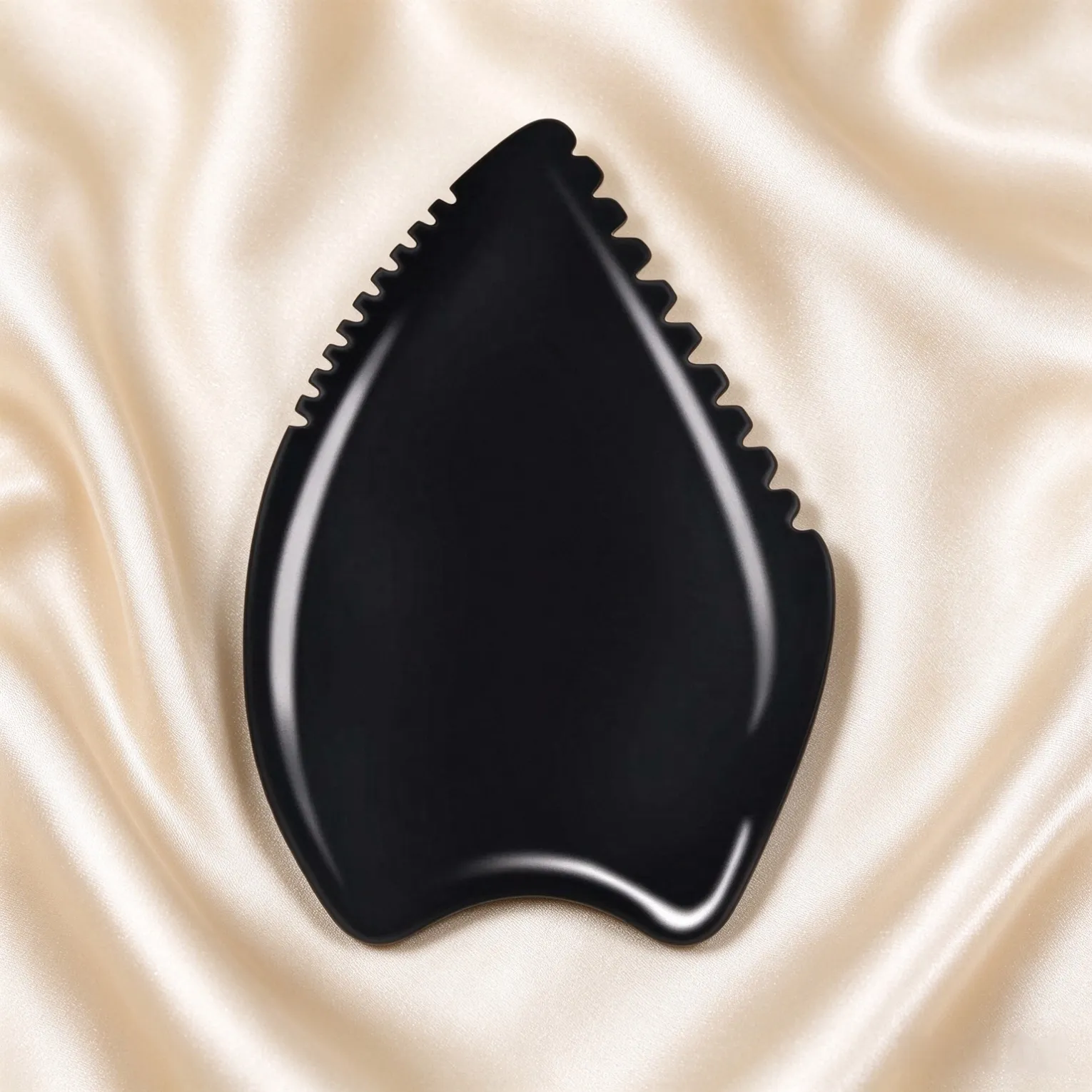
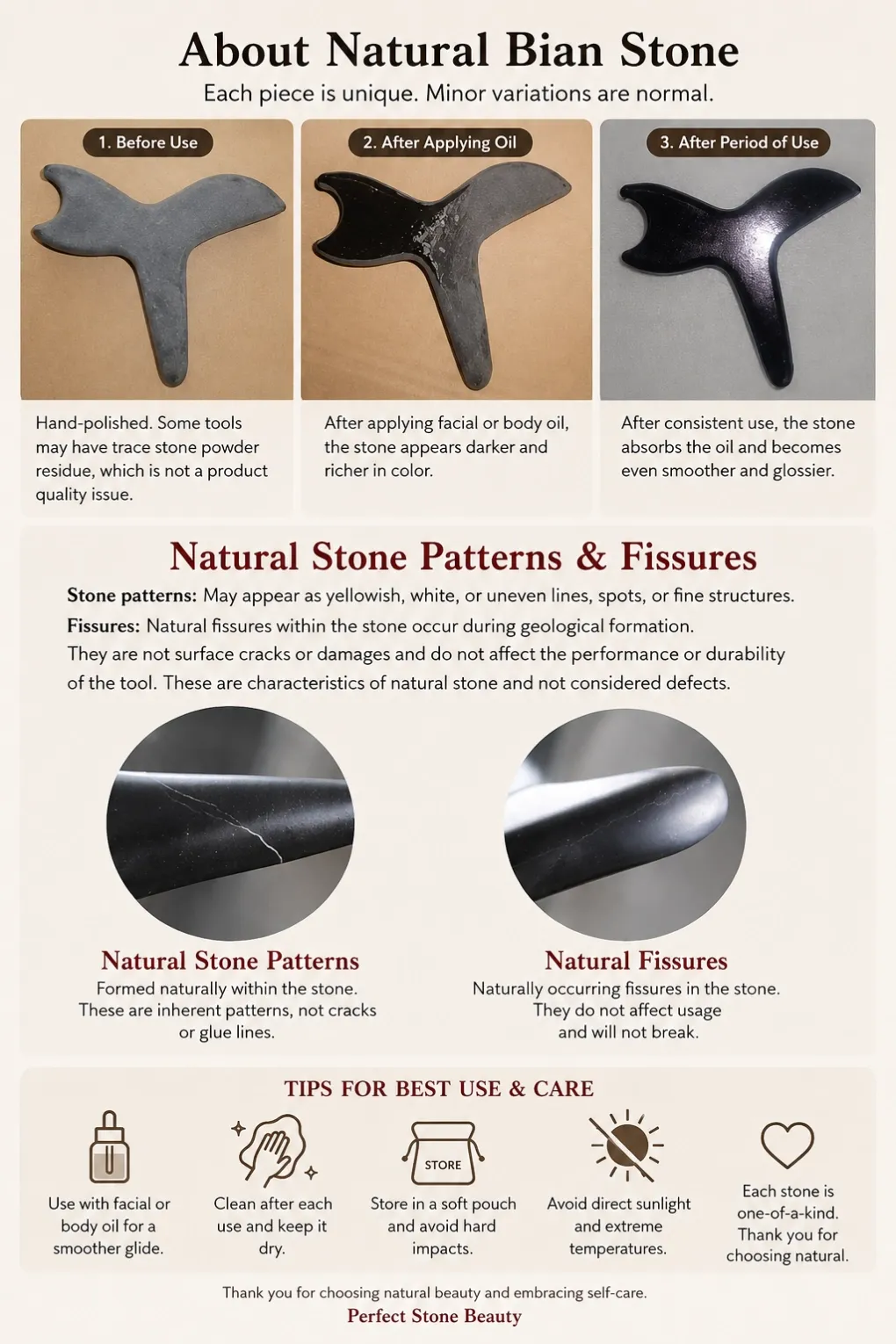
Bian stone is the traditional therapeutic massage stone of Chinese medicine, and it is one of the few beauty tools with a mineral story your customers can actually verify. We manufacture it in two authentic origins, and we label which is which. Lingbi black bian stone comes from Lingbi County in Anhui Province. The raw stone is black inside and out, with no dyeing and no surface treatment, a dense microcrystalline limestone that takes a mirror polish and holds a crisp edge. Sishui bian stone comes from the Sishui River valley in Shandong Province. Its natural colour is yellow-grey to brownish-red, with a fine grain that polishes to a warm, slightly translucent surface, and it is the material older therapy references describe.
The difference that matters most to a buyer is not in the hand but on the page. Terahertz is uniform by nature, so a brand can promise that the fiftieth piece looks like the first. Bian is natural by nature, so a brand can promise an origin, and the small variation from piece to piece is part of that promise. A Sishui tool will also darken gradually with use as skin oils soak into its fine pores, which is a real effect of the material and not a fault — but it is something to tell your customer before they notice it, not after. And there is one line neither material should cross in your listing. Claims about what a material is said to emit cannot be substantiated through our paperwork, so describe what the tool does — its weight, its glide, its temperature retention, its finish — and not what the material is supposed to radiate.
Which stone fits which brand
The choice follows the brand, not the stone. A modern, minimal brand with a monochrome line and a product photo that has to match the delivered tool piece for piece should start with terahertz. The uniform dark tone photographs the same way every time, the colour holds across reorders, and a mixed range is easy to build because the dark tone contrasts well with lighter materials such as steel and pale stone. Terahertz also suits a gift set where the box, the pouch and the tool have to read as one colour story.
A brand whose story is tradition, therapy or origin should start with bian stone. Lingbi black is the stronger commercial choice for retail and branded lines: it photographs black-on-white without styling, it carries a laser logo with clean, high-contrast definition, and it does not raise material questions during a sale. Sishui suits clinics and professional treatment rooms where the tradition matters more than the look, and a brand serving traditional therapy channels can run both origins as two lines from one supplier, packed and labelled separately so a warehouse can receive them without sorting.
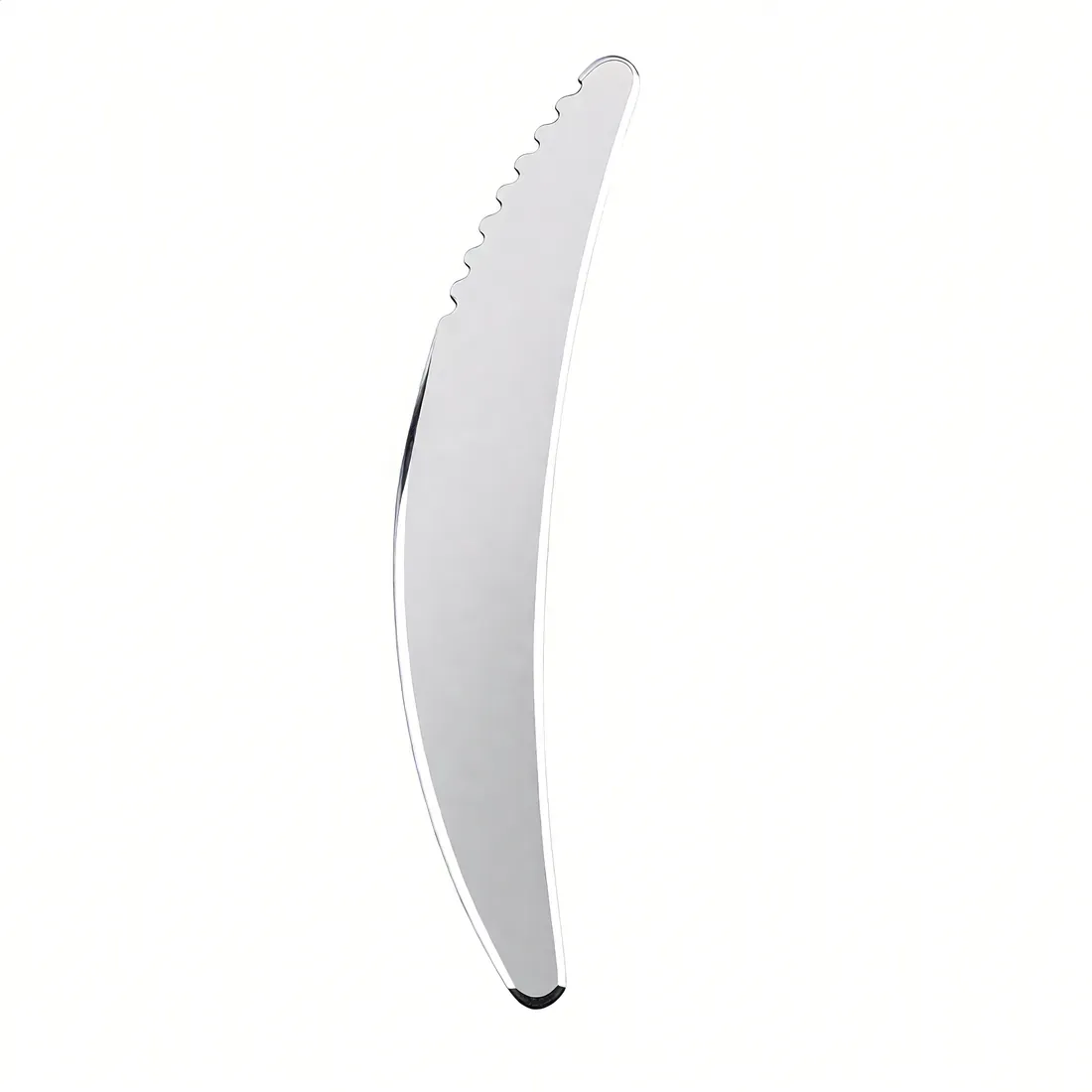
For the tool itself, the two materials are closer than their stories suggest. Both are dense stones with hand-finished edges, made for face and body work in the same shapes: facial boards, body tools with a wider edge, combs and wands. Both need the same honest note in the care card, because both are stone and both can chip if dropped on a tiled floor. If the tool is going into a gym bag or a travel kit, neither stone is the drop-proof answer — stainless steel and resin are the materials that survive a fall, and that is a different comparison. What separates them in daily use is temperature and feel: terahertz holds its temperature for a while because of its density, and bian feels cool at first and warms with friction, which is the property the material has long been valued for.
What to check before you order
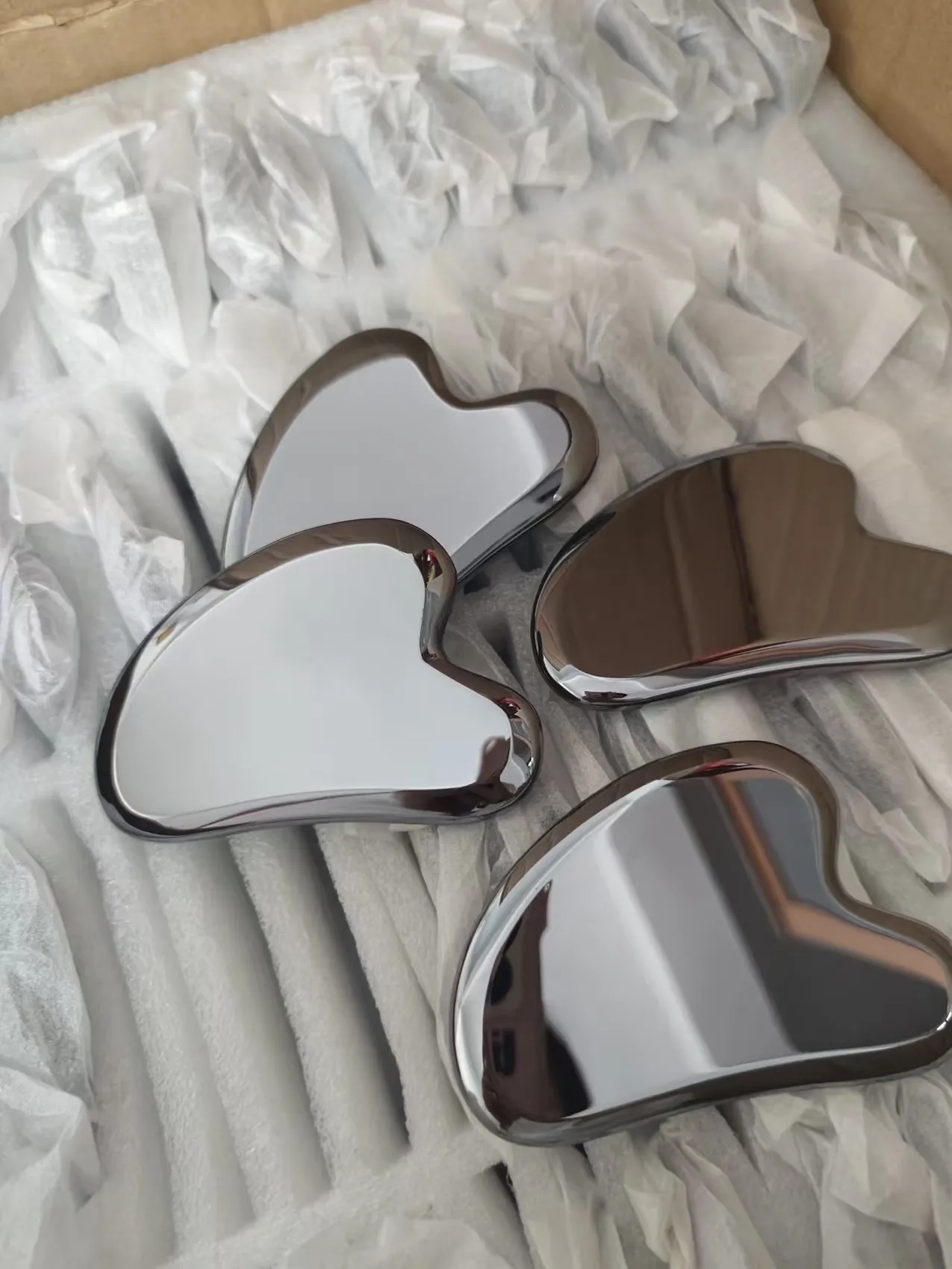
Order a sample of each material before you commit to a batch, and test the samples the way your customer will use them. Run a finger along every working edge — a sharp edge scratches, and an over-rounded edge stops scraping effectively — and check the glide on oiled skin rather than on a dry hand. Hold the two boards side by side in the same light and ask which one your product photo can honestly show. If the photo has to show one exact shade, terahertz will hold that shade across the order. If the photo has to show a natural stone, bian will give you the origin to print on the box, and the variation to explain in one line of the listing.
Check the numbers against the same confirmed terms for both materials. Bian stone custom shapes start at 200 pieces, the lowest custom minimum of any material we run, because stone forms without a mould, and the wholesale price is USD 0.78 to USD 5.89 per piece, EXW, for orders of 200 to 5,000 pieces. A stock shape with a laser-engraved logo starts at 200 pieces per model for either material, and a first order of 100 pieces is possible on in-stock and regular styles if our sales team confirms the style qualifies. Silk-screen printing starts at 1,000 pieces, and gift boxes and printed pouches start at 500 pieces. Terahertz pricing is quoted per style, so send the shape and quantity with your inquiry rather than working from a published range that does not exist for this material, and confirm the custom-shape minimum for terahertz at the same time. Logo and packaging are charged separately and quoted per material and size in both cases.
Check the paperwork your market needs before production, not after the goods ship. For bian stone, ask for the material origin, the batch, and a third-party test report covering composition and safety, and check the unfinished stone if you want to verify the colour runs through. For terahertz, ask what documentation the supplier can actually provide for any claim you plan to print, and if the answer is a description rather than a laboratory report, print the practical description instead. The lead times are the same discipline for both: a branded stock order takes 25 to 30 days after artwork approval, an unbranded stock order can ship in as little as 3 days, a laser-engraved sample takes 1 to 3 days, a silk-screen sample takes 7 to 10 days, and a custom stone shape takes 14 to 20 days. Count the clock from artwork approval, not from the order date, and work backwards from your launch.
What to send with your inquiry
Send us the material you have chosen, or tell us you want samples of both and we will send them together so you can compare them in your own hand. Add the shape and size you need, the quantity including spares, your logo artwork and whether it needs colour, the packaging you want with the tool, your target market, and the date you need the goods. If you have not decided between laser engraving and silk-screen printing, say so and order one sample of each first: laser takes 1 to 3 days and silk-screen takes 7 to 10. Tell us which documents your market or marketplace requires, so they are prepared alongside production rather than chased after the goods have shipped. We will reply with a quotation within 24 hours, with the recommended construction, the minimum order, the lead time and the price for your shape and quantity.
The decision itself is simple once the samples are in your hand. Choose terahertz when the order has to look identical, piece after piece, and the story you are selling is modern, minimal and precise. Choose bian stone when the story you are selling is origin and tradition, and your customer will value a natural stone they can verify. Get a quote for either one through our contact page, or message us on WhatsApp, and start with the sample that matches the story you plan to print.
Frequently asked questions
What is the minimum order for bian stone? Custom bian stone shapes start at 200 pieces, the lowest custom minimum of any material we manufacture, because stone forms without a mould. Stock shapes with a laser-engraved logo also start at 200 pieces per model, and a first order of 100 pieces is possible on in-stock and regular styles if our sales team confirms the style qualifies.
Can I order terahertz and bian stone in one range? Yes. Terahertz pairs well with steel and stone in a mixed range because its dark tone contrasts with lighter materials, and mixed orders are packed and labelled separately so your warehouse can receive them without sorting. Tell us both materials in one inquiry and we will quote them together.
Which one is better for a first order? If you are launching with one tool and one product photo, choose the material whose promise you can keep: terahertz for an identical look across the whole order, bian stone for a verifiable origin and a traditional story. Either way, start with a stock shape and a laser-engraved logo at 200 pieces, approve a physical sample first, and add the gift box at 500 pieces when the first reorder is confirmed.