Top 10 Wholesale Gua Sha Tools | Alison Gua Sha Factory
Ten wholesale gua sha tools buyers ask for most, from 304 stainless steel to natural crystal, with confirmed prices, MOQs and lead times for each material.
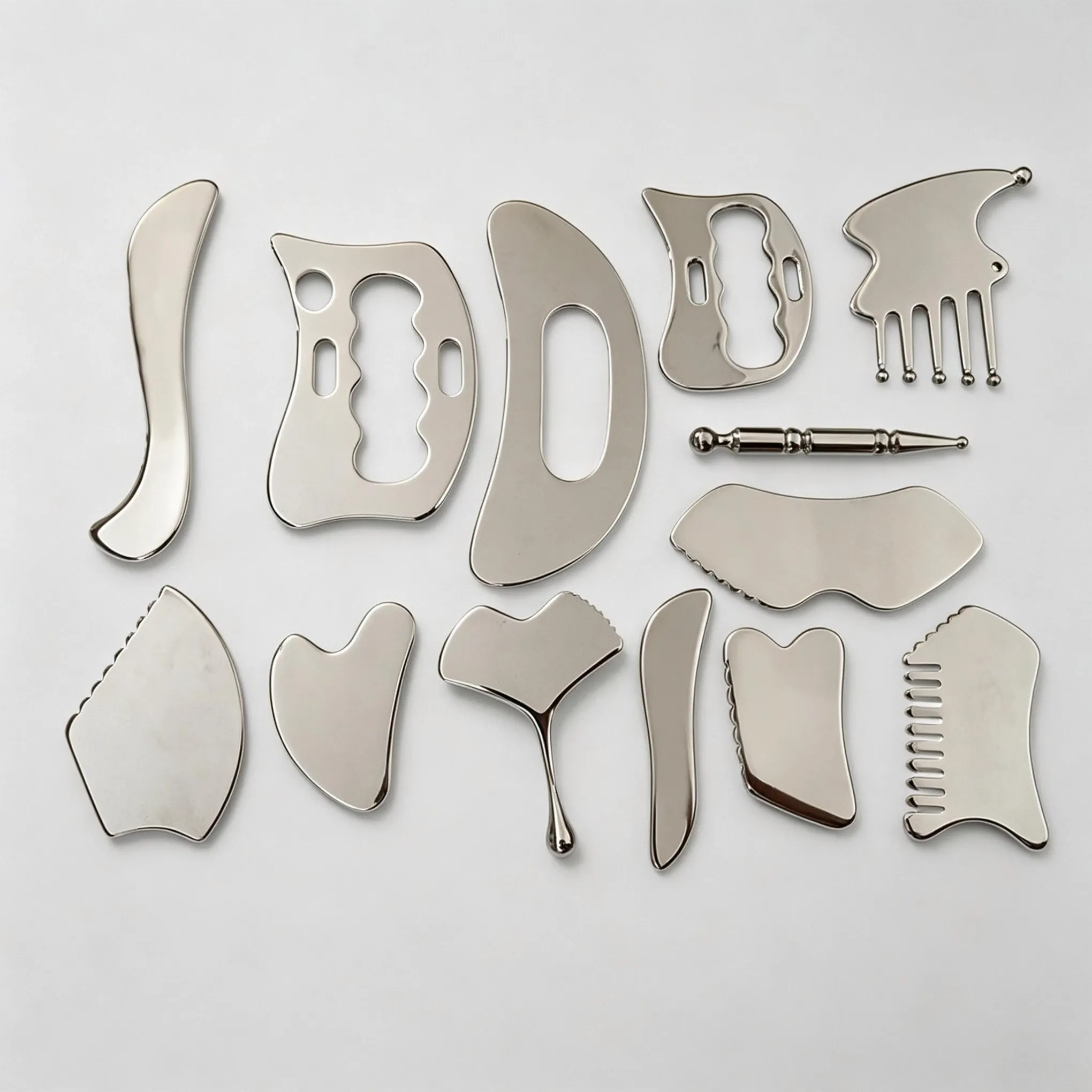
The ten wholesale gua sha tools below cover the full range a buyer needs to choose from: 304 stainless steel, natural crystal, bian stone, ceramic, resin, ice globes, lymphatic brushes, a two-in-one roller and scraper, and a hand-woven crystal eye mask. Each one suits a different buyer, a different price point and a different use, so the right order starts from the material and the customer, not from the shape alone. Prices below are confirmed ranges in US dollars EXW for orders of 200 to 5,000 pieces, and where no range is confirmed the price is quoted per style and quantity.
The order that looked right and sold wrong
A beauty brand plans a gift-with-purchase for the holiday season and wants something that photographs well. The buyer opens the catalogue, sees a rose quartz board, and orders five hundred pieces, because the stone looks premium in the product photo. The boards arrive, and the first problem shows up in the packing room: each crystal board needs its own protective sleeve, because stone chips when it knocks against stone, and the gift box the brand already ordered has no fitted insert. The second problem shows up in the costing sheet: the unit price of a natural crystal board is several times the price of a resin board, and a gift-with-purchase has to cost almost nothing, because the customer is not paying for it. The third problem shows up in the returns inbox, when two boards arrive chipped and the brand has to send replacements in a second box with a second delivery. Nothing about the board itself was wrong. The material was wrong for the job, and the job was decided after the order was placed.
Why the material decides the order
A gua sha tool is a material first and a shape second. The shape is what the customer sees, but the material decides the price, the weight, the fragility, the cleaning routine and the packing. Stone is cool to the touch, heavy in the hand and fragile in transit, which is why it suits a premium retail shelf and not a free gift. Stainless steel is unbreakable, does not rust, and holds a cold temperature, which is why it suits a spa treatment room and a customer who wants a tool that lasts for years. Resin is light, cheap to mould into any shape, and will not chip when it is dropped, which is why it suits a promotional run of tens of thousands of pieces and a subscription box. Ceramic sits in the middle: a glazed surface with a stable cool feel, a colour range a brand can match to its palette, and a finish that reads as high end without the fragility of a cut stone. The buyer who picks by shape alone ends up comparing the wrong numbers, because two boards with the same outline can cost five times as much as each other, weigh three times as much, and need completely different packing. The questions that prevent that mistake are short, and they come before the shape is chosen: who is the customer, what will the tool cost them, how will it be used, and how will it travel.
The ten tools
1. 304 food-grade stainless steel gua sha
The first tool on the list is the workhorse. Food-grade 304 stainless steel does not break and does not rust, so a buyer can order it for a customer who will drop it, wash it and keep it for years. It can go in the fridge and come out cold, which makes it a cold compress for puffiness as well as a scraper, and the same board works on the face, around the eyes and on the body, because the steel holds its edge and its temperature through a whole treatment. Cleaning is simple: soap and water, or a disinfectant wipe between clients, which is why spas and studios order it for treatment rooms. A laser-engraved logo sits well on the steel and does not wear off the way print can. The confirmed price range is 1.49 to 5.99 US dollars per piece EXW for orders of 200 to 5,000 pieces, with the logo and the packaging quoted separately per style and size.
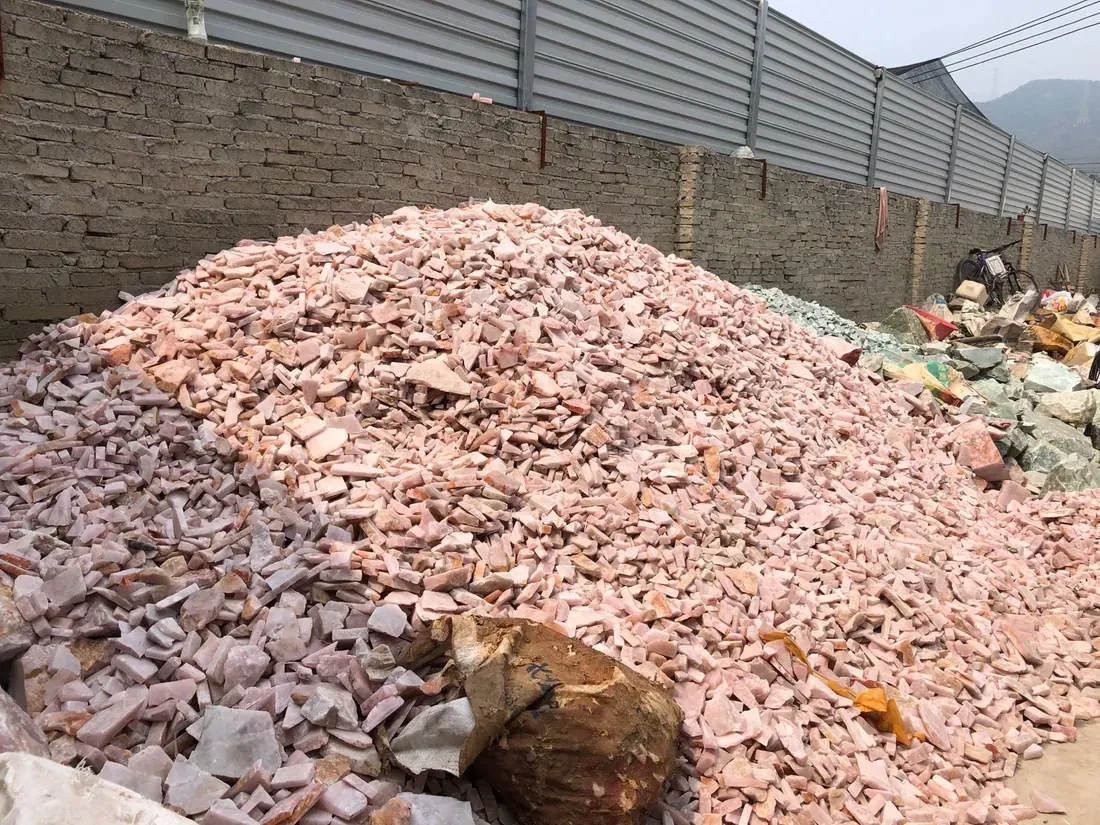
2. 100 percent natural crystal
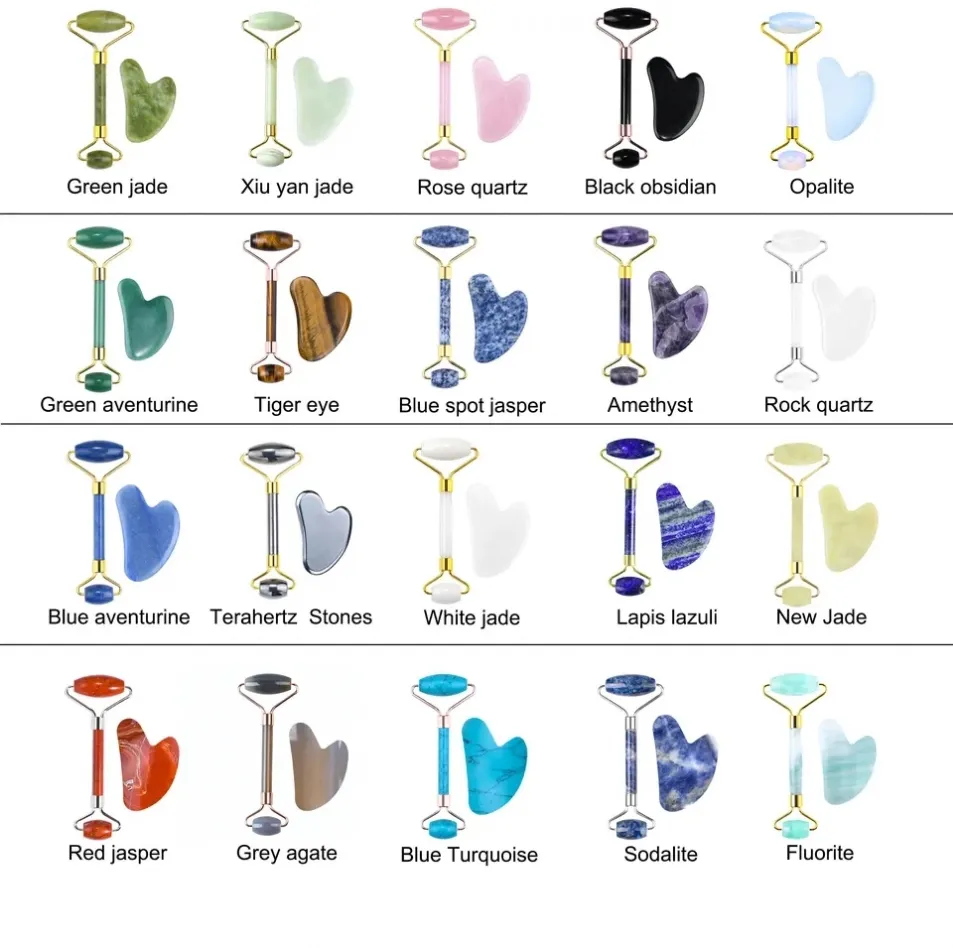
Natural crystal is the luxury end of the list. Every crystal is naturally cool to the touch, with no chemicals and no dye, and each type of crystal carries its own look and its own meaning that buyers ask about: rose quartz, green aventurine and lapis lazuli are the three most requested, and each one reads differently on a shelf. The light, almost translucent finish and the high, polished shine give the tool a luxury look that suits a high-end skincare gift box, where the tool is part of the gift rather than a free extra. Because each stone is natural, the colour and the pattern vary from piece to piece, so a buyer ordering crystal should ask for a sample first and agree on the acceptable range of variation before production. The confirmed price range for natural stone is 0.69 to 5.99 US dollars per piece EXW for orders of 200 to 5,000 pieces, with the exact price depending on the stone and the shape.
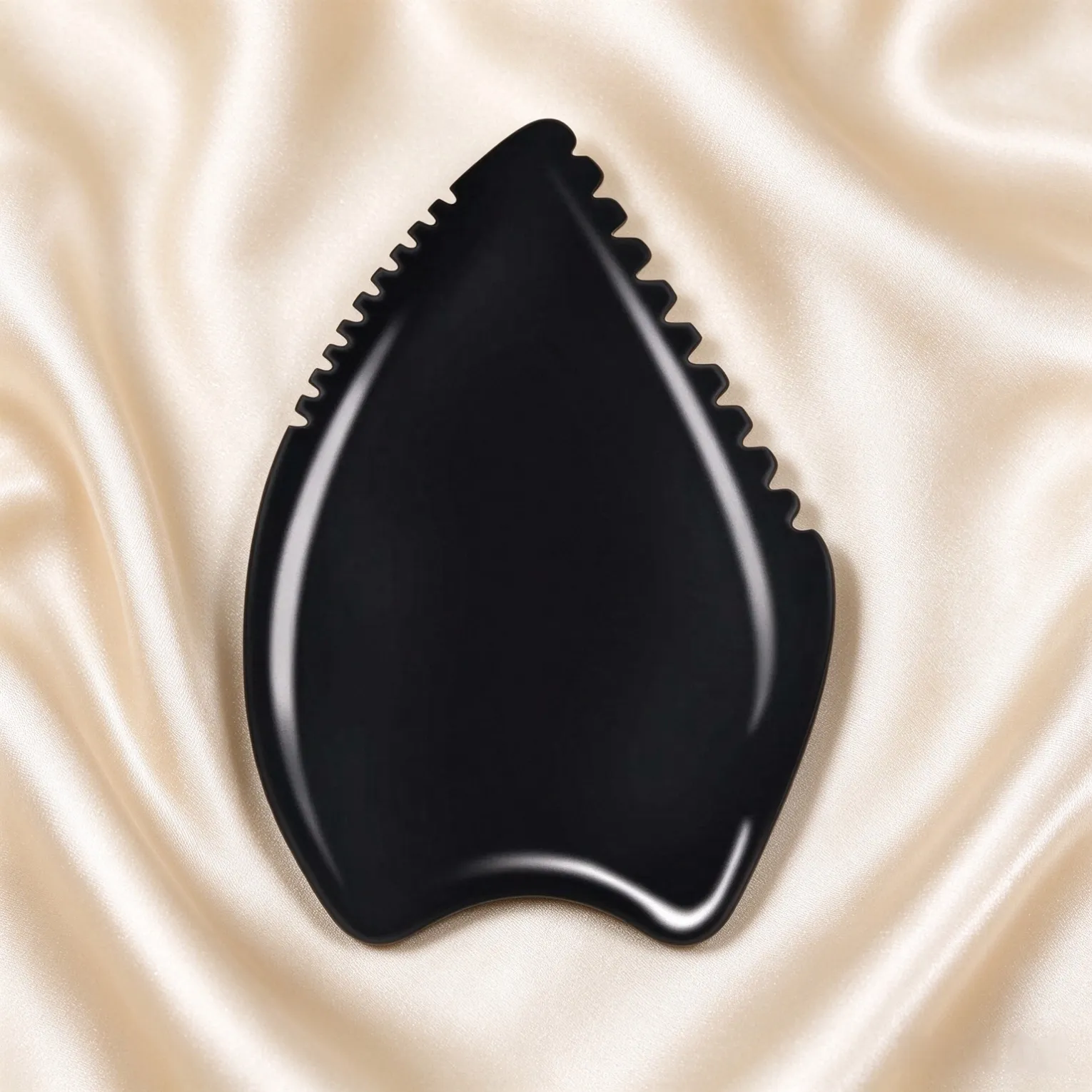
3. 100 percent natural bian stone
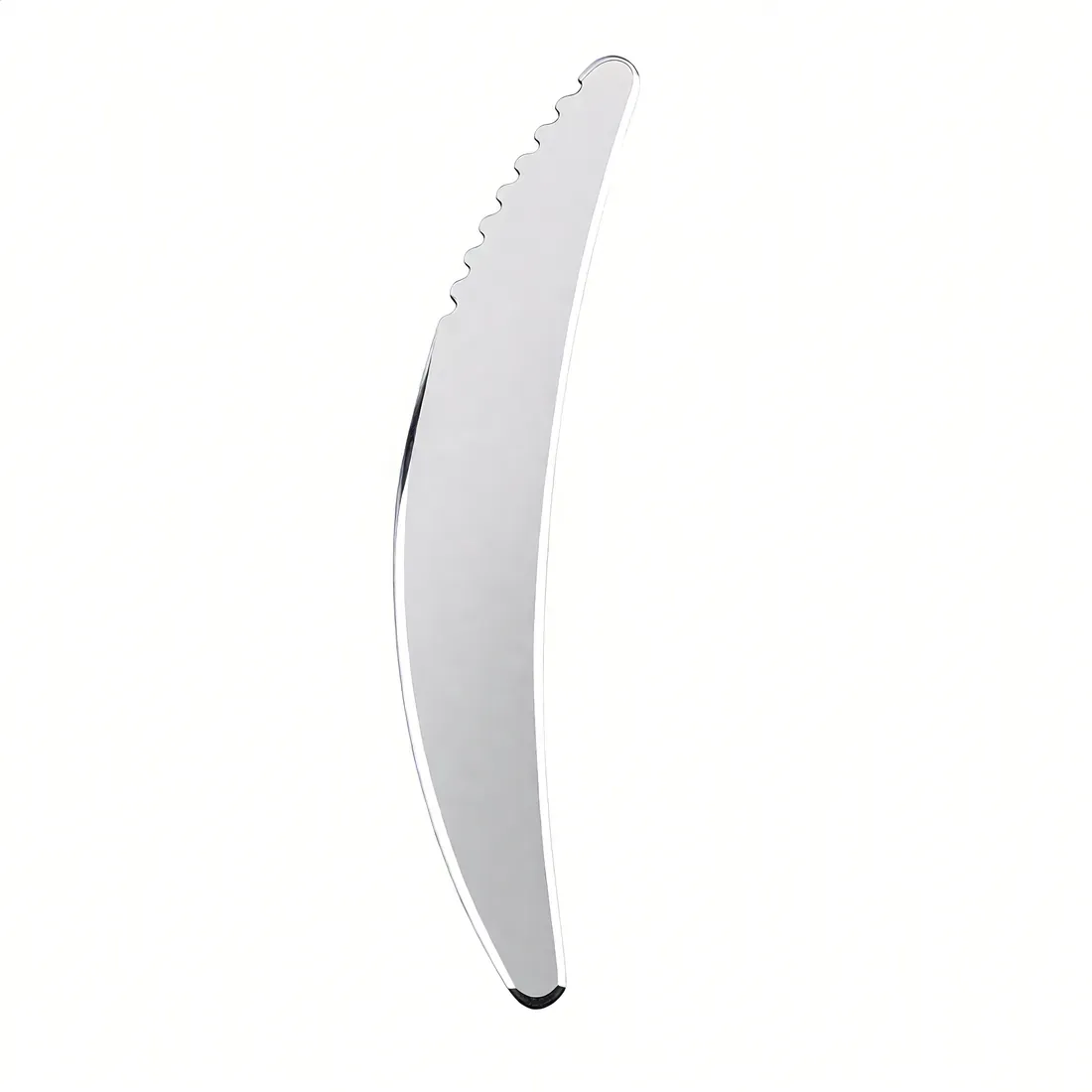
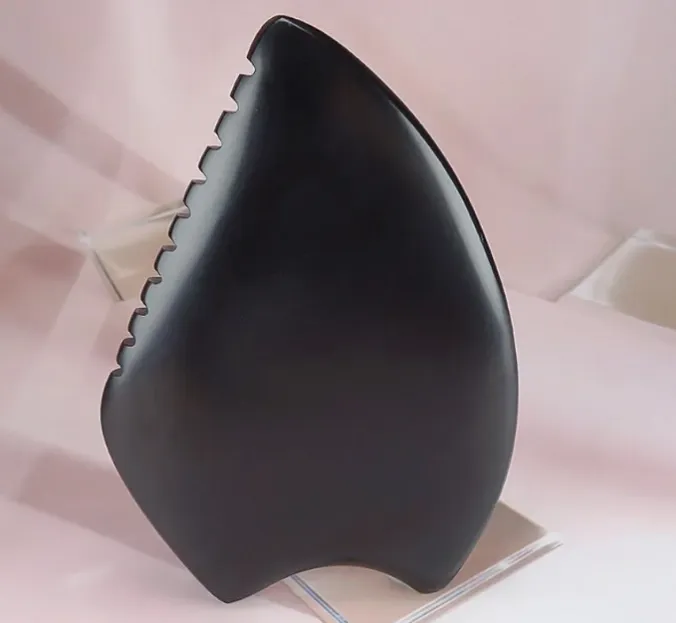
Bian stone is the traditional material of the list, and it behaves differently from crystal. It is softer than crystal, so it is easier to cut into irregular and serrated shapes, and a custom shape in bian stone is the most flexible custom order in the stone range. Buyers ask about bian stone for its traditional associations, including far-infrared and ultrasonic energy, and for its natural, unpolished texture, which reads as an authentic, untreated stone rather than a cut gem. It suits facial lifting and meridian work, where the edge has to follow the jawline and the neck without slipping. A custom bian stone shape starts at 200 pieces, which is the lowest custom-shape minimum in the stone range, and the confirmed price range is 0.78 to 5.89 US dollars per piece EXW for orders of 200 to 5,000 pieces.
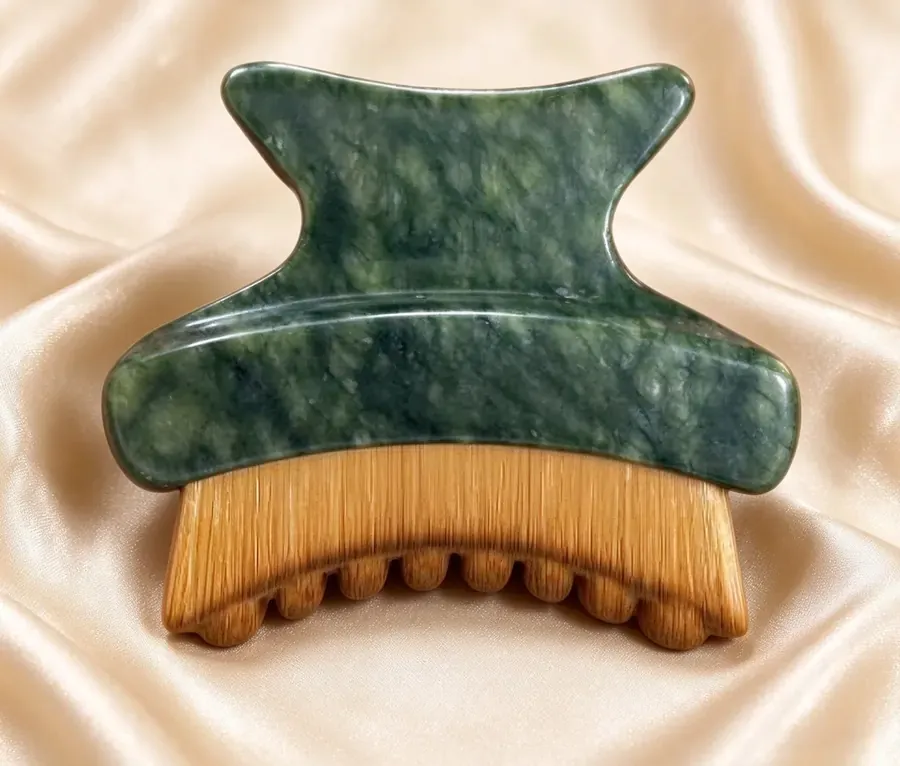
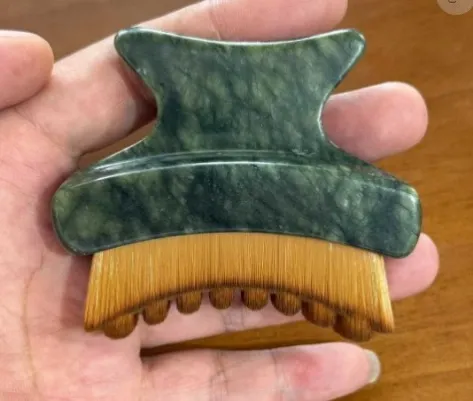
4. Two-in-one jade lymphatic brush
The fourth tool is a new two-in-one design: a lymphatic brush with a handle made of natural jade. The brush end is soft enough for dry brushing the face, and the jade handle works as a gua sha tool with facial oil, so one tool covers two steps of a routine that a customer would otherwise need two tools for. The combination suits a brand that wants a single hero product for a facial ritual, rather than a set of separate pieces, and the natural stone handle gives the tool a weight and a cool touch that a plastic handle cannot copy. Because this is a newer line, the price is quoted per style and quantity, and a buyer should send the shape, the jade type and the target quantity with the inquiry so the quotation matches the actual tool.
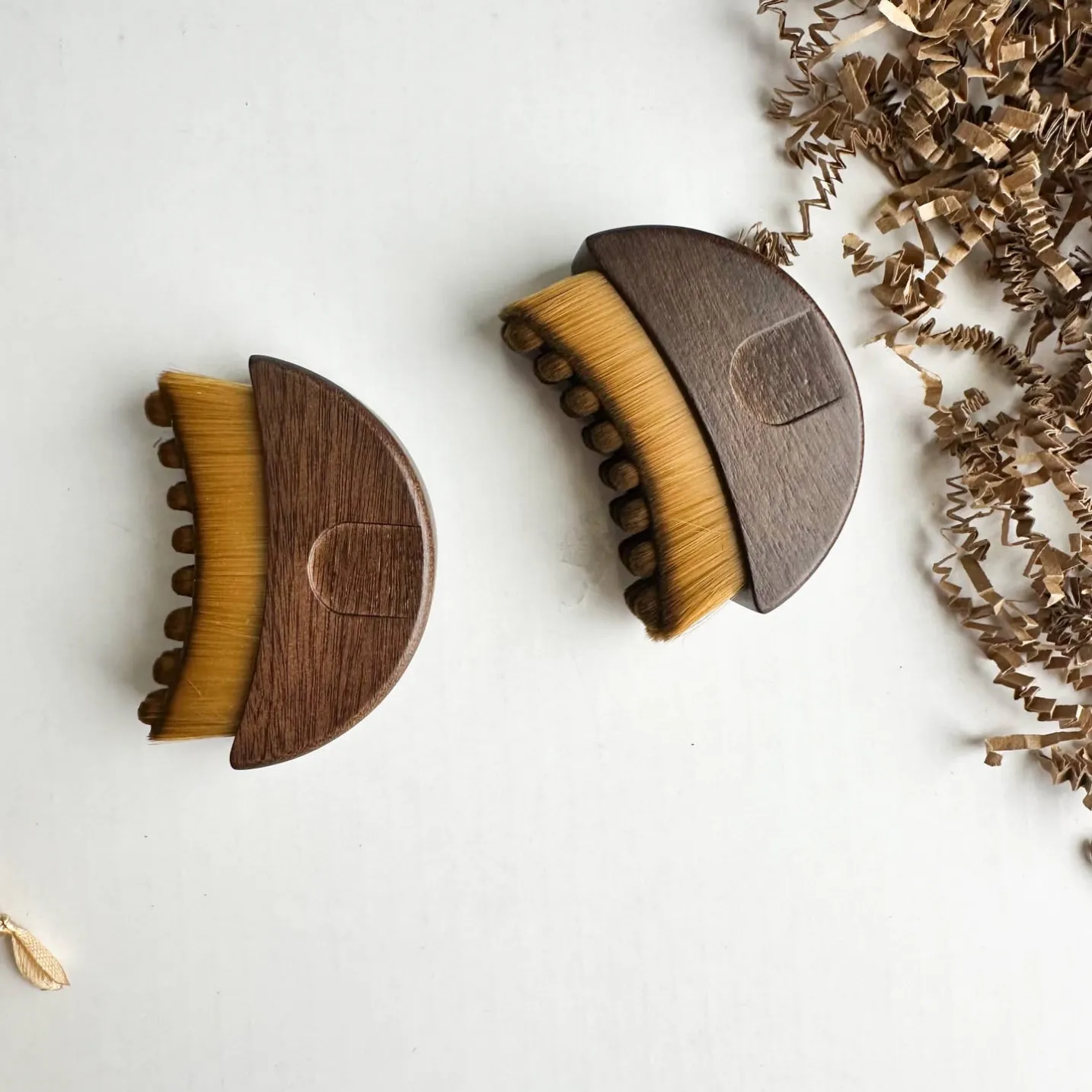
5. Lymphatic brush with a natural wood handle
The fifth tool is the simpler lymphatic brush: a natural wood handle with a soft brush head. The wood gives the tool a warm, natural feel that suits a brand built on natural ingredients and a clean, unprocessed look, and the soft bristles are gentle enough for daily facial dry brushing. A laser-engraved logo can be put on the wood handle, which keeps the branding subtle and in keeping with the high-end, natural positioning of the tool. This brush works as a companion to a gua sha board in a set, or on its own as a low-cost entry product for a customer who is new to facial tools. The price is quoted per style and quantity, because the handle wood, the brush density and the logo method all change the cost.
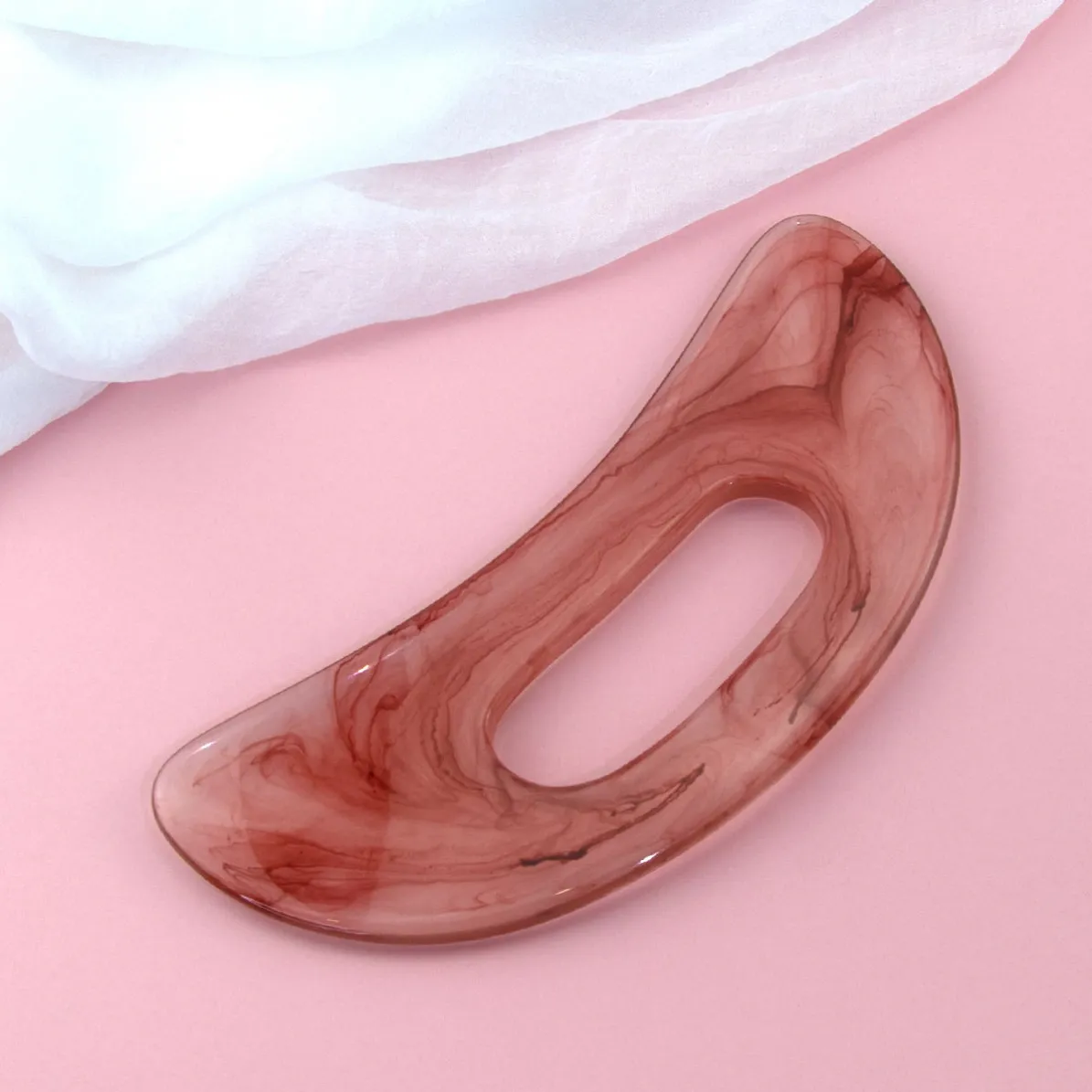
6. Resin body gua sha
Resin is the promotional end of the list, and it is the tool to order when the quantity is large and the budget is small. A resin body board is light in the hand and light in transit, it can be moulded into almost any shape at a low mould cost, and it will not chip or snap if it is dropped, so it survives a gift box, a subscription box and a giveaway without the protective packing that stone needs. The price is the lowest in the range, which is why brands order resin for promotions, gift-with-purchase programmes and bundled giveaways where the tool is given away rather than sold. The confirmed price range is 0.59 to 3.99 US dollars per piece EXW for orders of 200 to 5,000 pieces, and custom colours are matched to the brand palette.
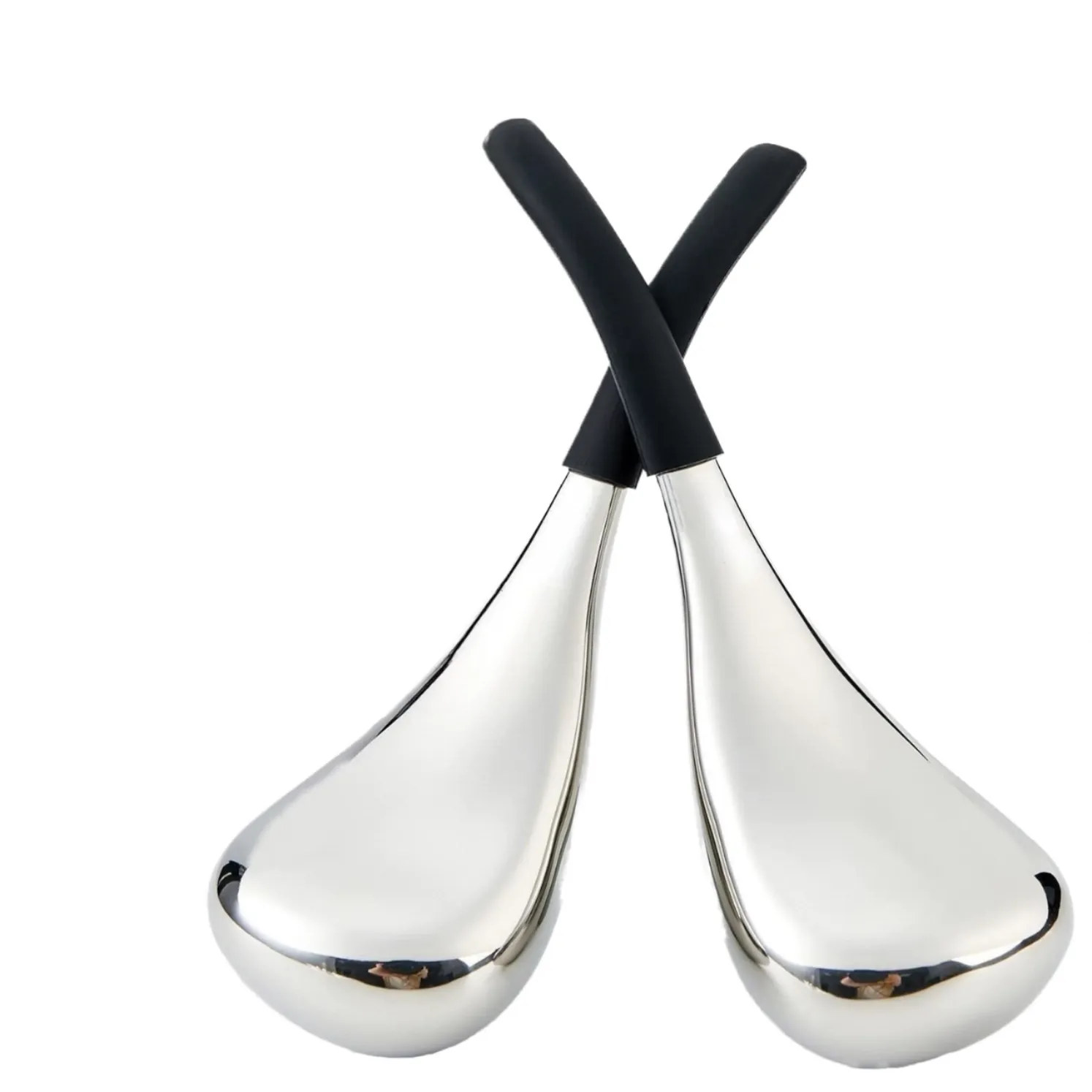
7. 304 stainless steel ice globes
Ice globes are the cold-therapy tool of the list. Each globe holds a freezing liquid inside, so it goes in the fridge and comes out cold, and the cold surface is rolled over the face to reduce puffiness after a treatment or in the morning. The 304 stainless steel shell does not break, does not rust and is easy to disinfect between clients, which is why beauty salons order ice globes for treatment rooms where a tool has to be cold, clean and ready for the next client. A pair of globes fits naturally into a facial treatment set alongside a steel gua sha board, and the same steel, the same cleaning routine and the same logo method cover both tools. The confirmed price range is 1.49 to 5.99 US dollars per piece EXW for orders of 200 to 5,000 pieces.
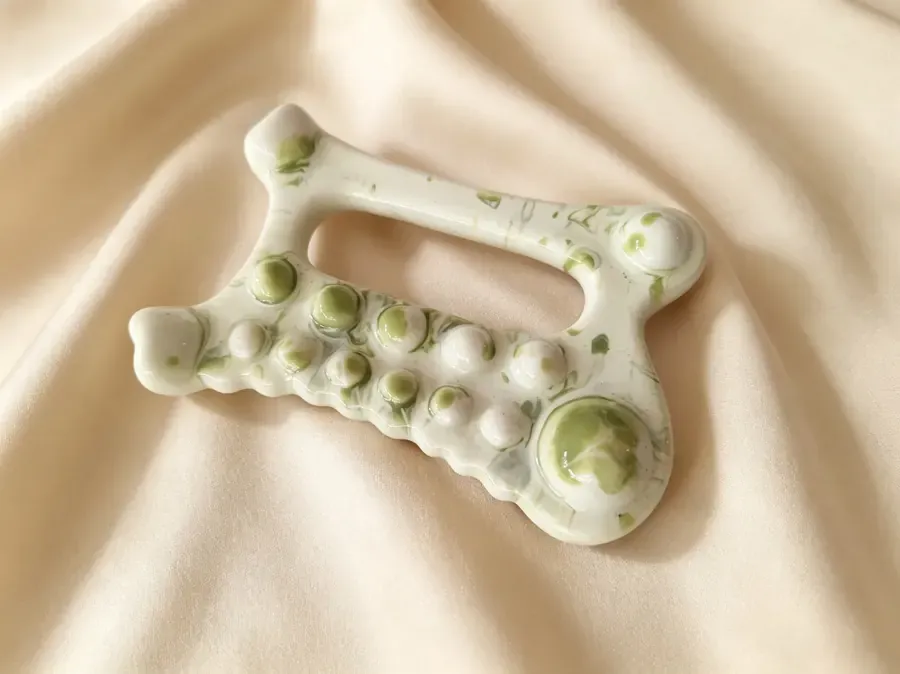
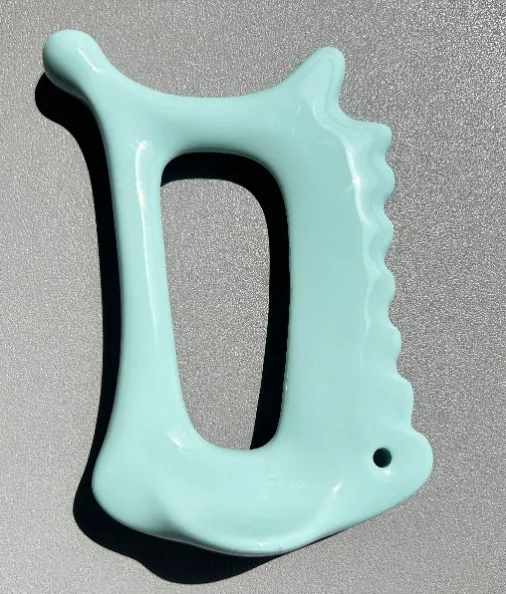
8. Ceramic gua sha
Ceramic is the colour tool of the list. A glazed ceramic board has a high-end feel, a fine and smooth touch, and a cool temperature that stays stable through a treatment, and the glaze can be matte or glossy, in almost any colour a brand asks for. That colour control is the reason brands order ceramic when the tool has to match a palette, a seasonal collection or a gift box, because the glaze is mixed to order rather than found in nature. The surface is non-porous and easy to wipe clean, and the shape can be customised more freely than a cut stone, since the ceramic is formed before it is fired. The confirmed price range is 1.49 to 5.49 US dollars per piece EXW for orders of 200 to 5,000 pieces, with a custom shape starting at 1,000 pieces because a mould is required.
9. Two-in-one composite roller and scraper
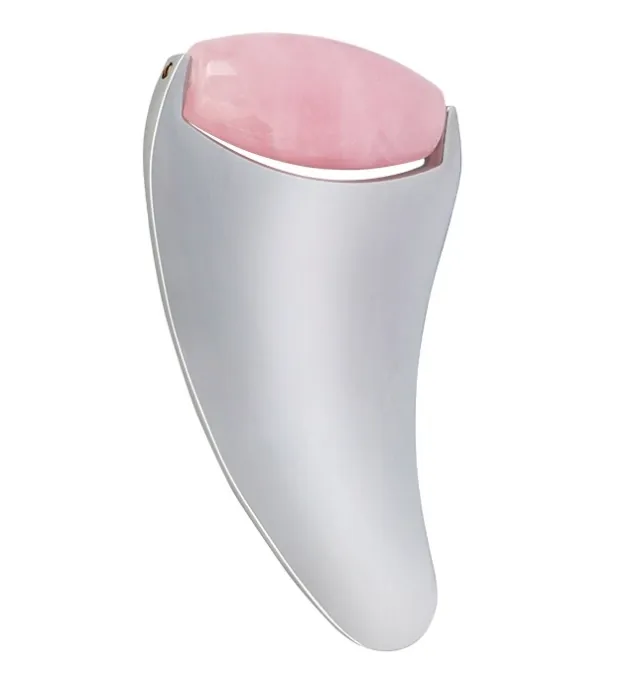
The ninth tool is a two-in-one composite: a roller on one end and a gua sha scraper on the other, in a single tool. The roller uses natural rose quartz, which stays cool against the skin, and the scraper is a nickel-free zinc alloy with a high-end metallic finish, so the tool combines the cool touch of stone with the weight and the shine of metal. The combination is deliberately different from a plain board, which gives a brand a product that stands out on a shelf and a reason to price it above a single-function tool. Both functions are customisable, so a buyer can ask for a different stone, a different alloy finish or a logo on the handle. Because the tool combines two materials, the price is quoted per style and quantity rather than from a single material range.
10. Hand-woven natural crystal eye mask
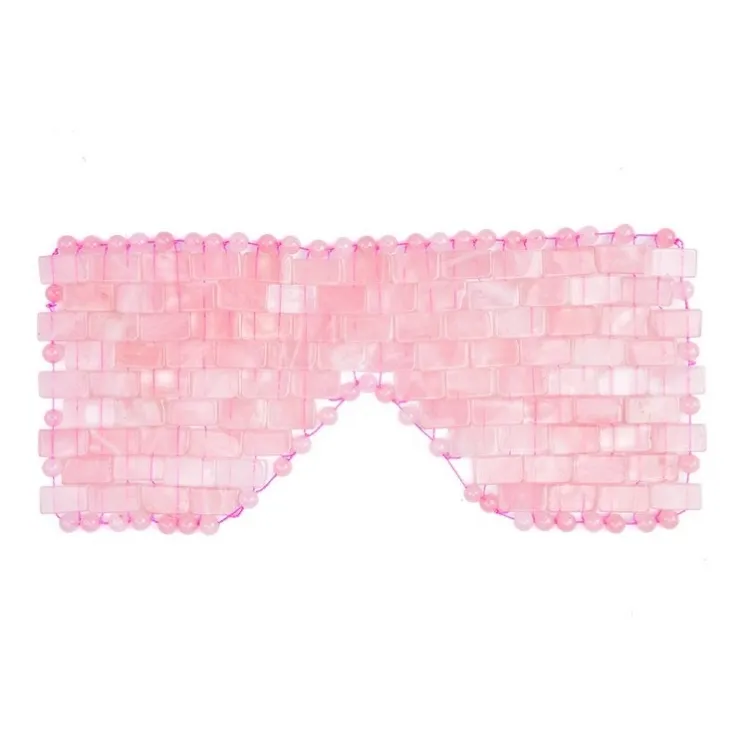
The tenth tool is the most specialised: a hand-woven eye mask made from natural crystal beads. It sits over the eyes to soothe tired eyes and reduce puffiness, and the weight of the crystal and its natural coolness do the work without any battery, gel or freezing step. Each mask is woven by hand, so no two are exactly alike, and the tool suits a premium eye-care set or a spa retail shelf where the customer is buying a ritual rather than a single-use product. The mask is the quietest item on the list and the easiest to overlook, and it is also the one a buyer should sample first, because the weave, the bead size and the fit around the eyes decide whether the customer will use it twice. The price is quoted per style and quantity.
What to check before you order
Four checks save more money than any choice of shape. The first is the minimum order, and it depends on what is being customised: a custom bian stone shape starts at 200 pieces, a custom shape in other stone starts at 500 pieces, and a custom stainless steel or ceramic shape starts at 1,000 pieces because a mould is required. A stock shape with a laser logo starts at 200 pieces per model, a silk-screen logo starts at 1,000 pieces, and a gift box or a printed pouch starts at 500 pieces. A first order of 100 pieces is possible on in-stock and regular styles if the sales team confirms the style qualifies, but a custom shape always follows the tiered minimums above. The second check is the clock: an unbranded stock order can ship in as little as 3 days, a branded stock order takes 25 to 30 days after the artwork is approved, a laser sample takes 1 to 3 days and a silk-screen sample takes 7 to 10 days, so the lead time is counted from artwork approval, not from the day the inquiry is sent. The third check is the price: the ranges in this guide are for orders of 200 to 5,000 pieces, the logo and the packaging are quoted separately per style and size, and stainless steel 316 is quoted per style rather than from a published range, so a quotation has to name the style and the quantity to be meaningful. The fourth check is the fit between the material and the job: crystal for a luxury gift box, steel for a treatment room, resin for a promotion, ceramic for a colour-matched collection, and a brush or a composite tool where the customer wants two functions in one product. A tool that is right for the wrong job will cost more, break more, or sit unsold, and none of those problems can be fixed by changing the shape after the order is placed.
What to send with your inquiry
Send one message with the tool, the material, the shape and size, the quantity, the logo method and the destination market, and add the date the goods are needed, because the lead time is counted from artwork approval. Ask for a sample first when the material varies from piece to piece, as natural crystal does, or when the tool is new to your range, as the lymphatic brush and the composite roller are, and approve the sample before production starts. We will reply with a quotation within 24 hours, with the price for your shape and quantity, the minimum order, the lead time and the sample plan. Get a quote through our contact page, or message us on WhatsApp, and start with the sample that matches the tool you plan to sell.