Services Overview
How to Choose a Wholesale Beauty Tools Supplier for Your Online Brand
Learn how to evaluate a wholesale beauty tools supplier for product range, MOQ, samples, private label, packaging, quality and shipping.
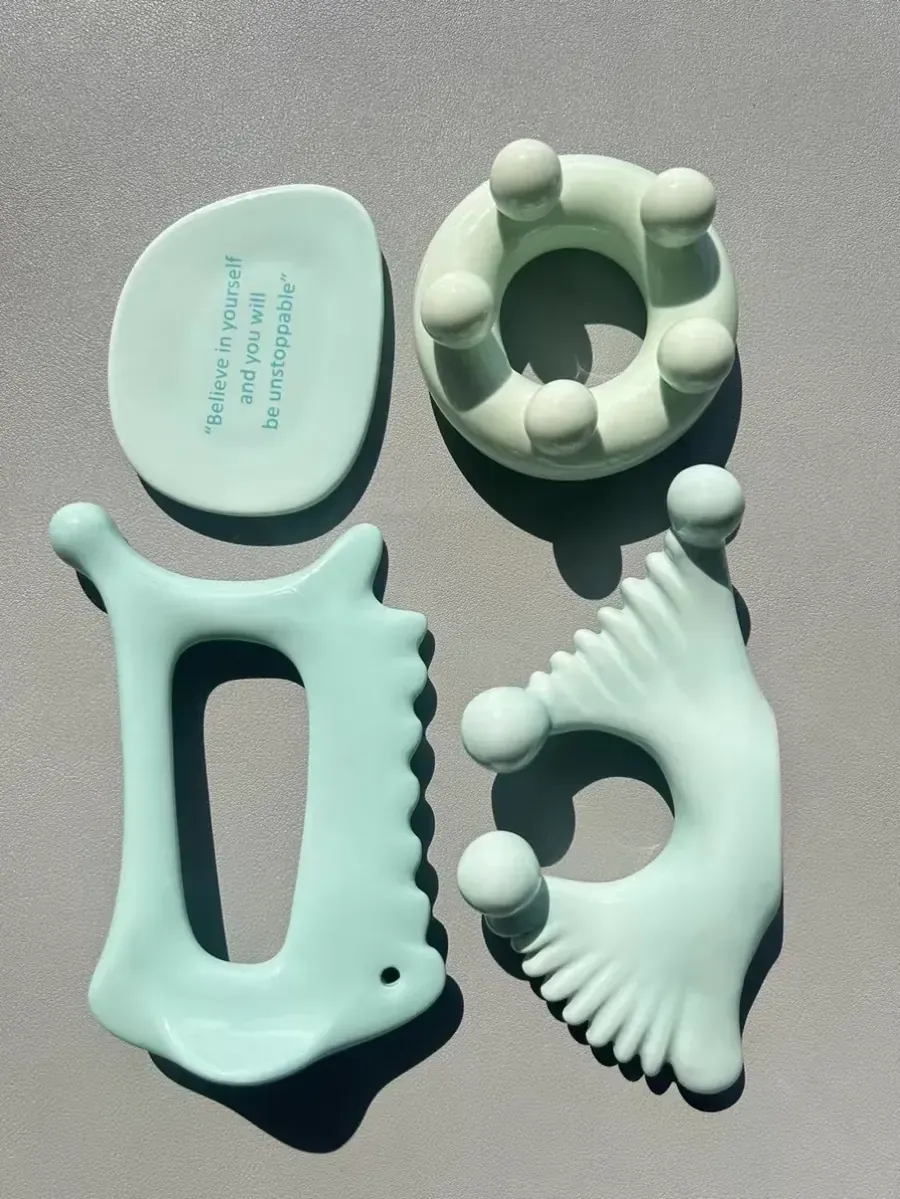
Finding a wholesale beauty tools supplier is easy.
Finding the right supplier is much harder.
For an online beauty brand, the supplier needs to support not only your first order but also your future growth.
1. Look Beyond One Product
A supplier that offers multiple categories can help you expand later.
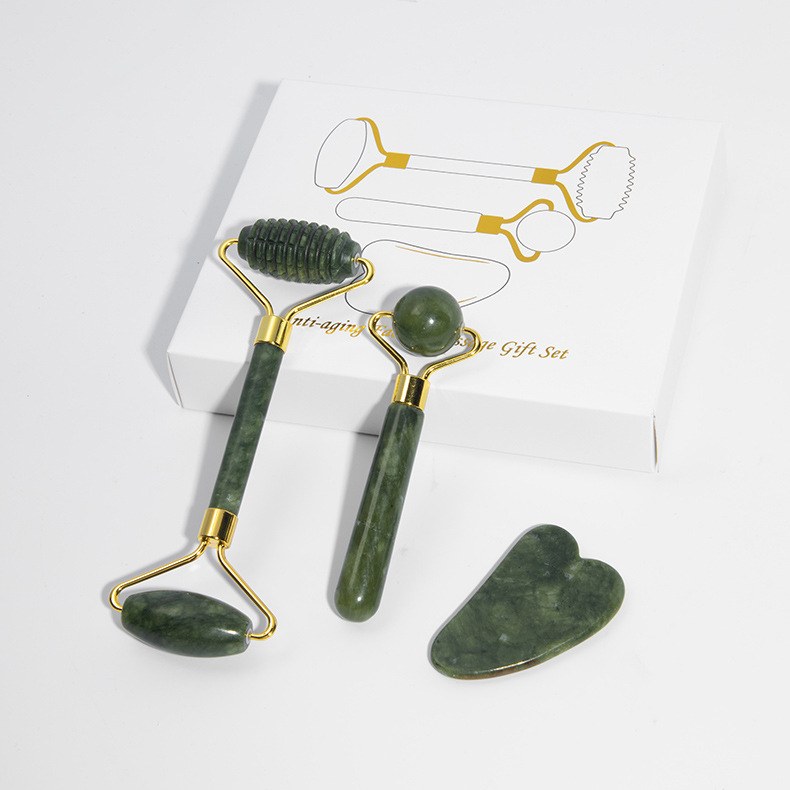
Range depth: a roller, an eye roller and a board from the same material family
For example:
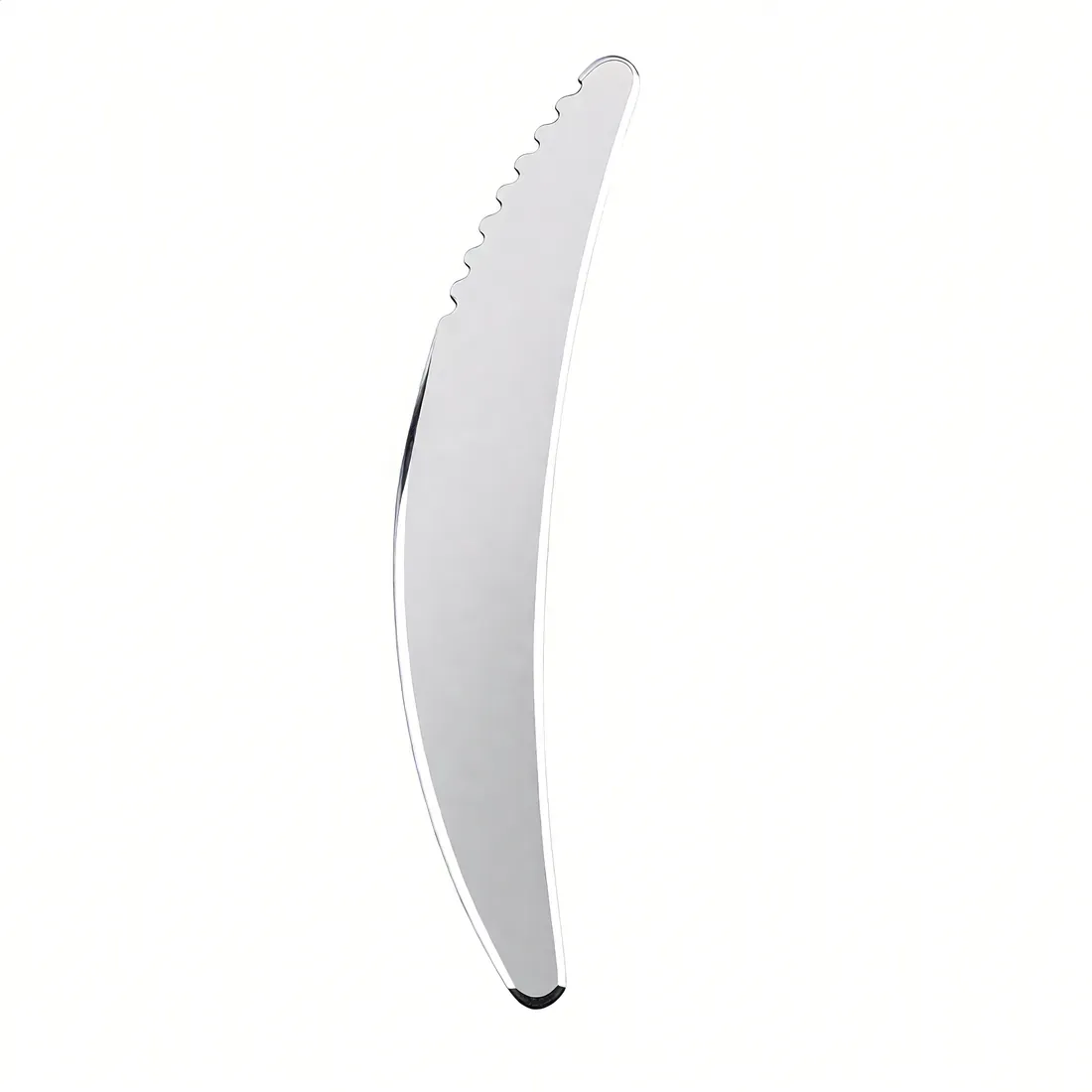
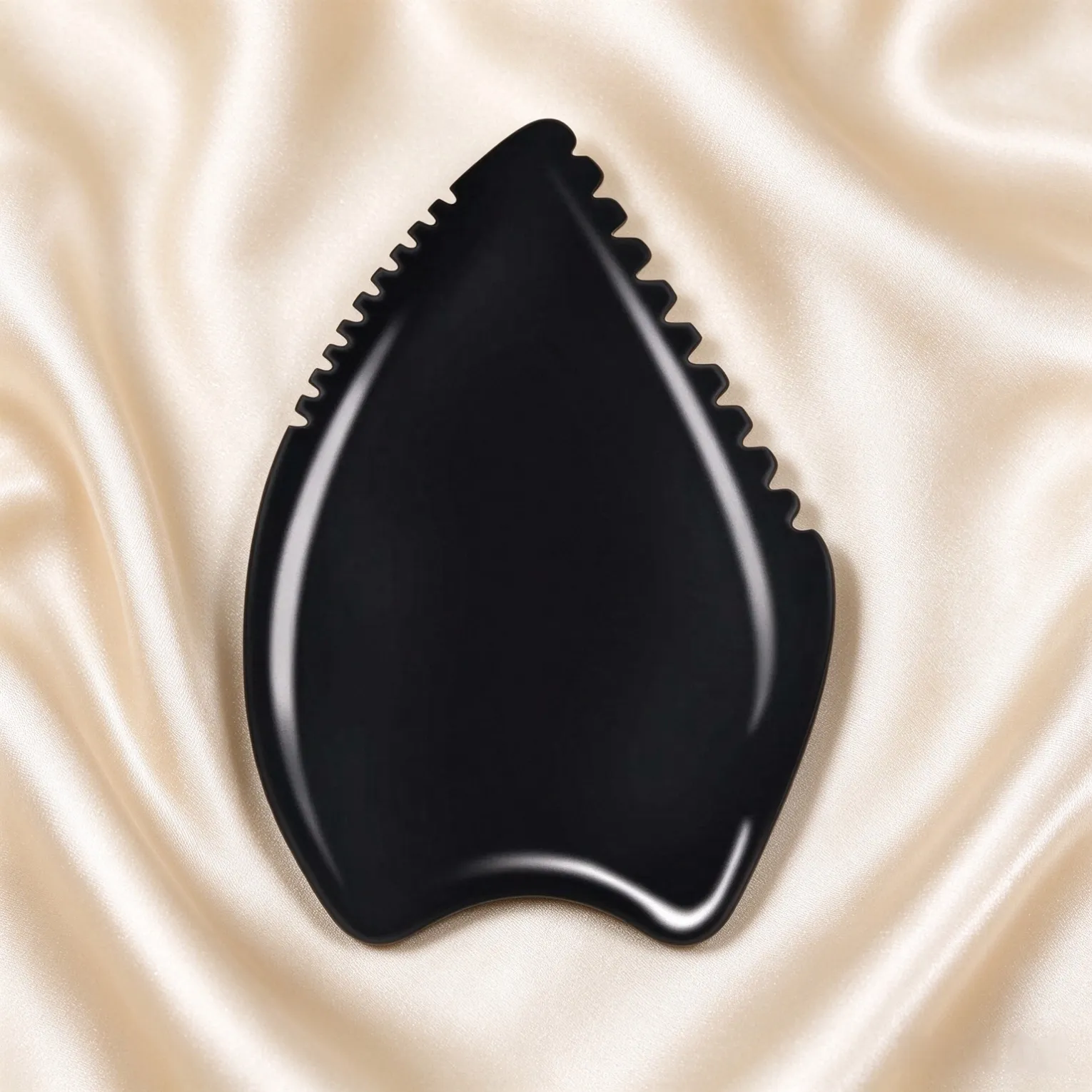
Gua Sha
Jade rollers
Rose quartz eye masks
Facial massage tools
Body tools
Scalp tools
Gift sets
Packaging is also a logistics decision. A rigid box that looks premium in a photograph but crushes in transit costs more than the box. Ask how the supplier packs for export, whether the insert holds the tool without movement, and whether the outer carton is specified for the shipping method you intend to use.
Range depth matters more than range size. A supplier with forty variations of the same gua sha board is less useful than one with six genuinely different categories, because the second lets you build a shelf rather than a single product. Ask for the category list first, then the shapes within it.
2. Check MOQ
Ask whether the supplier can support your current stage.
You may start with a small trial order and increase quantity as sales grow.
Ask specifically how the minimum changes between stock shapes and custom shapes, and between one logo method and another. A single headline MOQ figure usually hides three or four tiers, and the tier that applies to you depends on decisions you have not made yet. Getting that structure up front prevents a quote that turns out to be for the wrong configuration.
3. Ask for Samples
Never rely entirely on photographs.
Evaluate the physical product.
A sample answers questions a photograph cannot: how the weight sits in the hand, whether the edge is uniformly polished all the way round, whether the logo catches light the way you expected. Budget for more than one sample if you are choosing between materials, because the comparison is the useful part.
4. Check Customization
For many small brands, light customization is enough:
Logo
Pouch
Box
Instruction card
The cheapest branding is often the most effective. A well-printed card explaining how to use and clean the tool adds perceived value at negligible cost, and it is the only part of the package a customer keeps. Brands that skip it usually end up answering the same usage questions by email.
5. Ask About Materials
Your supplier should be able to explain material options clearly.
For example:
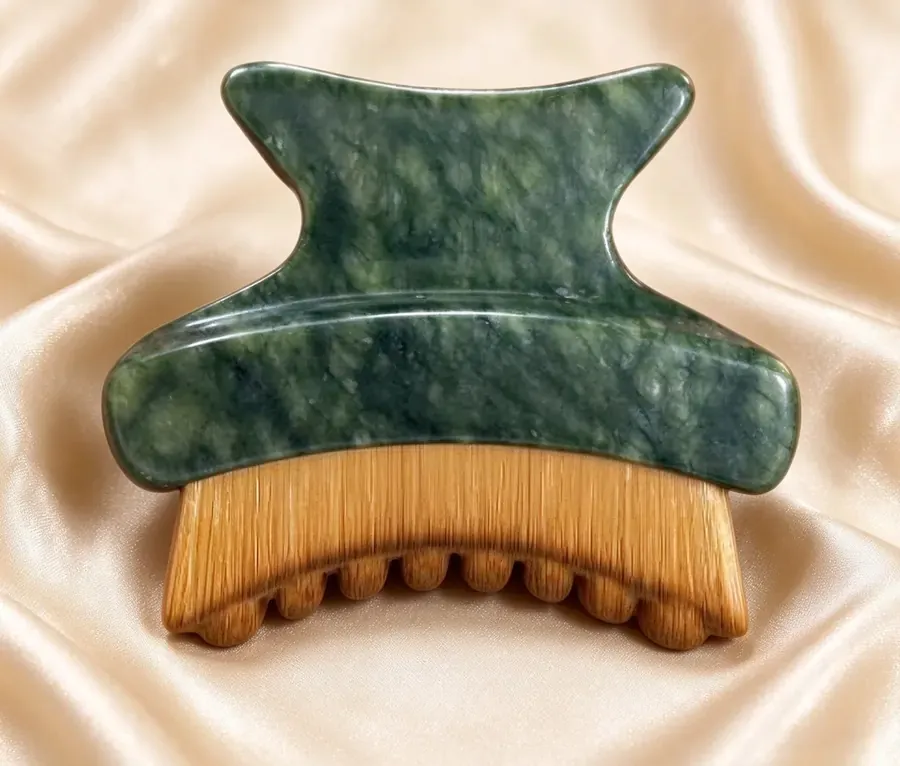
Jade
Rose quartz
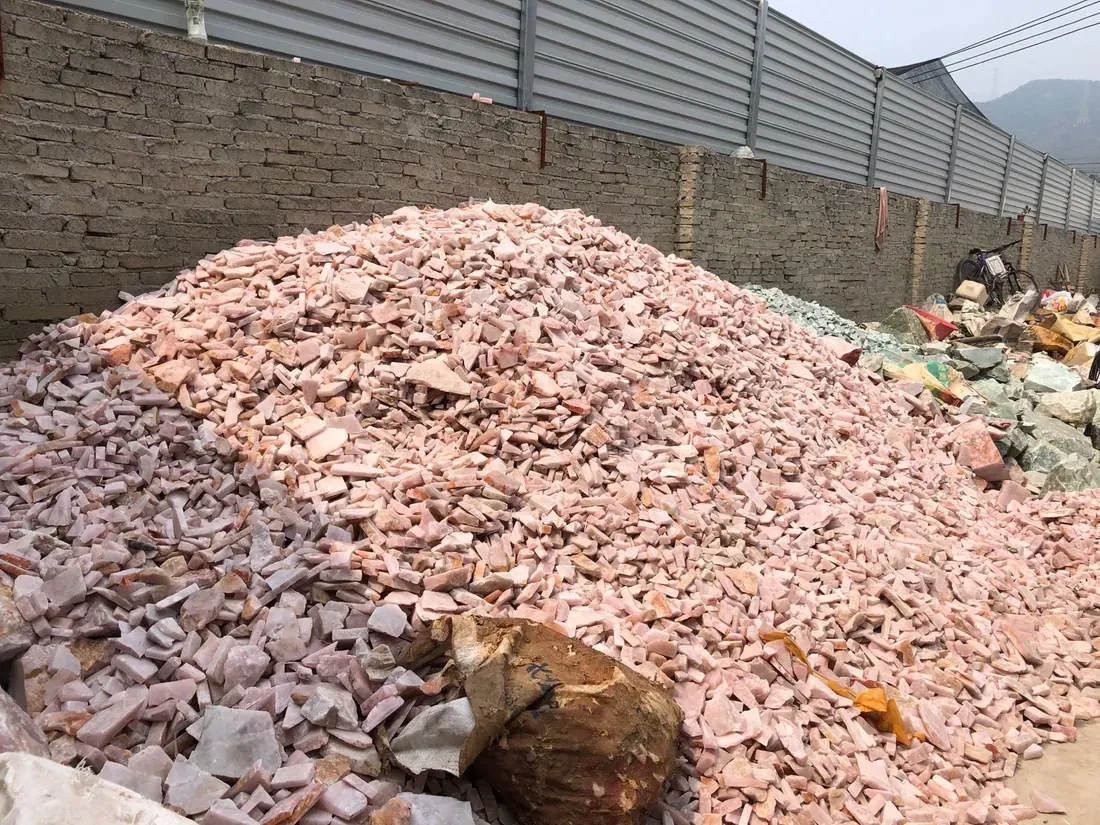
Bian stone
Stainless steel
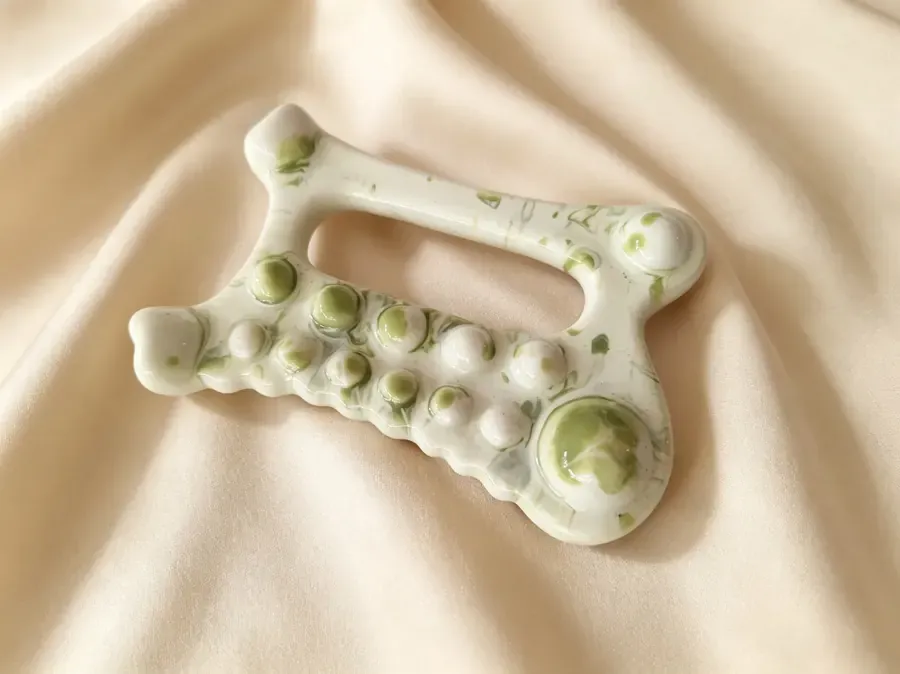
Ceramic
Terahertz stone
Ask each material question the same way: what is it, what does it feel like, and what can go wrong. A supplier who can explain the difference between Xiuyan jade and nephrite, or why bian stone is heavier than jade at the same volume, is describing products they actually handle. Vague answers about "natural stone" usually mean the supplier is not close to production.
6. Ask About Packaging
Packaging is part of your customer experience.
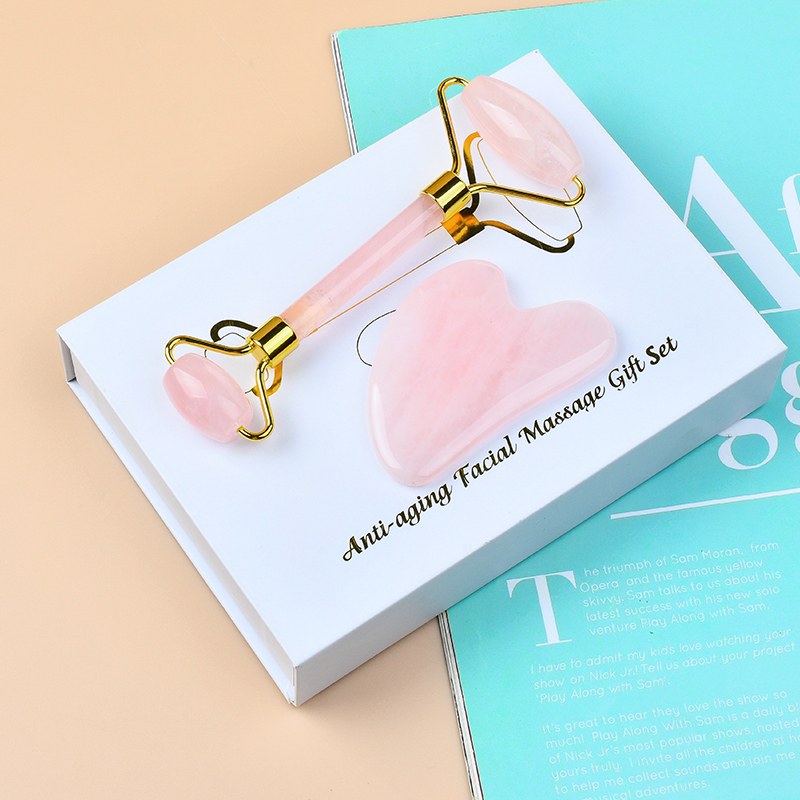
Retail-ready packaging photographed as the customer receives it
Ask whether the supplier can provide:
Branded pouches
Paper boxes
Magnetic boxes
Inserts
Gift sets
7. Check Shipping Support
A professional export supplier should be able to discuss shipping to your warehouse or logistics partner.
For some buyers, shipment to Amazon FBA may also be relevant.
Ask about documentation as well as freight: commercial invoice, packing list, and the material declarations your market requires. A supplier who has exported to your country before will already know which certificates are needed; one who has not will discover the gap at the port, which is the most expensive place to discover it.
8. Evaluate Communication
Ask yourself:
A good supplier should recommend suitable products rather than simply send a long price list.
Test this directly: describe your customer and ask what they would recommend. A supplier who asks two or three questions before answering is doing the work. One who replies with a catalogue attachment has told you what kind of relationship to expect.
9. Think About Reorders
Your supplier should be able to support your business after the first order.
The real relationship begins when you start reordering.
Reorder quality is the honest test of a supplier. The second order should match the first, which only happens if a reference sample was kept and specifications were written down. Ask early how the supplier stores and references approved samples, because that answer predicts everything about order three.
10. Choose a Supplier That Fits Your Business Stage
A startup may need:
Low MOQ + samples + logo + simple packaging
A growing brand may need:
Multiple products + private label + gift sets
A distributor may need:
Large volume + mixed collections + export support
The supplier should be flexible enough to support different stages.
Mismatched stage is the most common wasted year for a small brand. A distributor-grade supplier will not take a 200-piece order seriously, and a startup-grade supplier may not have the export machinery a distributor needs. Choose the supplier for the stage you will be in twelve months from now, not the one you are in today.
Why Work With a Wholesale Beauty Tools Partner?
Alison Gua Sha Factory supplies gua sha tools, jade rollers, crystal masks, natural stone products and private-label beauty tool collections for beauty brands, spas, Amazon sellers, wellness retailers and distributors.
The focus is not simply on selling one product.
It is on helping buyers choose the right combination of:
Product + Material + Quantity + Logo + Packaging + Shipping
Ready to Source?
Tell us:
Which products you are interested in
Your target quantity
Whether you need a logo
Your packaging requirements
Your shipping country
Your sales channel
We can then recommend a practical wholesale solution instead of sending you a generic catalog.
Request the Wholesale Gua Sha & Beauty Tools Catalog ��
Related reading: , , and .