Services Overview
How to Choose a Wholesale Beauty Tools Supplier for Your Brand
A practical checklist for vetting a wholesale beauty tools supplier: range depth, in-house production, order structure, customisation and lead times.
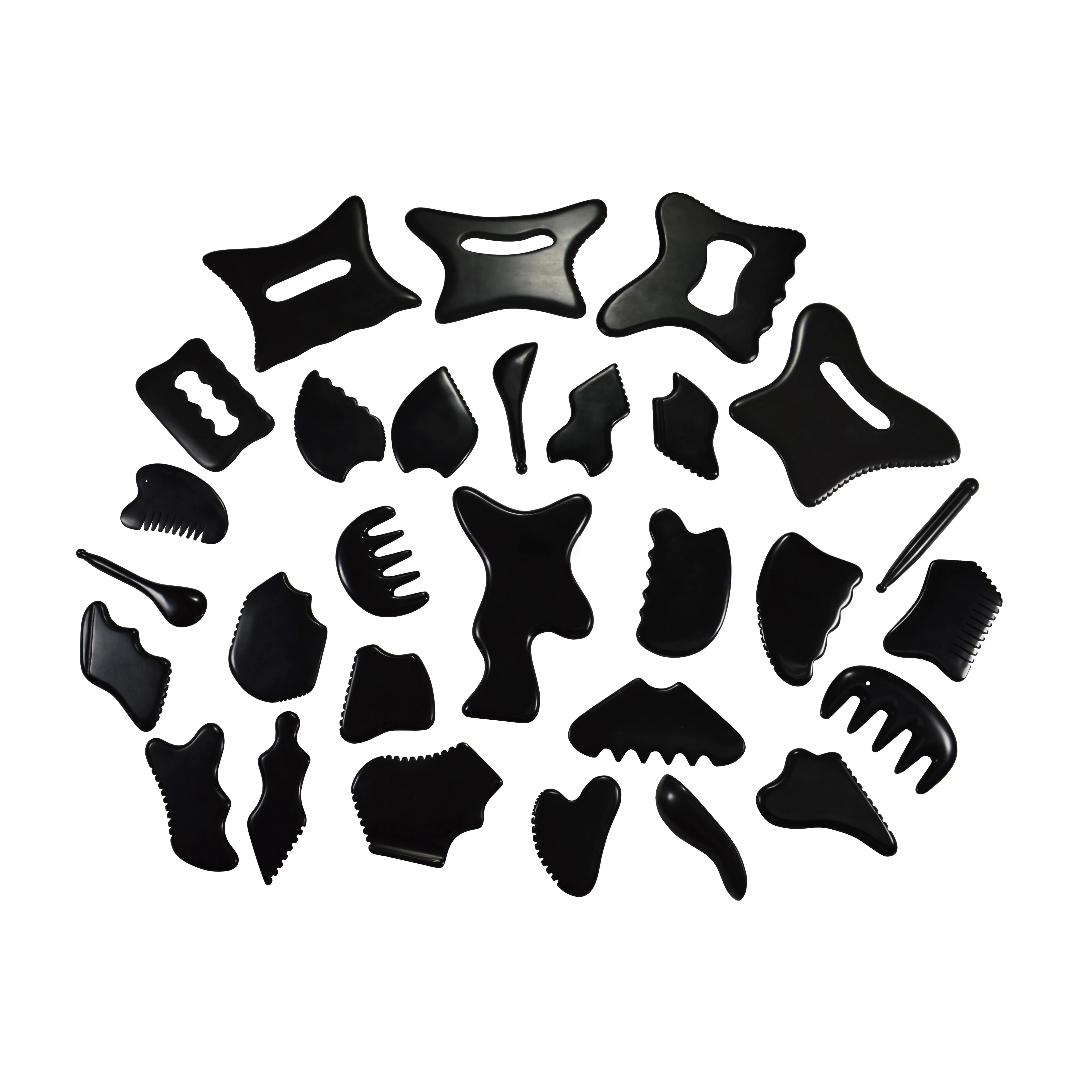
.Choosing a wholesale beauty tools supplier is a decision that stays with a brand for years. The implements set the perceived quality of everything else in the range, and changing later means new tooling, new photography and a fresh round of customer education. This guide sets out the checks that separate a partner who can grow with you from one who can only fill a first order.
It is written for buyers building a private label line: brand owners, retail buyers and marketplace sellers who need consistent shapes, reliable finishing and packing that survives an international parcel network.
Start With the Range, Not the Price
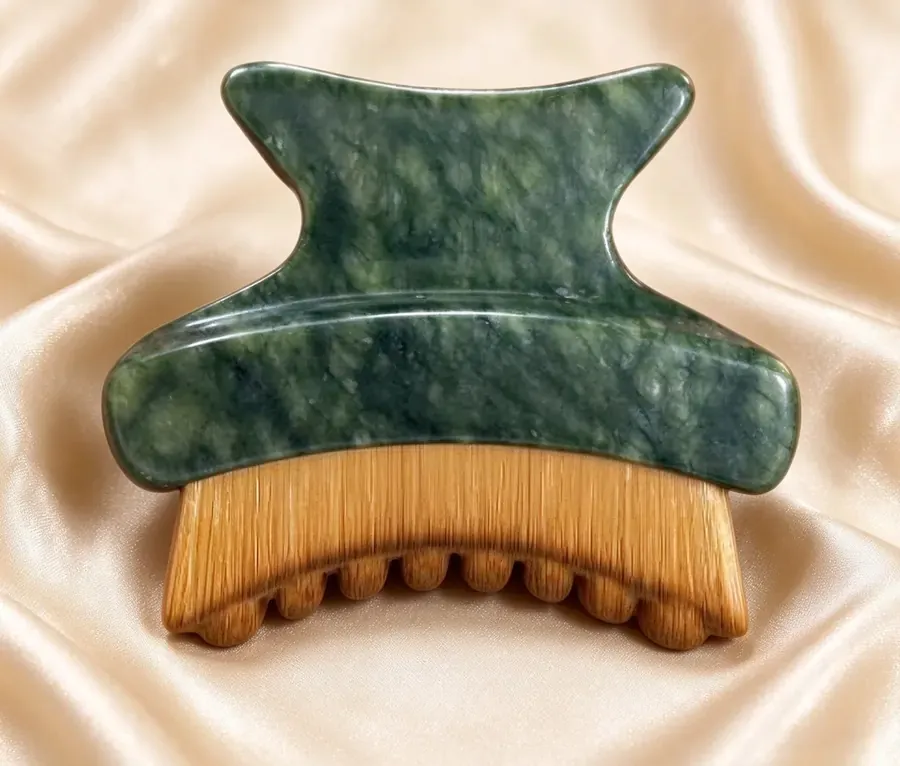
A wholesale beauty tools supplier holding twenty shapes in stock can usually ship a first order within two weeks. A supplier with two shapes may quote a lower unit rate but cannot support a range launch. Ask for a shape sheet with dimensions and weights, then check whether the catalogue covers facial boards, body implements and comb styles, because a buyer sourcing three categories from three vendors carries three sets of shipping documents and three quality standards.
Range depth also decides how much of a launch can be tested. Brands that start with four shapes and add two per quarter need a catalogue that keeps pace, and they need the new shapes to share the same material and finish so the range looks like one family on a shelf.
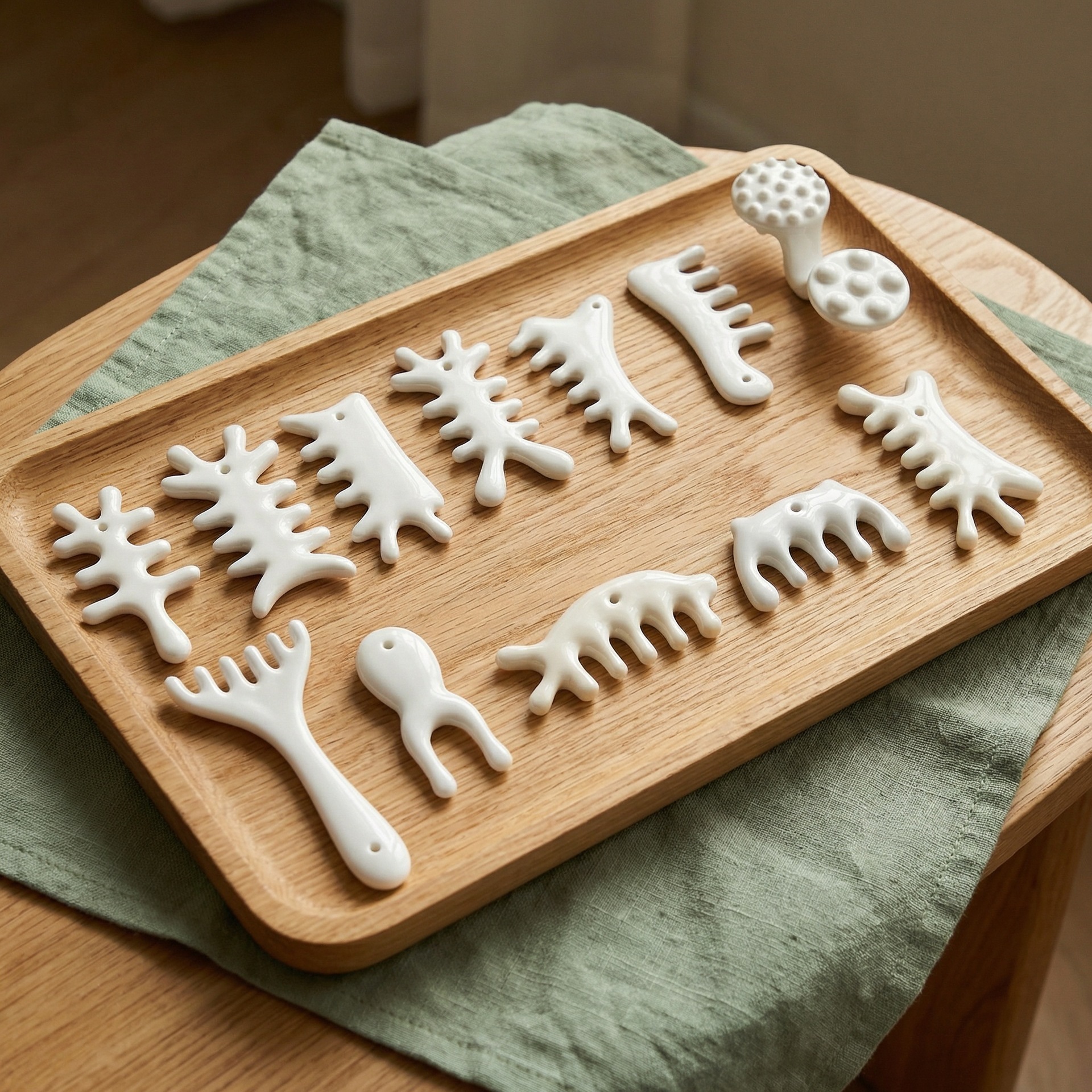
Questions worth asking about the range
- How many shapes are held in current moulds, and how many would need new tooling?
- Do the shapes share one material and finish, or does each come from a different workshop?
- Can photographs and dimension drawings be supplied for marketplace listings?
What a Wholesale Beauty Tools Supplier Should Prove Before Sampling
A sample proves what a factory can make once. The questions below establish what it can repeat a thousand times, and they are the questions a wholesale beauty tools supplier should answer without asking for time to check.
Ownership of the production steps
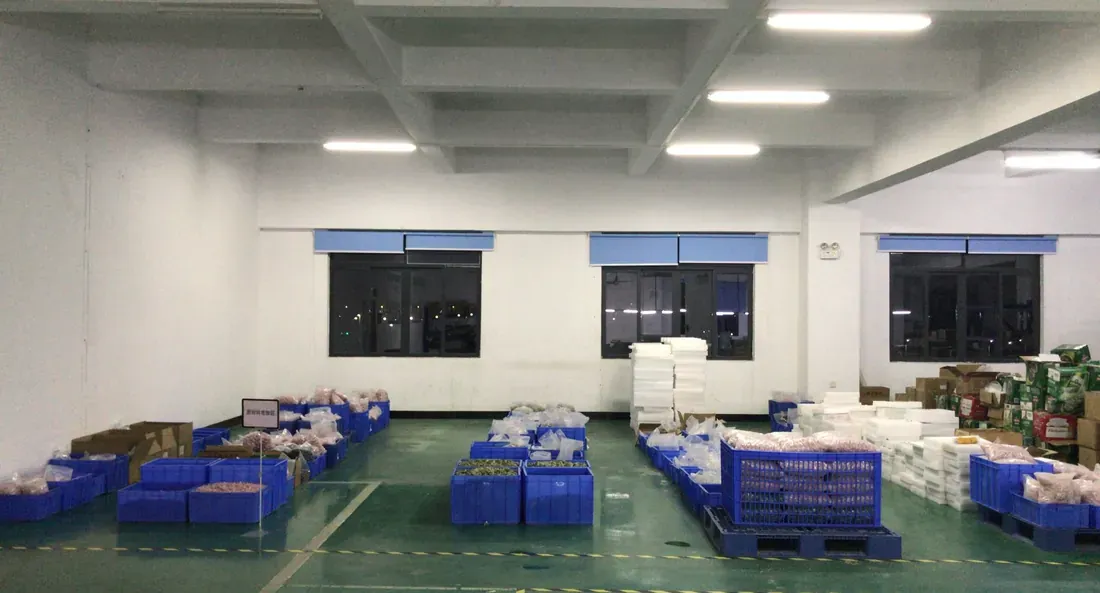
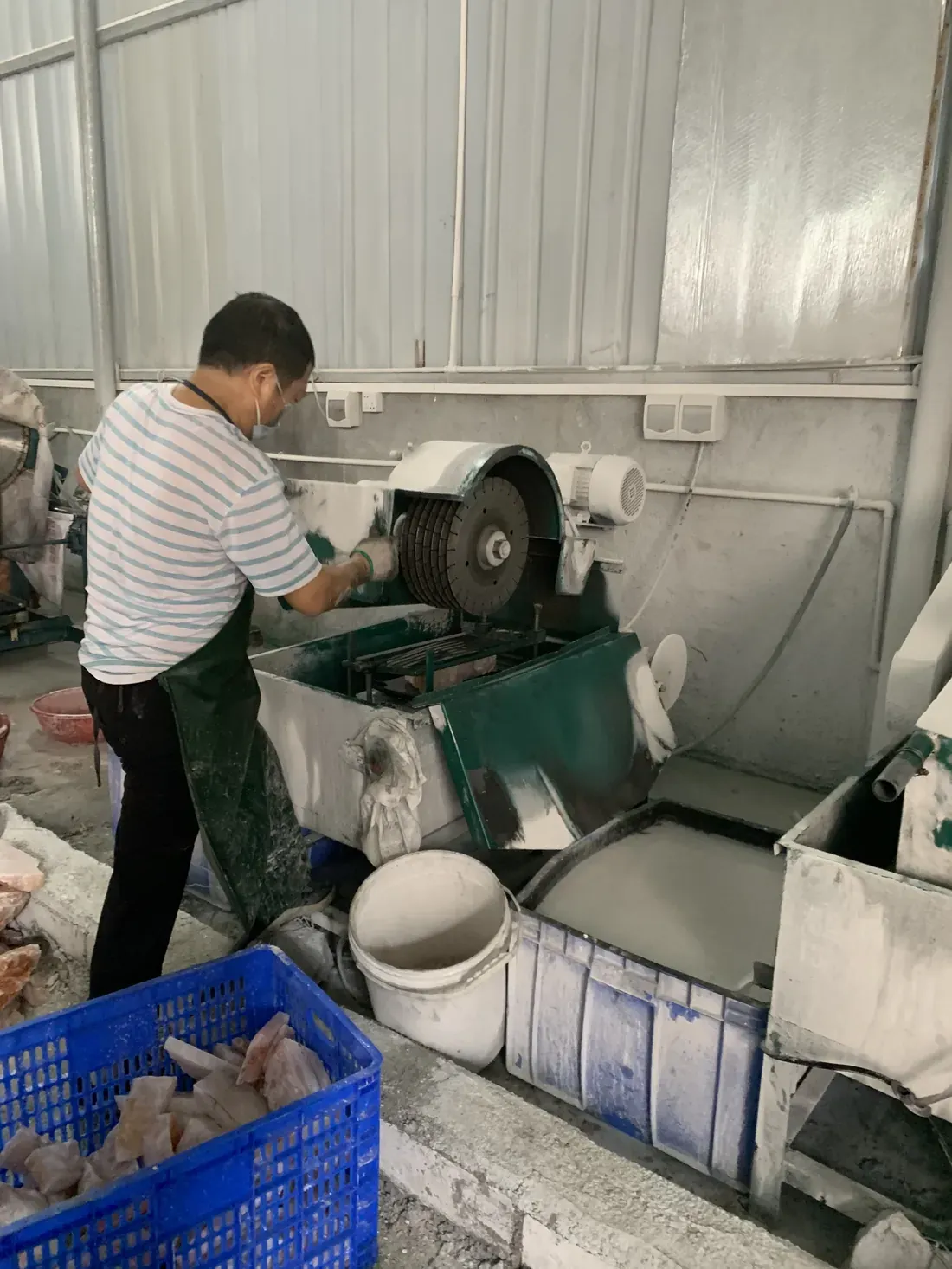
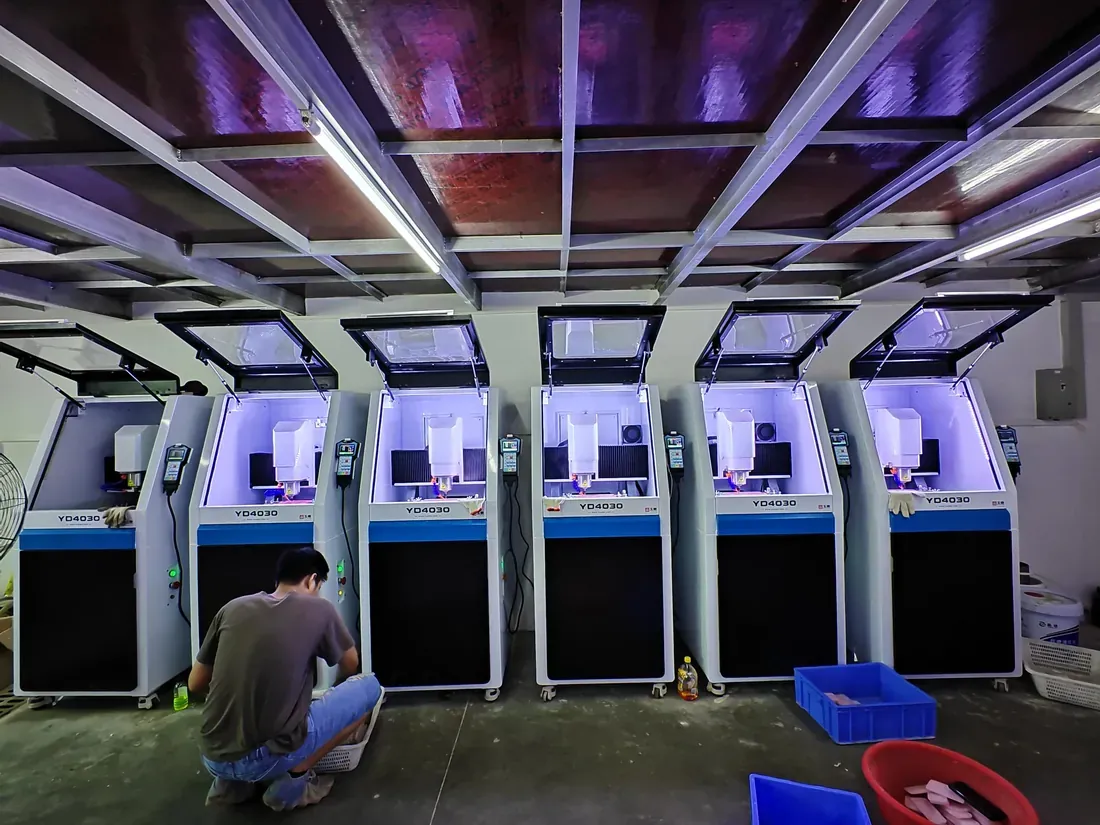
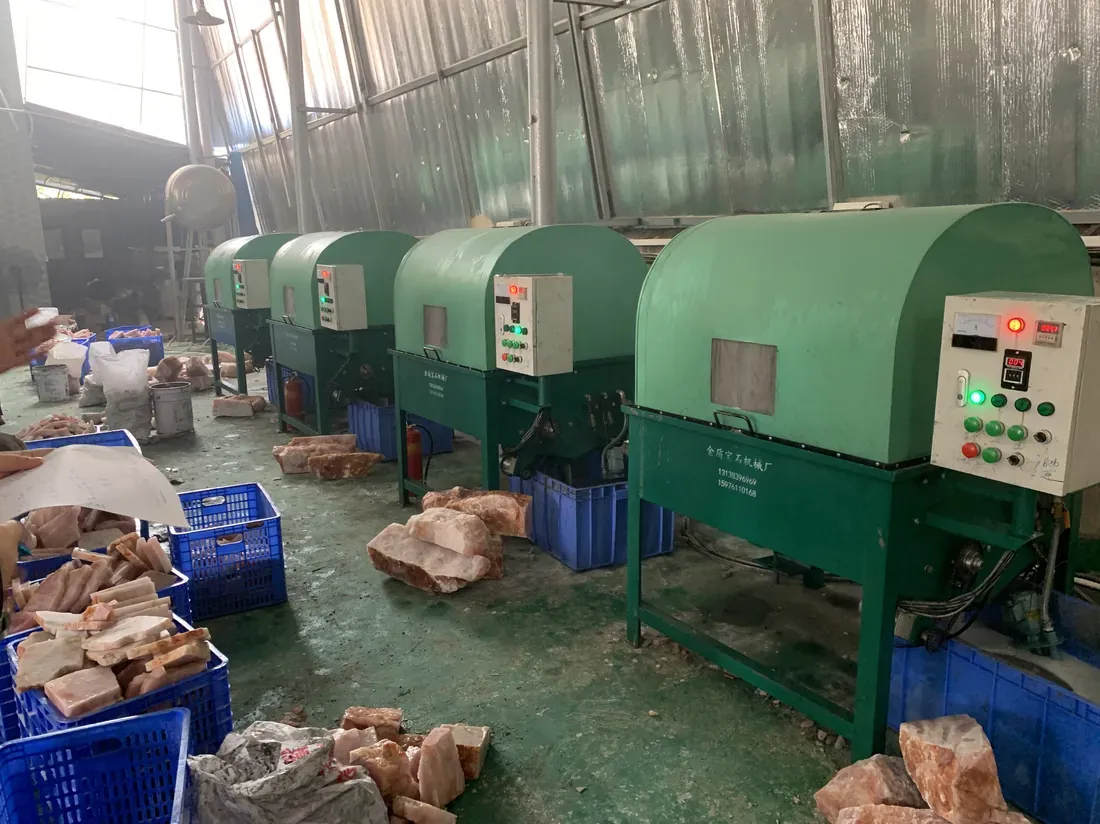
Ask a wholesale beauty tools supplier which steps happen inside the building. Cutting, shaping, polishing, glazing or laser marking, quality inspection and packing are the steps that decide consistency. A vendor that outsources three of them cannot control a delivery date, and the buyer absorbs the delay.
Material and finish consistency
Request two samples from different production runs and compare weight, edge feel and colour under daylight. A millimetre of thickness variance or a half-shade of colour drift becomes visible when the items sit side by side in a retail display.
Packing capability
Retail packing is where most first orders lose time. Confirm that boxes, inserts, pouches and printed sleeves are produced or sourced by the same partner, and ask for a packed sample rather than a bare one. A bare sample tells you nothing about how the item arrives after a courier has handled it.
How a First Order Is Usually Structured
Most buyers start with one of four structures. Each carries a different tooling commitment and a different lead time, and the right choice for a wholesale beauty tools supplier programme depends on whether the shape is already proven.
Structure | What it commits you to | When it fits |
|---|---|---|
Stock shape, no logo | Nothing beyond the order quantity | Testing demand before a brand launch |
Stock shape with laser logo | A marking setup, then steady production | A first branded run on a proven shape |
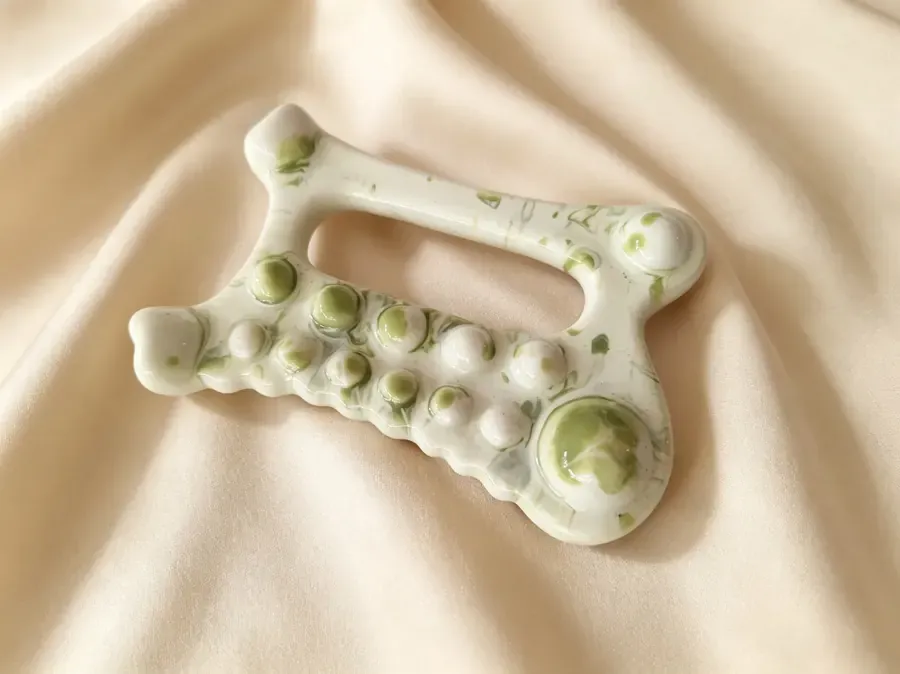
Stock shape with printed logo | A screen or pad printing setup | Ceramic and glazed surfaces with fine artwork |
New shape | Mould or tooling, sampling, then production | A signature silhouette no competitor carries |
The middle two options are where most private label programmes sit. They keep tooling risk low while still putting the brand on the product, and they can reach production far faster than a new mould.
A quotation that lists only a unit rate is incomplete. Ask for the marking setup, the packing cost, the carton dimensions and the carton weight alongside the item cost, because those four numbers decide the landed cost per unit.
Customisation Routes and What Each One Changes
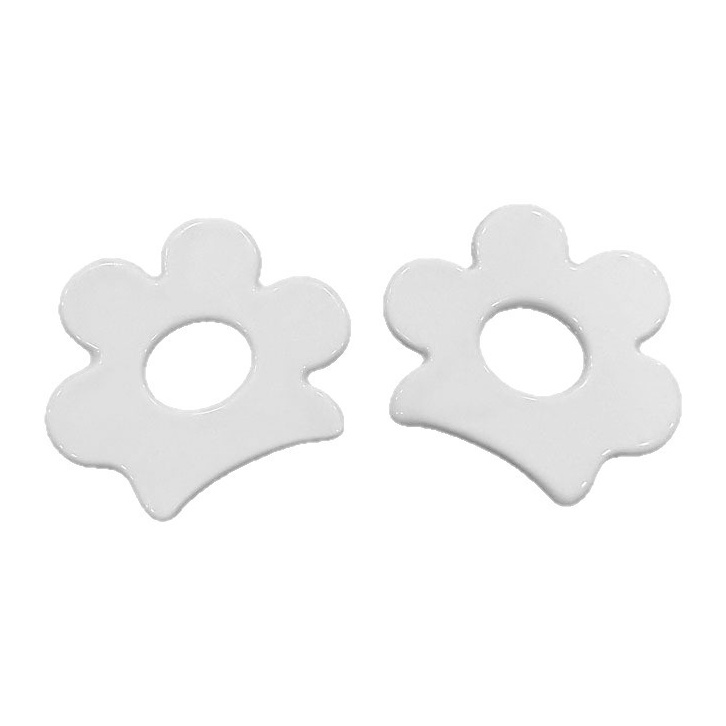
Customisation is not one service. It is a ladder, and each rung adds a step to the production line.
- Shape changes add a mould and a sampling cycle, and they lock the silhouette to your brand.
- Colour changes require a glaze or dye match and a minimum run per colour, so they suit a hero product.
- Logo application adds a marking stage; laser marking suits metal, while screen printing suits glazed ceramic.
- Packaging changes are the fastest to make and the cheapest to revise, which makes them the sensible first step.
Ask which rung the vendor recommends for your volume rather than which it prefers to sell. A partner that pushes tooling on a first order is optimising its own setup cost, not your launch.
Quality Control You Can Audit
Quality control is a process, not a promise. Ask any wholesale beauty tools supplier for the inspection points and the acceptance criteria in writing, then compare them with the sample you approved.
- Incoming material check, so a colour or grade change is caught before production starts.
- In-process inspection at the finishing stage, where most surface defects appear.
- Final inspection on a stated sampling plan, with photographs of any rejection.
- A packed-carton check, because damage in transit is a packing fault more often than a product fault.
A vendor that cannot describe these steps in plain language is unlikely to be running them. On the first order the cost of a missed defect is a refund; on a repeat order it is the listing rating.
Lead Times, Shipping and the Second Order
Ask for three dates rather than one: the sample date, the production start date and the ship date. The gap between them shows how much of the schedule depends on other customers. Buyers planning a seasonal launch should read our guide to lead times before committing to a date, because the packing stage is usually the variable one.
Shipping structure matters as much as speed. Confirm whether the cartons are export-ready, what the carton dimensions and weights are, and whether mixed orders can be consolidated. A partner who can combine stone, metal and ceramic lines in one shipment removes a whole layer of freight administration.
The second order is the real test. A vendor that keeps the approved sample, the artwork file and the packing specification on file will repeat the first order exactly. One that asks for the artwork again six months later has not built a process.
Reading a Quotation Properly
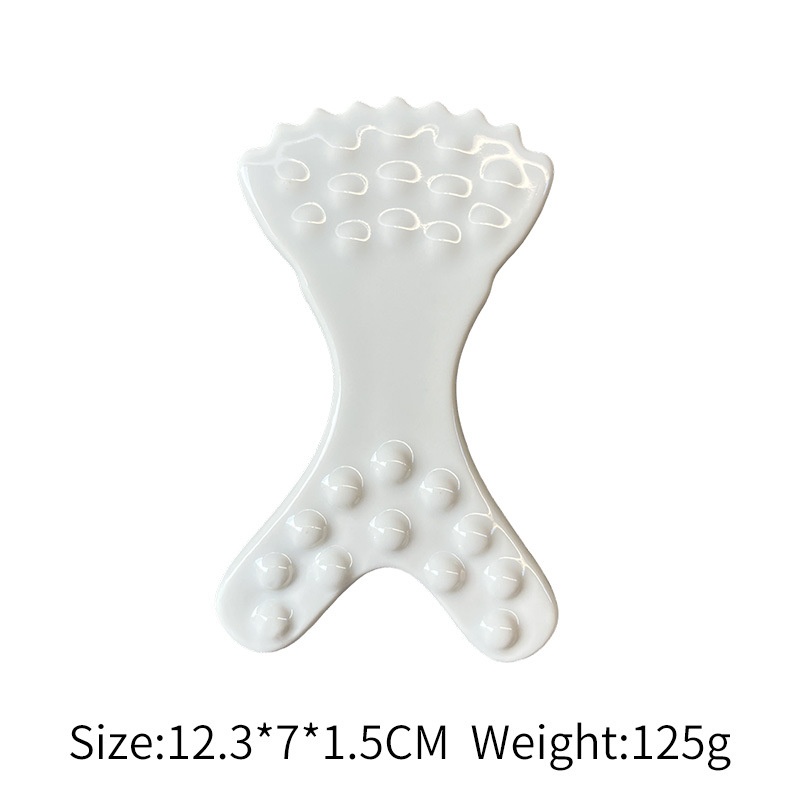
Compare quotations line by line rather than at the total. Four items explain most of the difference between two quotes: the marking or tooling setup, the packing specification, the carton build and the payment structure. A quote that omits packing is not a lower quote; it is an incomplete one.
Ask also what happens when a quantity falls short or a colour is discontinued. A partner that answers those two questions without hesitating has handled them before.
A Practical Evaluation Checklist
- Shape sheet with dimensions, weights and finish options in hand.
- Two samples from different runs, compared side by side.
- Production steps confirmed as in-house, with the outsourced ones named.
- Marking, tooling and packing costs quoted separately.
- Inspection points and acceptance criteria written down.
- Carton dimensions and weights supplied for a freight estimate.
A vendor that clears this list is worth a first order. One that clears it and answers follow-up questions in a day is worth a long-term programme.
Where to Go Next
If the range you are building spans materials, read OEM versus ODM before choosing a model, and if the first product is a metal tool our stainless steel programme sets out the grades and order structure. Buyers planning a stone line can compare notes in the bian stone guide.
Alison Gua Sha Factory produces facial boards, body tools and comb styles in ceramic, natural stone, stainless steel and wood, with logo application and retail packing handled in the same building. Send the shapes, quantities and destination and we will confirm the structure, the minimum order and the production schedule.