Services Overview
Sample Inspection Checklist for Gua Sha Buyers
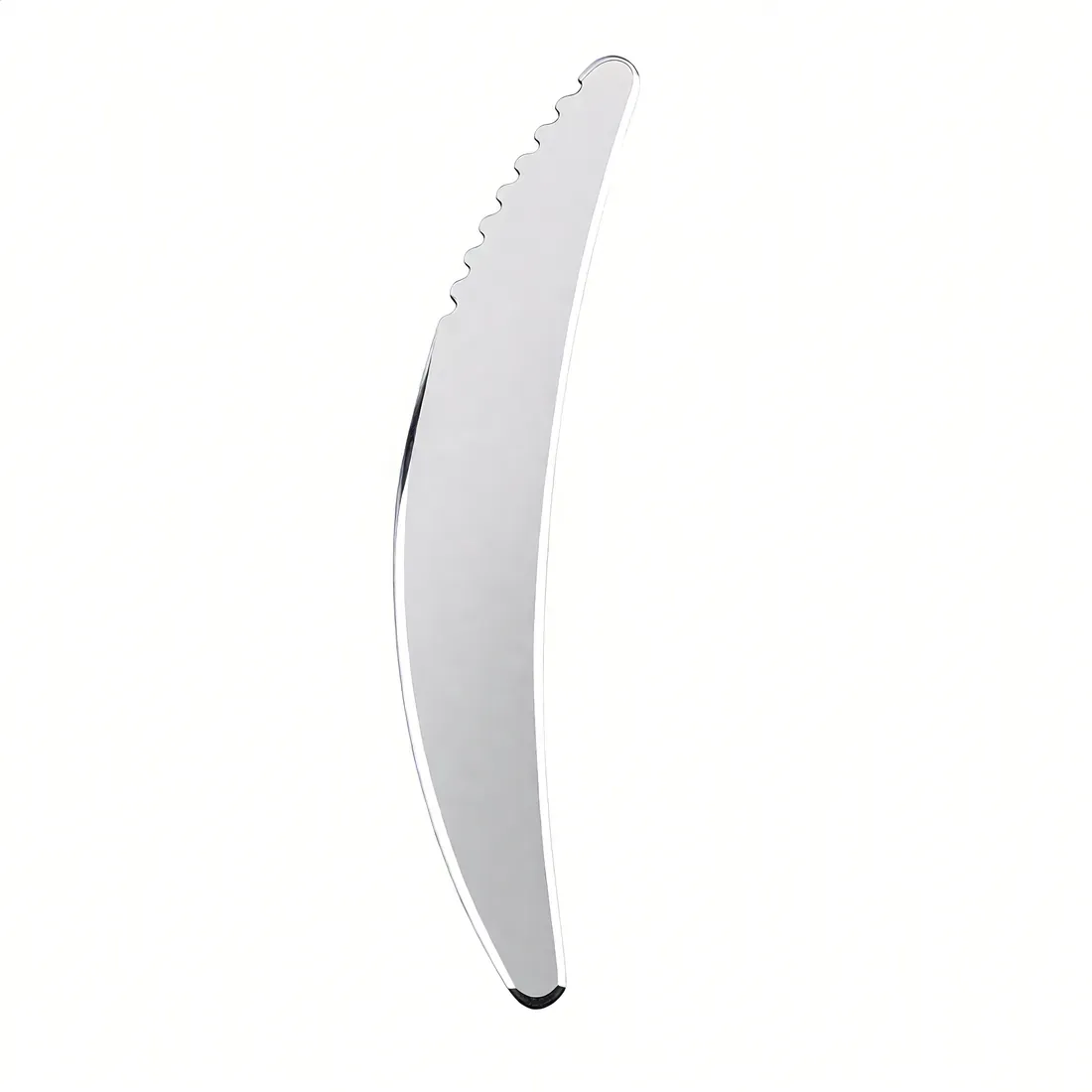
A sample inspection checklist for gua sha and fascia tool buyers: dimensional check, edge test, surface and logo inspection, weight, and the written record to keep.
A sample evaluation is the cheapest quality control a buyer will ever perform. Everything the sample reveals is something the production batch would otherwise reveal after payment.
This checklist covers what to inspect on a stainless steel gua sha or fascia tool sample, in the order that catches the most important problems first.
1. Before You Inspect: Confirm What You Are Looking At
A sample is only meaningful if it matches the specification you intend to order. Confirm the grade, the finish, the dimensions and the marking method before judging the tool itself.
If the sample is 316 and you plan to order 304, the finish and edge may differ on production. Compare like with like.
2. Dimensional Check
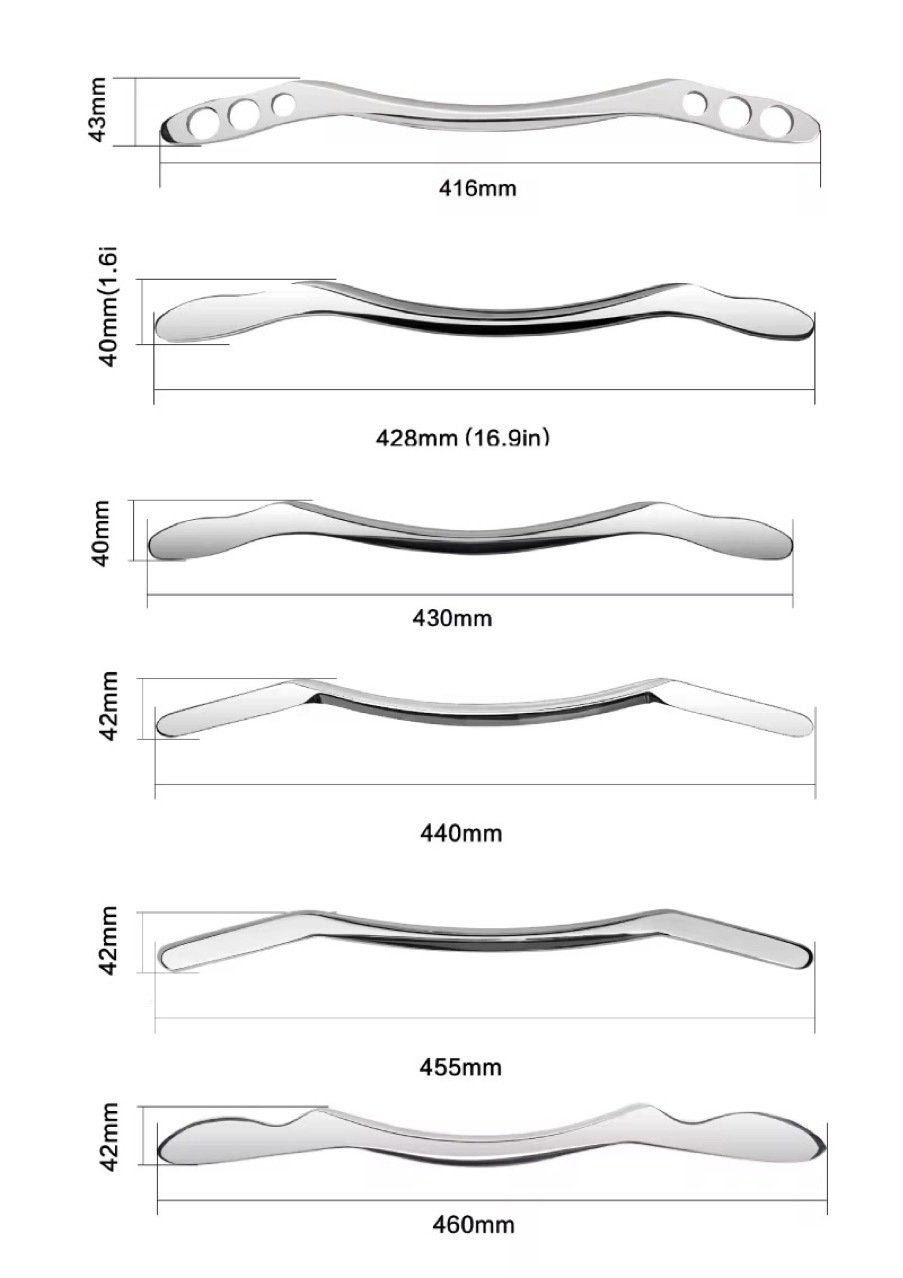
Measure overall length, width and thickness against the approved drawing. Small differences matter when the tool is used on a specific area of the face.
Check the tool sits flat. A tool that rocks on a flat surface has a warp, and a warped tool cannot be finished consistently.
3. Edge Inspection
This is the most important check. Draw the edge lightly across the back of a hand or a soft cloth and confirm it glides without catching.
Run a finger along the whole contour, including the tight interior curves. A single hard point is enough to scratch skin, and interior curves are where radius drift is most common.
4. Surface Inspection
Inspect under raking light rather than flat light, because flat light hides exactly the fine marks a customer will see.
Check both faces. A tool with a good front face and a marked back face is still a tool a customer will notice.
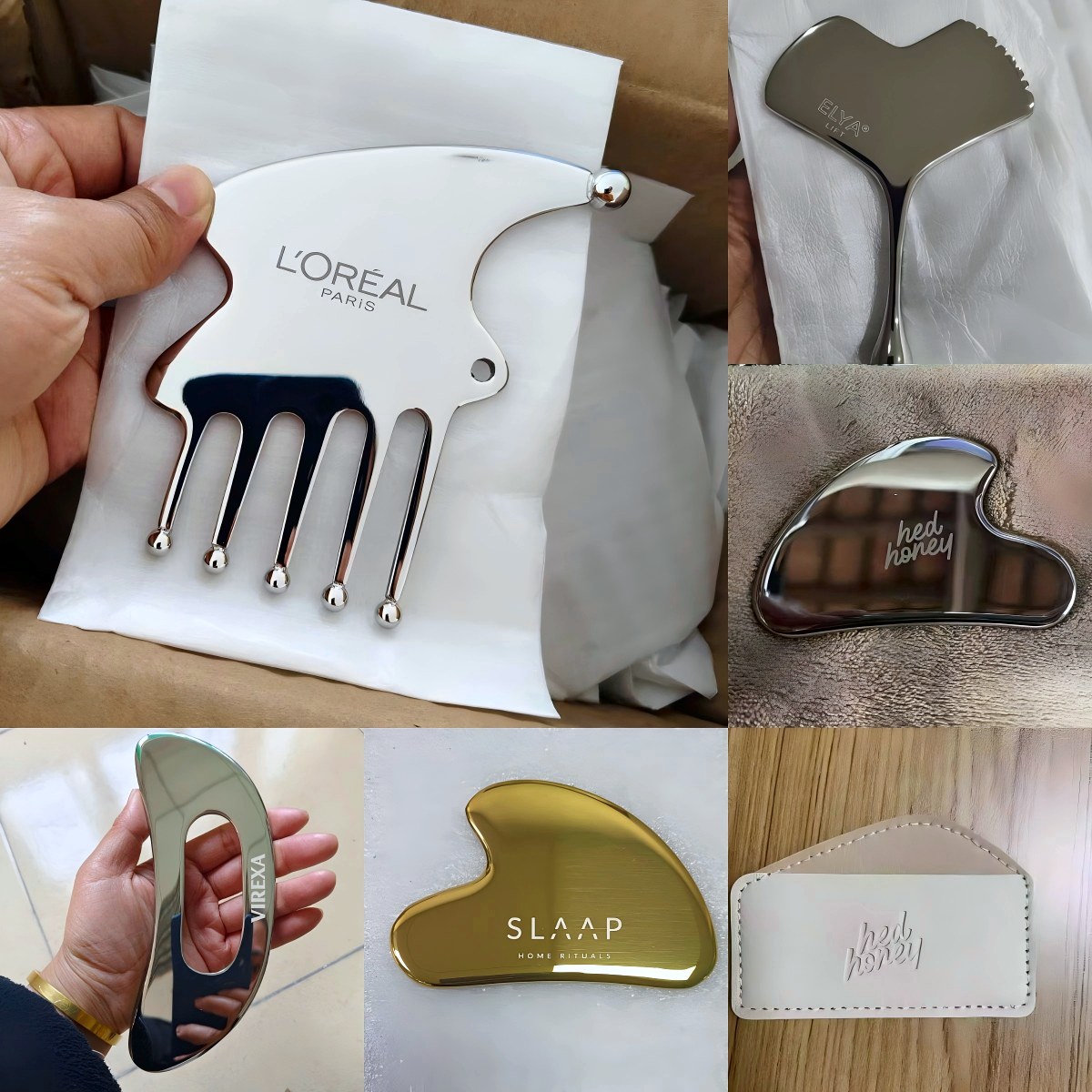
5. Logo Check
Confirm the mark is the depth and tone you approved, and that its position matches the reference. Placement drift is one of the most common inconsistencies between sample and production.
Check the mark on a curved area specifically, because detail quality falls off across a tight curve.
6. Weight and Balance
Hold the tool as it would be used. Weight and balance are the properties a customer feels first, and they are not captured by a dimension check.
For body and fascial tools, confirm the instrument transmits pressure without flexing.
7. The Written Record
Record what you checked, what you found and what you approved. That record is the reference for the production batch and the basis for any later comparison.
Keep the approved sample. It is the only object that settles a dispute about what was agreed.
8. Working With Us
Alison Gua Sha Factory supplies samples with their specification attached, and we ask for written approval against that specification before production begins.
Tell us what you will be checking and we will confirm the measurement, the marking method and the tolerance on the sample paperwork.
guashafactory@gmail.com | +86 133 3260 7156 | No. 88 Zhengkeng Street, Changan Town, Dongguan City, Guangdong, China
Frequently Asked Questions
What should I check first on a sample?
Confirm the sample matches your specification, then check the edge. The edge is the part that decides how the tool behaves in use.
How do I check an edge without special tools?
Draw it lightly across the back of a hand or a soft cloth. A correct edge glides. A poor edge catches.
What light should I inspect under?
Raking light rather than flat light. Flat light hides the fine marks a customer will see.
Why does the tool rock on a flat surface?
It has a warp from forming. A warped tool cannot be finished consistently, so it should be raised with the supplier.
How do I check logo placement?
Against the approved reference, and specifically on any curved area, because detail falls off across a tight curve.
Should I keep the sample?
Yes. The approved sample is the reference for production and the only object that settles a dispute about what was agreed.
What should the sample paperwork include?
The material grade, dimensions, finish and marking method, so the sample can be compared against the order specification.
What if the sample differs from the specification?
Raise it before production. A sample discrepancy is the cheapest problem to fix in the whole process.