Bian Stone vs Ceramic Gua Sha | Alison Gua Sha Factory
Bian stone vs ceramic gua sha, compared for wholesale buyers: feel, colour consistency, breakage, prices, MOQ and lead times — and which one fits your brand. Quote within 24 hours.
Bian stone costs USD 0.78 to USD 5.89 per piece and ceramic costs USD 1.49 to USD 5.49 per piece, EXW, for orders of 200 to 5,000 pieces. Bian stone wins when your brand needs a natural stone story, a dense hand-finished feel and a look that says the tool comes from somewhere real, while ceramic wins when every piece has to match the product photo exactly, with the same colour, the same glaze and the same shape from the first piece to the five-hundredth. A custom shape in bian stone starts at 200 pieces, a custom shape in ceramic starts at 1,000 pieces because it needs a mould of its own, and a branded stock order takes 25 to 30 days after artwork approval for either material. This guide is for wholesale buyers, brands and spa owners choosing between the two for a first order of 100 pieces or more.
The gift set that matched the photo, and the one that did not
A brand owner is building a gift set for the holiday season, a board, a pouch and a printed box, and she needs 500 boards that look exactly like the one in her product photo, because the box is already printed and the colour on the box is fixed. She orders bian stone, because a competitor's page calls it the traditional choice and the sample she held felt dense and substantial in her hand. The batch arrives and the boards are black, but not identically black. The veining differs from piece to piece, a few boards are a shade lighter, and the weight varies slightly across the batch. Nothing is wrong with the stone. Natural stone varies, and that variation is the proof that it is natural. But her gift set now has 500 boards that do not match each other, and the printed box promises a colour the boards cannot keep.
The same mistake runs in the other direction. A spa owner orders ceramic boards for her treatment rooms, because the glazed surface looks soft and premium and the price fits her budget. The boards arrive looking perfect, identical piece after piece, and her therapists love the smooth glide. Then a board slips off a treatment trolley onto a tiled floor, and the glaze chips at the edge. The chip is small, but a chipped glaze leaves a rough edge that cannot go near a client's face, so the board goes in the bin. Both buyers ordered a good tool. Both ordered the wrong material for the job they actually had.
What each material actually is
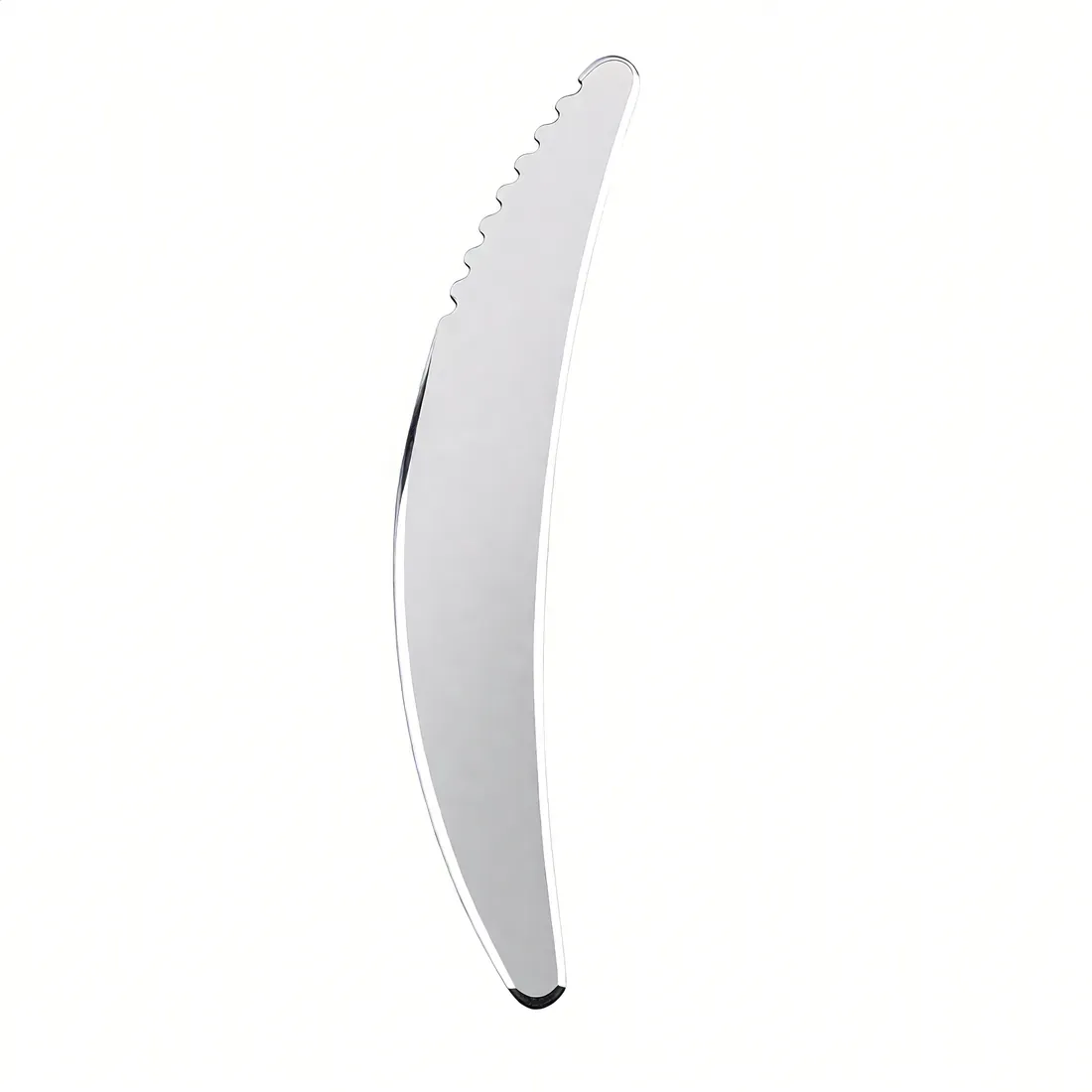
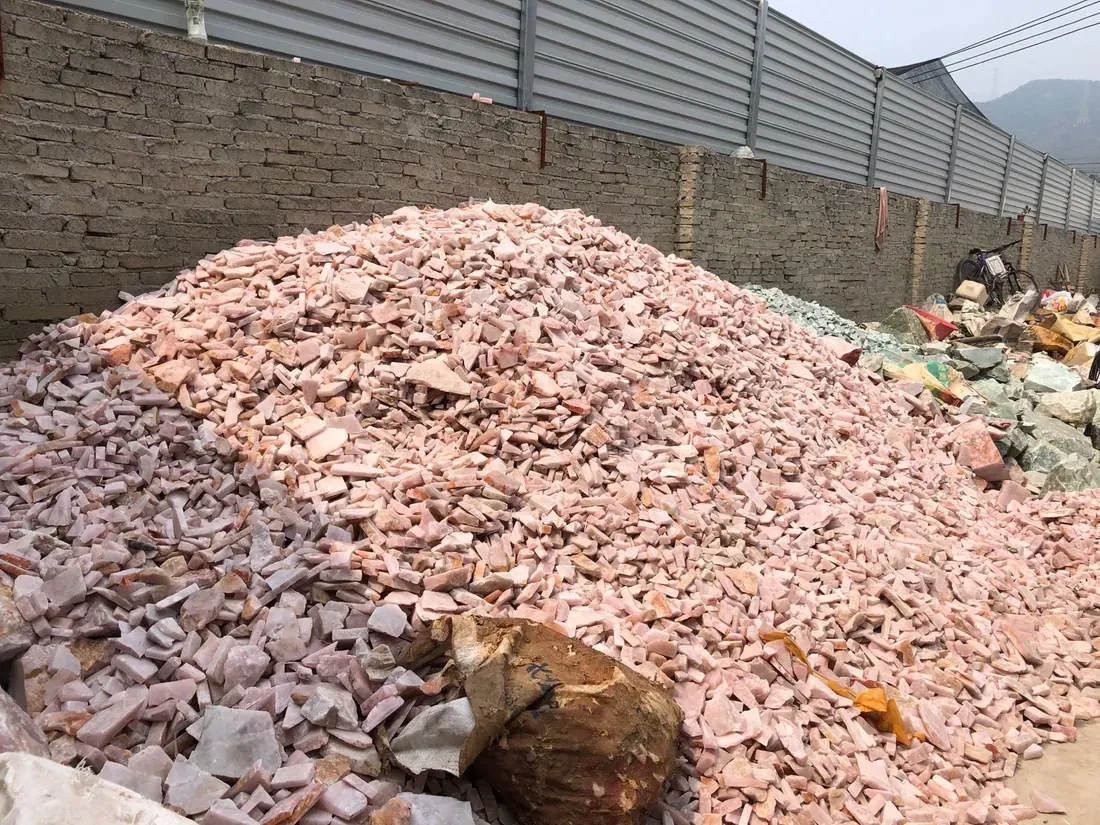
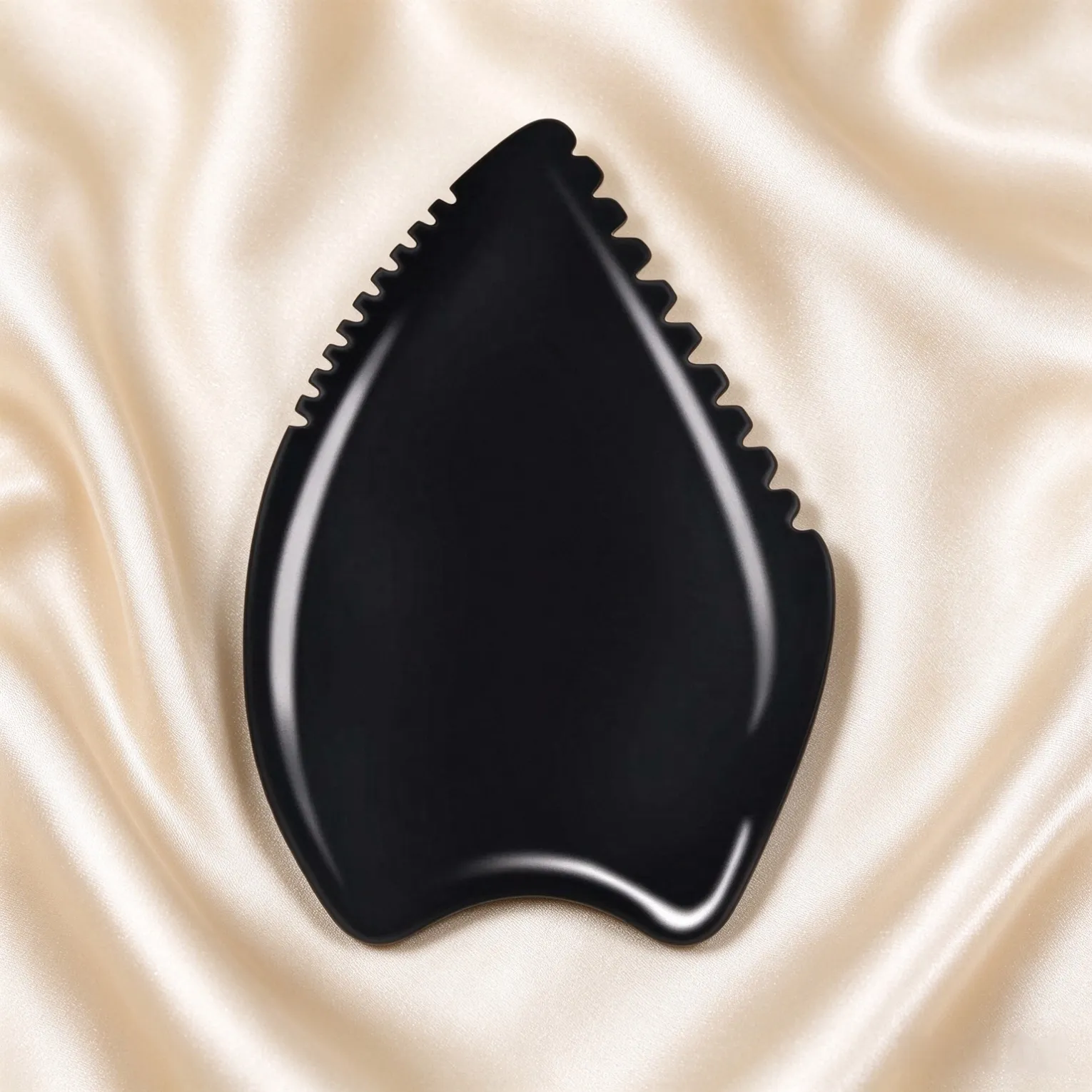
Bian stone is a natural stone with a traditional therapeutic background and two recognised origins in China, and that origin is part of what the buyer is paying for. Each board is cut and hand-finished from stone, so the surface is dense and smooth, the weight feels substantial in the hand, and no two pieces are exactly alike. The veining, the shade and even the weight vary slightly from piece to piece, and that variation is not a defect. A brand that sells bian stone is selling that story, and the listing has to be honest about it: the photo shows one board, and the board the customer receives will be its close relative, not its twin.
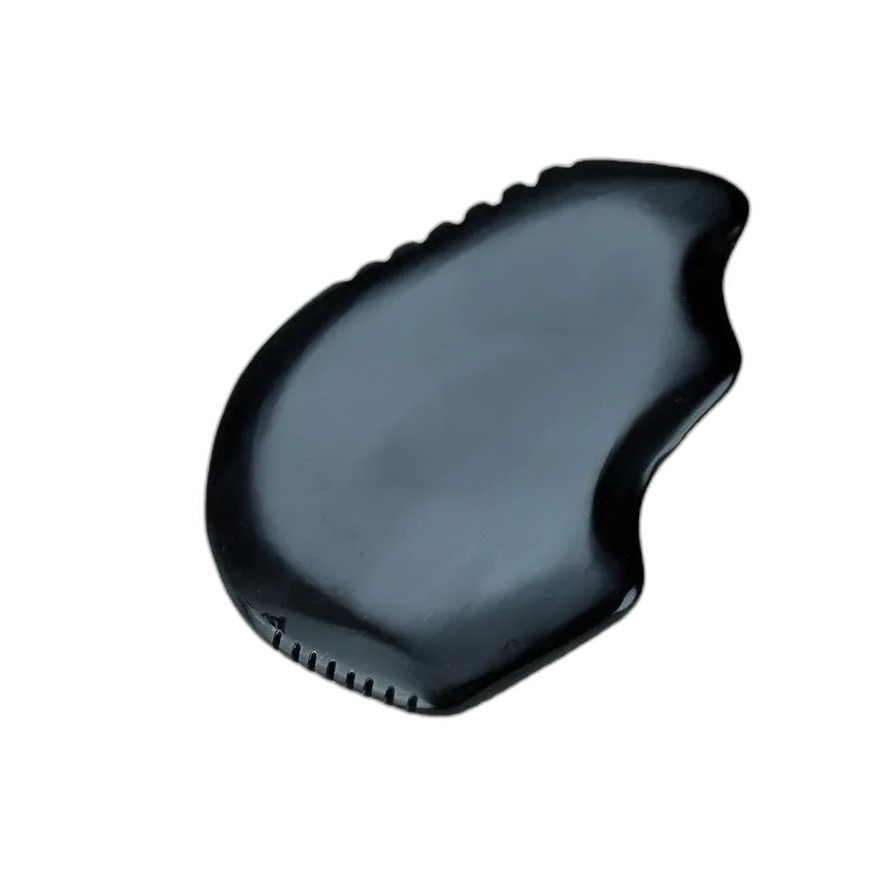
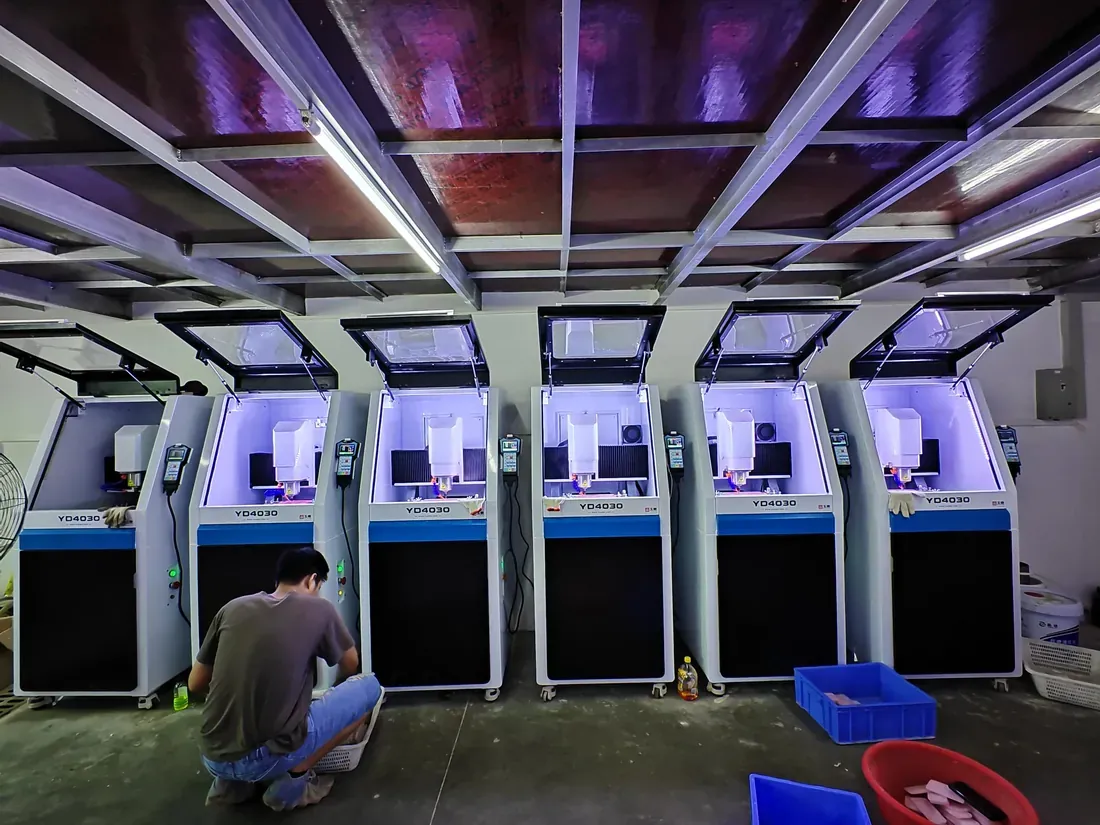
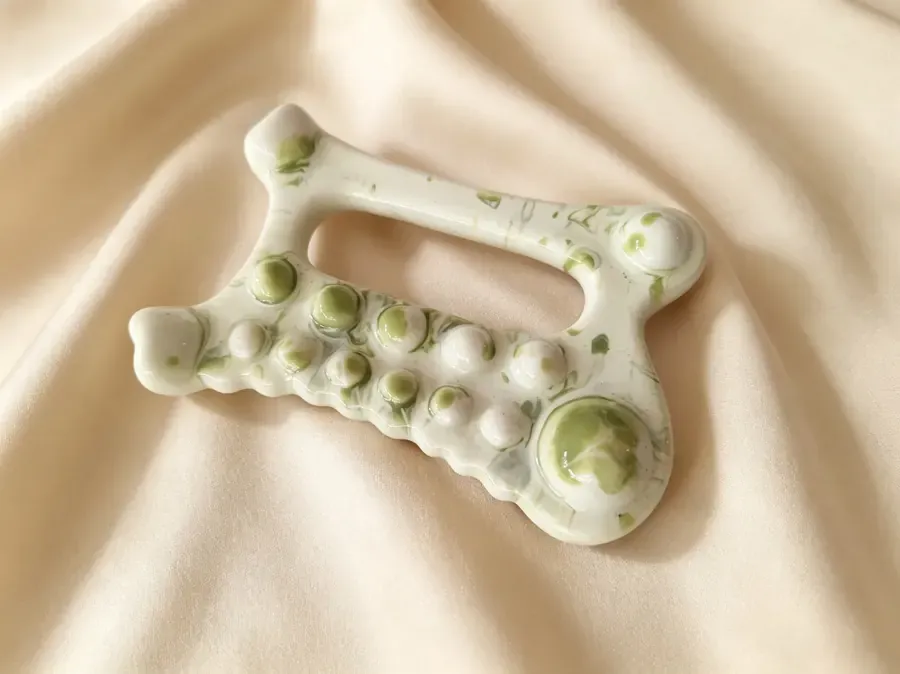
Ceramic is made the opposite way. It is moulded and glazed, then fired, and the mould is what gives ceramic its freedom. Curves, teeth, combs and hollow frames that would be slow to carve from stone can be moulded in ceramic without much fuss, and the glaze gives it the smooth glide that buyers notice on the first stroke. Because the colour goes into the glaze, a whole run comes out in the same shade, so the dusty pink on the board matches the dusty pink on the box, piece after piece. Ceramic is light and warm to the touch, which is exactly what a sensitive-skin facial brand wants. But ceramic can chip, and a chipped glaze leaves a rough edge that cannot go near a face. That is the trade behind the consistency: every piece matches, and every piece needs to be handled with care.
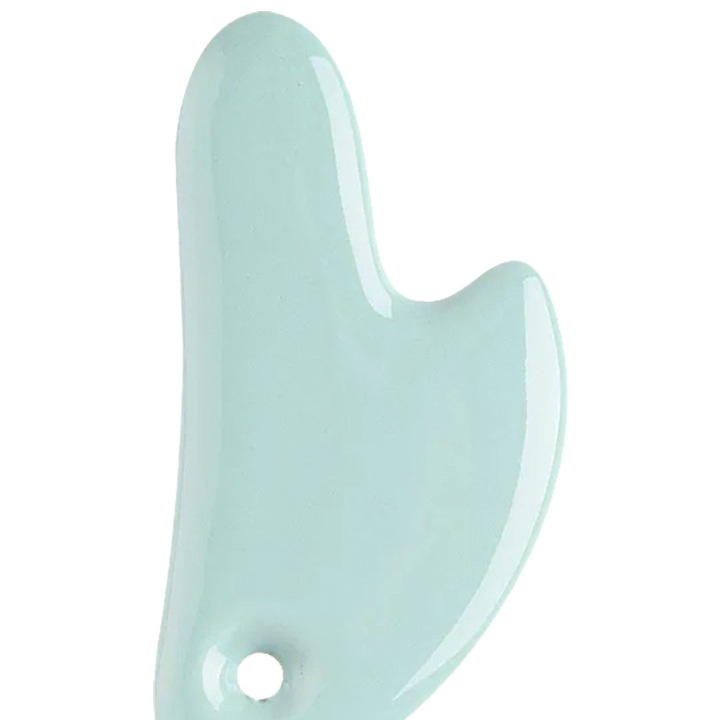
The difference shows up the moment you hold both. Bian stone is heavier and cooler, with a dense feel that reads as serious and traditional. Ceramic is lighter and warmer, with a glass-smooth glazed surface that glides without dragging. Neither feel is better in itself. The question is which feel your customer expects when the box opens.
The numbers behind the choice
The minimums are further apart than the prices. A custom shape in bian stone starts at 200 pieces, because the shape is cut from stone and does not need a mould of its own. A custom shape in ceramic starts at 1,000 pieces, because it needs a mould made for that shape before the first piece can be fired. If your brand needs its own shape and your first order is under 1,000 pieces, bian stone is the only one of the two that can do it, and that single fact decides the material before any discussion of feel or colour. An in-stock shape with your laser-engraved logo starts at 200 pieces per style for either material, a silk-screen logo starts at 1,000 pieces, and a first order of 100 pieces is possible on in-stock and regular styles if our sales team confirms the style qualifies.
Lead times are the same for both. An unbranded stock order can ship in as little as 3 days, and a branded stock order takes 25 to 30 days after artwork approval, so the clock starts when the artwork is approved, not when the inquiry is sent. A laser-engraved sample takes 1 to 3 days and a silk-screen sample takes 7 to 10 days. A custom stone shape takes 14 to 20 days to make, and a custom ceramic shape needs its own mould first, so ask for the mould timeline with the quote. Gift boxes and pouches start at 500 pieces, a window box starts at 1,000 pieces, and the packaging unit price is quoted per size and per style.
Choose bian stone when the tool is part of a story about origin and tradition. A brand that sells traditional Chinese wellness, a spa that wants its clients to feel they are holding a real stone, or a line that sells on weight and density will do better with bian stone, because the variation is part of the product. Choose ceramic when the tool is part of a look that has to stay exact. A facial brand for sensitive skin, a gift set with a printed box in a fixed colour, or a retail line that sells on warmth and ritual will do better with ceramic, because it is light, warm to the touch and gentle on the skin.
There are two cases where the answer is to offer both: a brand with two customer groups, a premium line in bian stone and a gift line in ceramic, where the stone board carries the brand story and the ceramic board carries the volume; and a brand still finding its market, where a first order split across the two materials tells you more about your customers than any article can. Start with in-stock shapes in both and let the reorders tell you which one your customers actually reach for.
What goes wrong, and how to stop it
Most bian stone problems come from treating a natural stone as a moulded product. Do not promise a customer that every piece will look identical, because natural stone cannot keep that promise. Photograph three or four boards from the same batch, not one, so the listing shows the range of veining and shade the buyer will actually receive. Approve the stone on a physical sample before the full run, and check the edge with your fingertip. If the order is a gift set with a printed box in a fixed colour, say so in the inquiry before ordering, because that is the order where variation hurts most.
Most ceramic problems come from treating a moulded tool as unbreakable. Pack each tool separate in a box or a pouch, because tools that rub against each other in transit will chip each other's glaze. A gift box or a pouch from 500 pieces keeps each tool apart, so ask for it in the same inquiry as the tools. Approve the glaze on a physical sample before the full run, and check the colour of the sample against your packaging, because screens lie about glaze colours more than any other finish. Do not judge the colour from a photo alone, because the board that arrives will be the colour of the glaze, not the colour of the photo.
The shared mistake is ordering a custom shape on a stock-shape timeline. A custom bian stone shape needs 200 pieces and 14 to 20 days to make, and a custom ceramic shape needs 1,000 pieces and its own mould, with no fixed tooling fee published, because every mould is different. Send a drawing or a CAD file and get the mould quote before you promise a date to your own customer. The second shared mistake is approving artwork late. A branded stock order takes 25 to 30 days after artwork approval, so the clock starts at approval, not at the order, and a week lost on artwork is a week lost on delivery.
What to do next
Send us four things and we will quote within 24 hours: the shape you want, in-stock or custom, the quantity, your target market and the date you need the goods. If you have not decided between bian stone and ceramic, say so in the inquiry and order one sample of each first. A laser-engraved sample takes 1 to 3 days, and it tells you more about weight, edge and feel than any photo. Hold both samples the way your customer will use them, check the colour of each against your packaging, and then choose. If you already know which material fits, send the artwork with the inquiry so the logo quote comes back accurate the first time.
Pick the material that matches the promise your listing makes. If the listing promises a natural stone with its own character, order bian stone and show the variation honestly. If the listing promises a colour that matches the box exactly, order ceramic and handle it like the glazed tool it is. Order one sample of each before the first production run, approve the stone or the glaze on the physical piece, and send one inquiry with the shape, the quantity and the date together.
Frequently asked questions
What does bian stone gua sha cost wholesale? Bian stone runs USD 0.78 to USD 5.89 per piece, EXW, for orders of 200 to 5,000 pieces, and we quote within 24 hours.
What does ceramic gua sha cost wholesale? Ceramic runs USD 1.49 to USD 5.49 per piece, EXW, for orders of 200 to 5,000 pieces, and we quote within 24 hours.
Can I order a custom shape in bian stone or ceramic? A custom shape in bian stone starts at 200 pieces, and a custom shape in ceramic starts at 1,000 pieces because it needs a mould of its own. Send a drawing or a CAD file and we will quote the mould and the lead time with the tools.
Can I start with a 100-piece order? A first order of 100 pieces is possible on in-stock and regular styles if our sales team confirms the style qualifies. A custom shape still follows its own minimum, 200 pieces for bian stone and 1,000 pieces for ceramic.
Which material is better for a gift set? Ceramic suits a gift set with a printed box in a fixed colour, because the glaze holds the same shade across the whole run. Bian stone suits a gift set that sells on the natural stone story, but photograph several boards from the batch so the buyer sees the natural variation before ordering.
Related reading:
Get a quote: