Services Overview
Custom Gua Sha Shape Brief | Alison Gua Sha Factory
How to brief a custom gua sha shape, from drawing to sample: what to send, MOQs by material, sample times, and the mistakes that cost weeks. Quote within 24 hours.
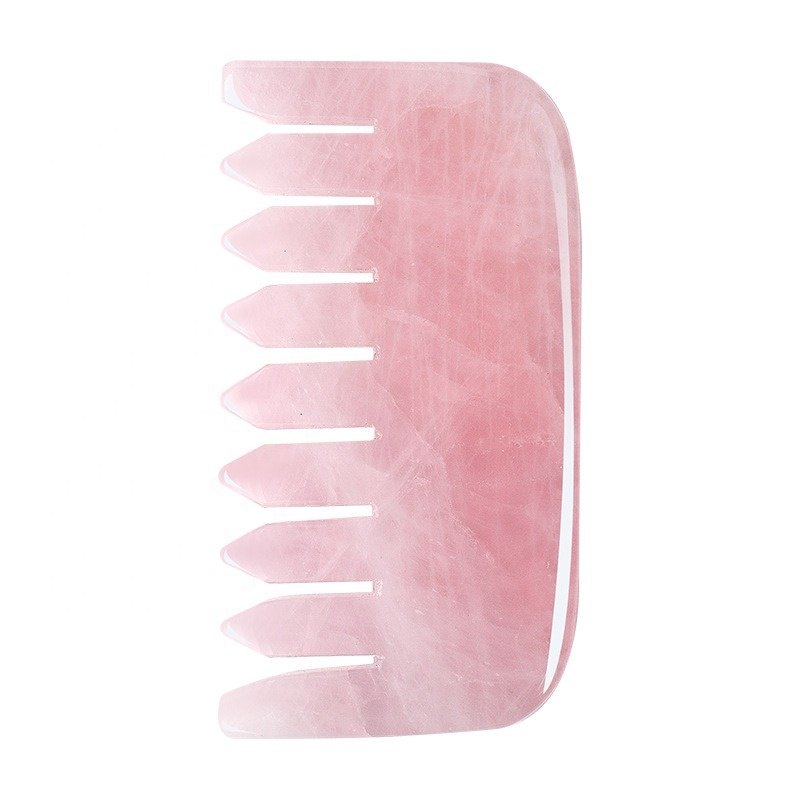
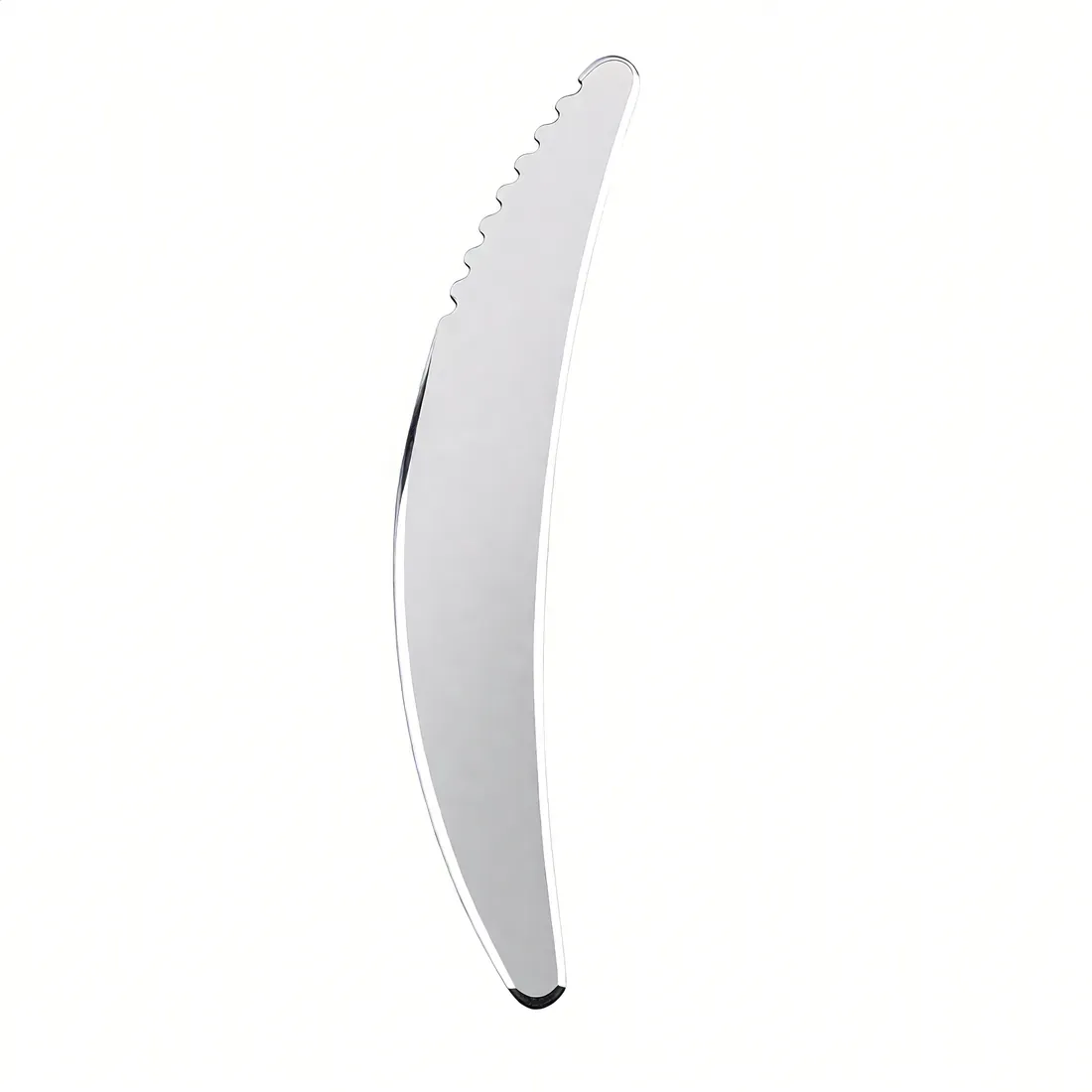
A custom gua sha shape starts with a brief, not a mould. Send a dimensioned drawing or a CAD file, name the material, state the quantity and the date you need the goods, and the factory can quote the mould, the sample and the unit price. A custom shape in bian stone starts at 200 pieces, other natural stone at 500 pieces, and stainless steel or ceramic at 1,000 pieces, because each needs a mould of its own. A custom stone shape takes 14 to 20 days to make, a laser-engraved sample takes 1 to 3 days, and we quote within 24 hours. This guide is for wholesale buyers, brands and spa owners who want their own shape instead of a stock shape, and who are placing a first order of 100 pieces or more. It is not for buyers who only need a logo on a stock shape, because that order follows a shorter path and does not need a drawing at all.
The sketch that looked right and measured wrong
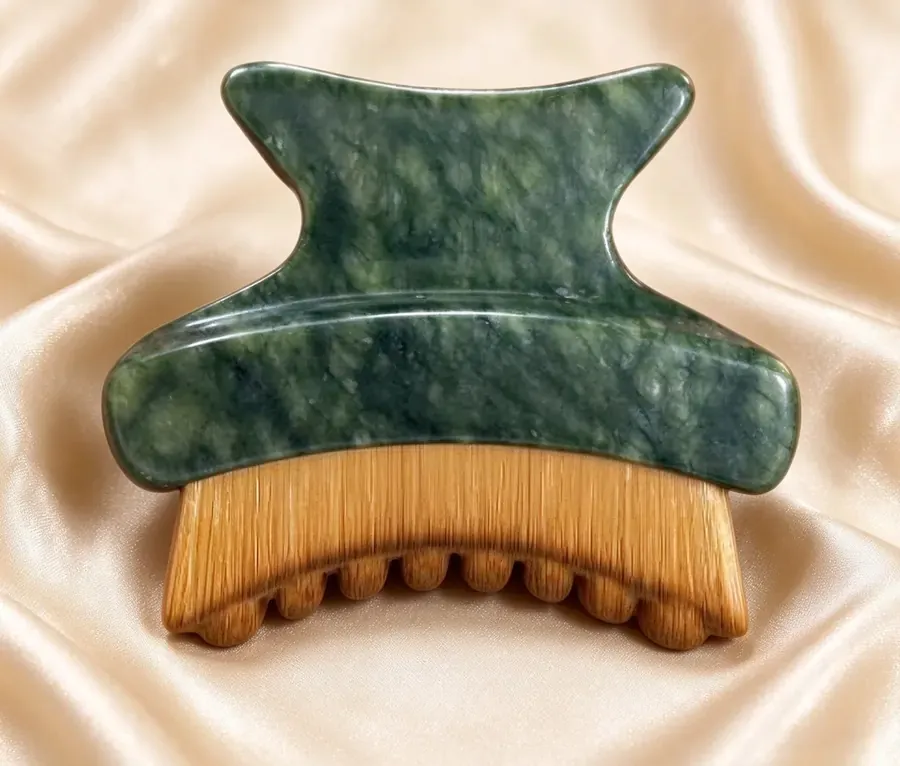
A buyer wants a gua sha board shaped like a wing, with one long edge for the cheek and a small notch for the jaw. She sketches it on paper, photographs the sketch with her phone and sends the photo to the factory with a short message asking for a price. The sketch looks good. The factory reads the shape off the photo, guesses the size from the proportions, and makes a sample. The sample arrives three weeks later and the shape is right, but the board is smaller than she imagined, the notch sits a centimetre too high, and the edge feels too thick. None of this is the factory's fault. A photograph of a sketch carries no scale, no thickness and no edge detail, so the factory filled in the missing numbers by guessing, and the guess was wrong.
She sends a second message with the corrections, the factory adjusts the drawing and makes a second sample, and another two weeks pass. By the time the third sample is right, six weeks have gone since the first message, and the launch date she promised her own customers has already moved twice. The shape never changed. What changed was the information around it.
What a brief actually is
A brief is the set of facts a factory needs before it can quote a mould, make a sample or promise a date, and it has five parts. The first part is the shape itself, drawn to scale with dimensions. Length, width and thickness in millimetres, the radius of each curve, and the depth of each notch. A CAD file is best, because it carries every dimension exactly. A dimensioned drawing on paper works too, as long as every measurement is written on it. A photograph of a reference product works only as a starting point, because a photo shows the shape but hides the measurements, and the factory still has to ask for the numbers before it can cut a mould.
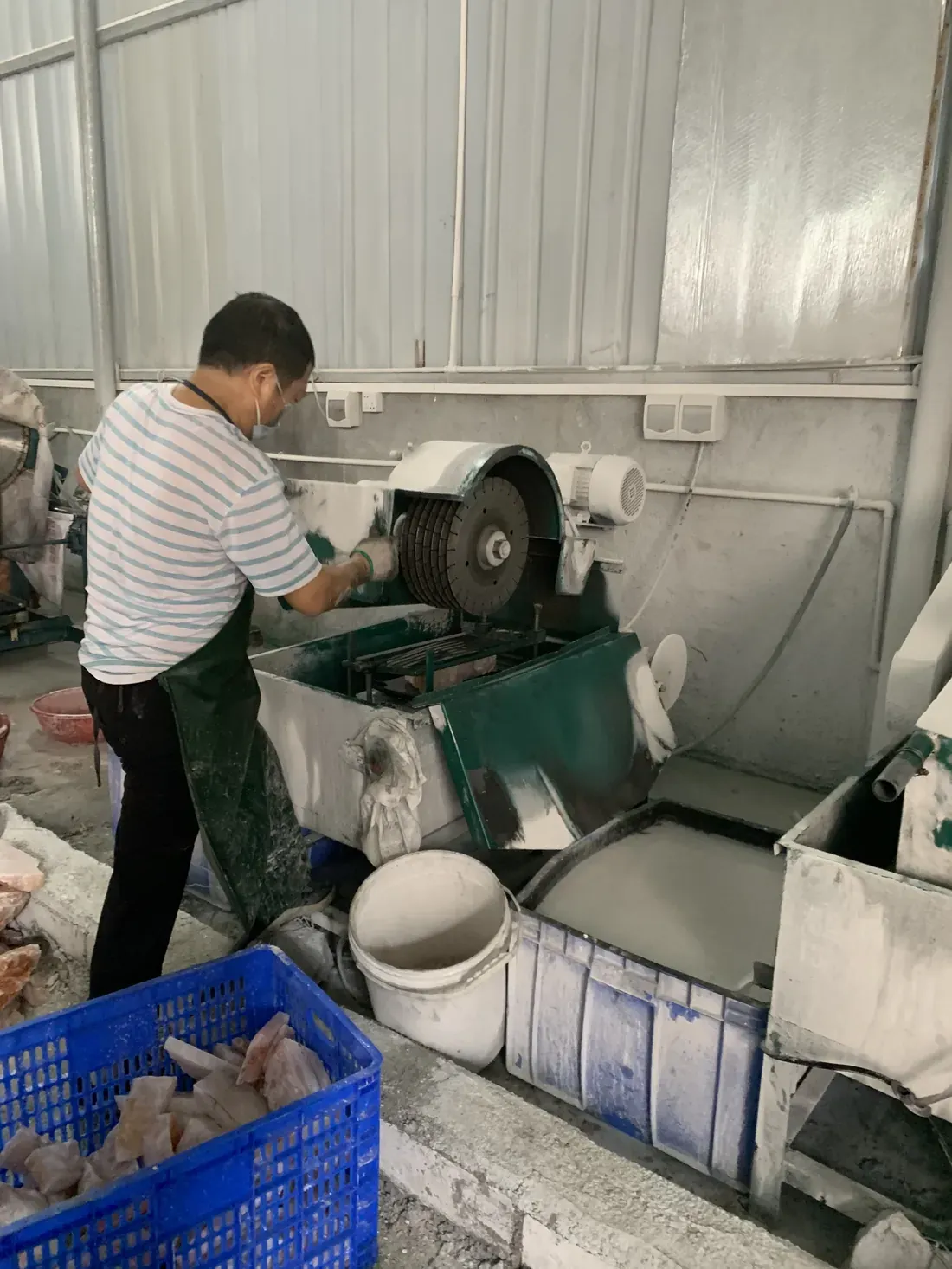
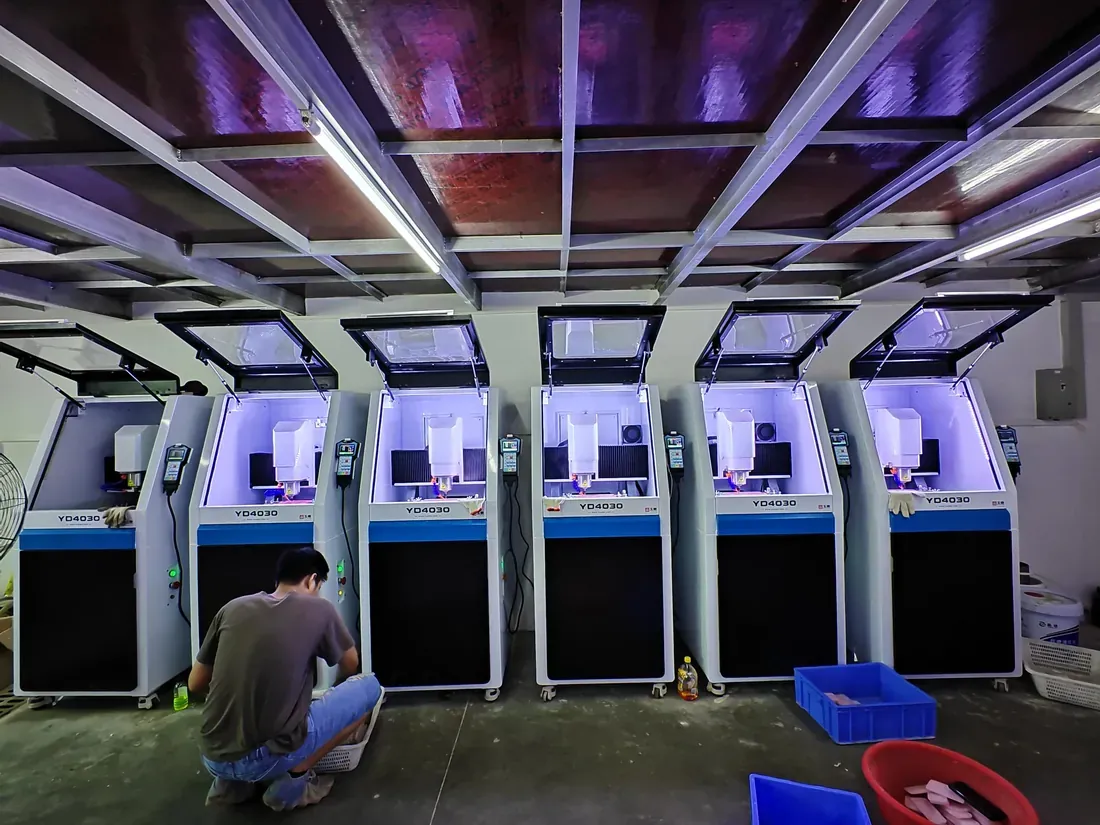
The second part is the material, because the material decides the price, the minimum order and the way the shape is made. Bian stone runs USD 0.78 to USD 5.89 per piece, natural stone runs USD 0.69 to USD 5.99 per piece, stainless steel 304 runs USD 1.49 to USD 5.99 per piece, ceramic runs USD 1.49 to USD 5.49 per piece, and resin runs USD 0.59 to USD 3.99 per piece, all EXW for orders of 200 to 5,000 pieces. A shape cut from stone is shaped by cutting and polishing, while a shape in stainless steel or ceramic needs a mould made for that shape before the first piece exists. That is why the minimums differ, and why the material has to be named in the first message rather than decided after the sample.
The third part is the edge and the finish. A gua sha board lives or dies on its edge, because the edge is what touches the skin. Say whether the edge should be rounded, bevelled or thin, and whether the surface should be polished smooth, brushed or matte. A board that looks right in a photo can still feel wrong in the hand if the edge is too sharp or too thick, and the edge is the hardest thing to fix after the mould is cut.
The fourth part is the logo and the packaging, because they change the sample too. A laser-engraved logo starts at 200 pieces per style, a silk-screen logo starts at 1,000 pieces, and a gift box or a pouch starts at 500 pieces, while a window box starts at 1,000 pieces. If the logo goes on the tool itself, send the artwork with the brief, so the sample carries it in the right place at the right size.
The fifth part is the quantity and the date. A custom shape in bian stone starts at 200 pieces, other natural stone at 500 pieces, and stainless steel or ceramic at 1,000 pieces, because the mould has to be paid for across the order. A first order of 100 pieces is possible on in-stock and regular styles if our sales team confirms the style qualifies, but a custom shape still follows its own minimum. The date matters just as much: a custom stone shape takes 14 to 20 days to make, and a branded stock order takes 25 to 30 days after artwork approval. A buyer who sends the quantity and the date in the first message gets a quote that answers the real question, not only what the tool costs, but whether it can arrive in time.
One recent project shows what a complete brief earns. A buyer sent a dimensioned drawing for a stainless steel comb, 100 millimetres long, 70 millimetres wide and 3.0 millimetres thick, with the material, the quantity and the target date all stated in the same message. The quote came back with a minimum of 1,000 pieces, a mould and sample cost of USD 548, and a unit price of USD 3.12 per piece EXW. Those numbers belong to that one project alone, but the point stands: a brief with dimensions, material, quantity and date gets a complete answer in one round, while a brief with a photo alone gets a round of questions first.
Decide these five things before you send the brief
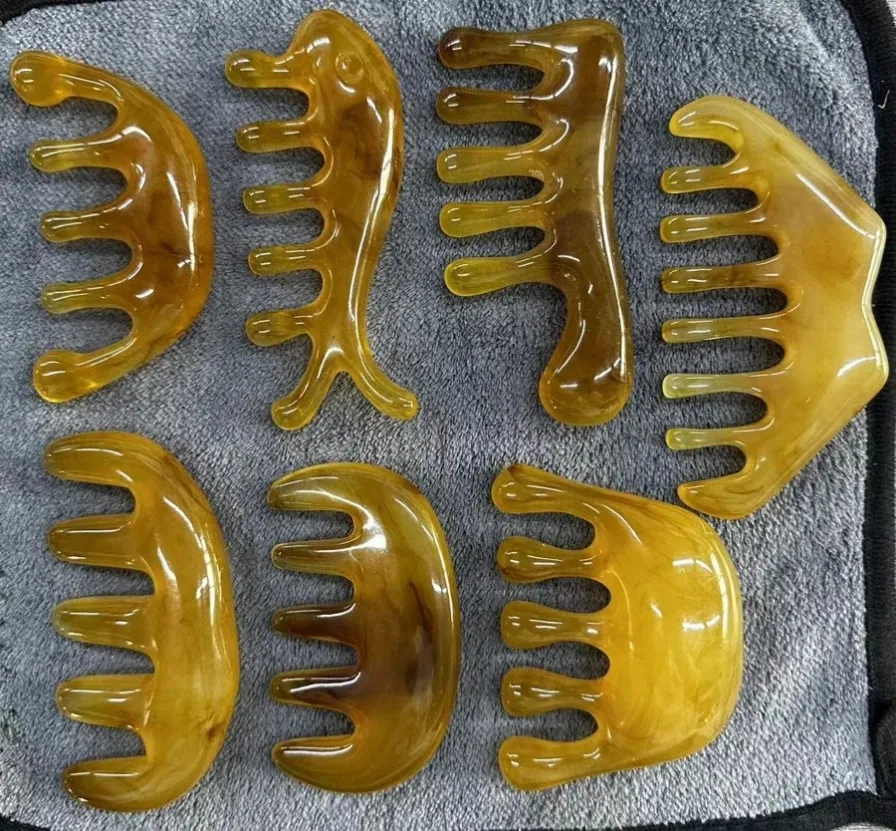
Start with the shape family, because it decides the size and the way the tool is held. A face board is small and light, a body board is larger and thicker, and a comb is a different tool altogether, with teeth that have to be spaced and shaped so they glide through hair without catching. Seven resin combs in different shapes look like a small thing in a photograph, but each one has its own tooth spacing, its own edge and its own weight, and the drawing has to carry those details.
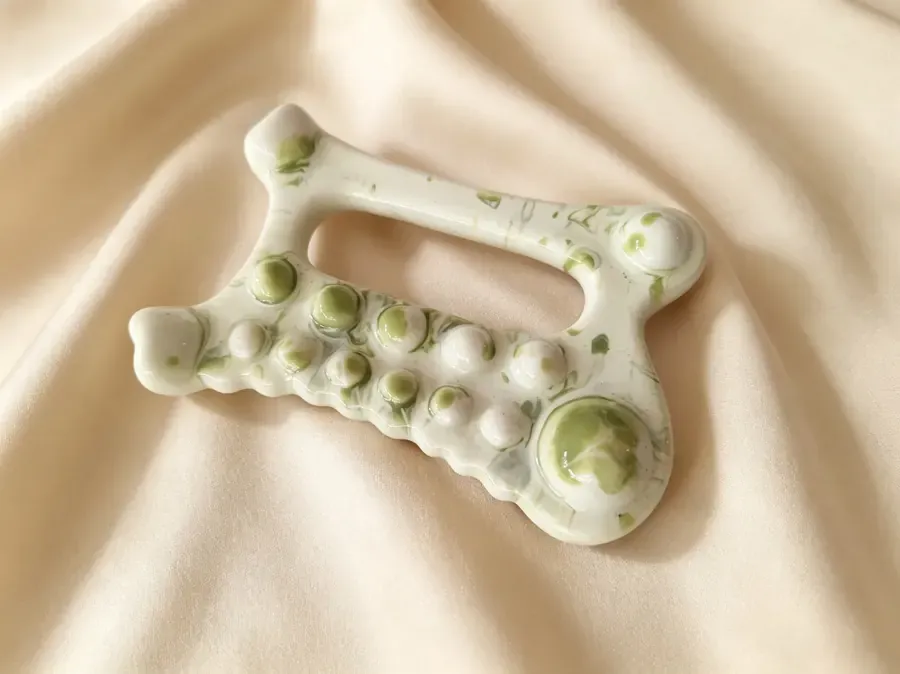
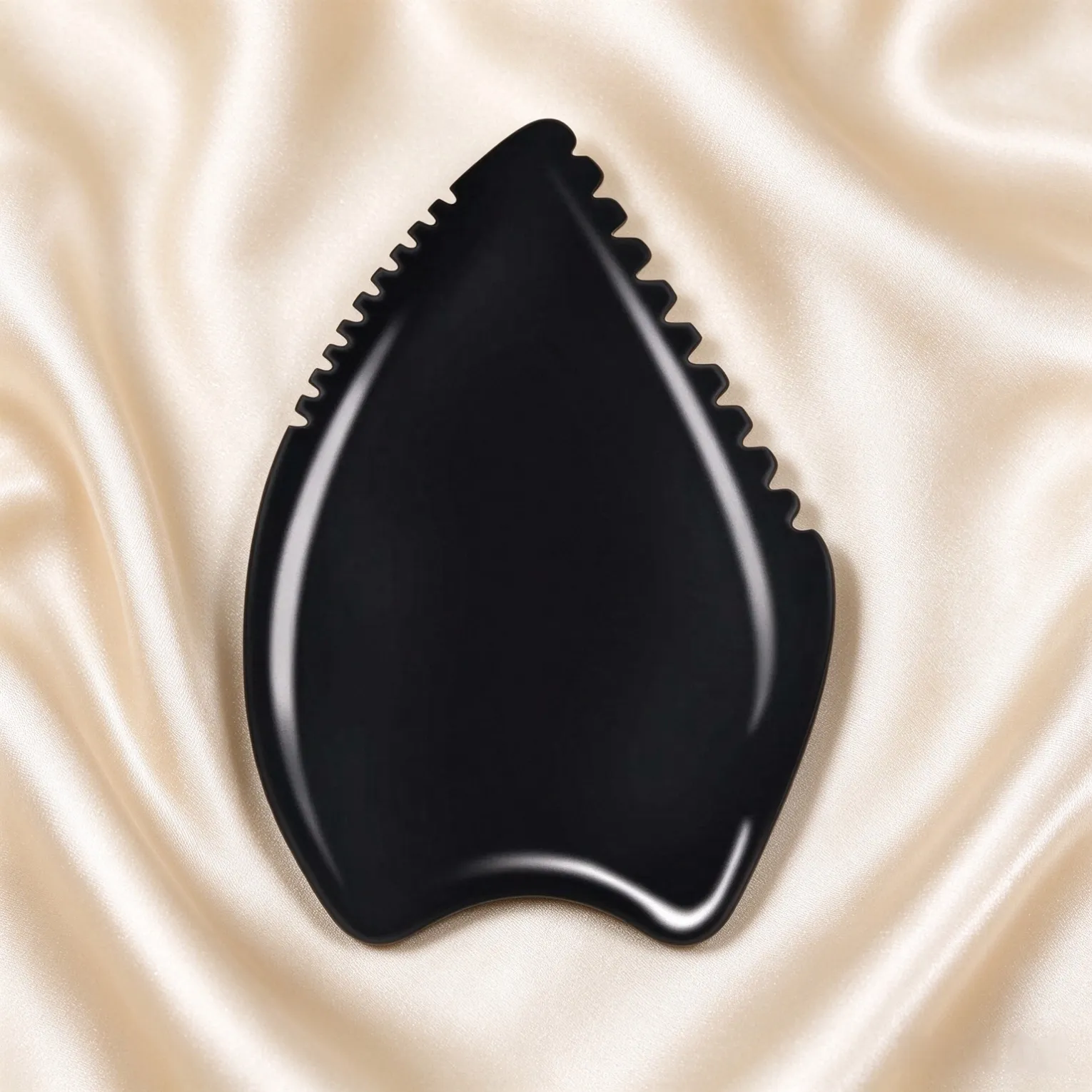
Then choose the material against the price and the minimum together, not one without the other. Resin is the cheapest way to test a new shape, and it does not break if it is dropped. Bian stone carries a natural stone story with a custom-shape minimum of only 200 pieces, which makes it the lowest minimum for a truly custom shape. Stainless steel 304 is the durable, washable choice, but a custom shape needs 1,000 pieces and its own mould. Ceramic holds colour exactly across a whole run, but it also needs 1,000 pieces and a mould, and it can chip if it is dropped on a hard floor. Logo and packaging prices are quoted per style and per size.
Then decide whether the shape needs to be custom at all. An in-stock shape with your laser-engraved logo starts at 200 pieces per style, and a first order of 100 pieces is possible on in-stock and regular styles if our sales team confirms the style qualifies. If the shape you want already exists in the catalogue, a stock shape with your logo gets you to market weeks faster, with no mould to pay for and no sample round to wait for. A custom shape earns its cost when the shape itself is the brand, when the curve matches your logo, or when no stock shape does the job your customers need. If the only difference is the logo, order the stock shape.
Then fix the logo method and the packaging in the same message as the shape. A laser-engraved sample takes 1 to 3 days, and a silk-screen sample takes 7 to 10 days, so the logo method changes the sample timeline as well as the minimum. A gift box or a pouch starts at 500 pieces and a window box at 1,000 pieces, and the box has to fit the tool, so the box size cannot be fixed until the tool size is fixed.
Where custom-shape projects lose time
The most common delay is approving a render instead of a physical sample. A three-dimensional render shows the shape, the colour and the logo position, and it is tempting to approve it and skip the sample. But a render cannot show the weight in the hand or the edge against the skin. A physical sample costs a few days and answers both.
The second delay is changing the shape after the mould is cut. A mould is made for one shape, and a change to the curve, the thickness or the notch means a new mould or a rework of the old one. That is why the drawing has to be frozen before the mould is ordered. Measure the sample with a ruler and compare it with the drawing, millimetre by millimetre, before you approve it. If the sample is wrong, say exactly which dimension is wrong, in millimetres, so the correction is a number and not another round of guessing.
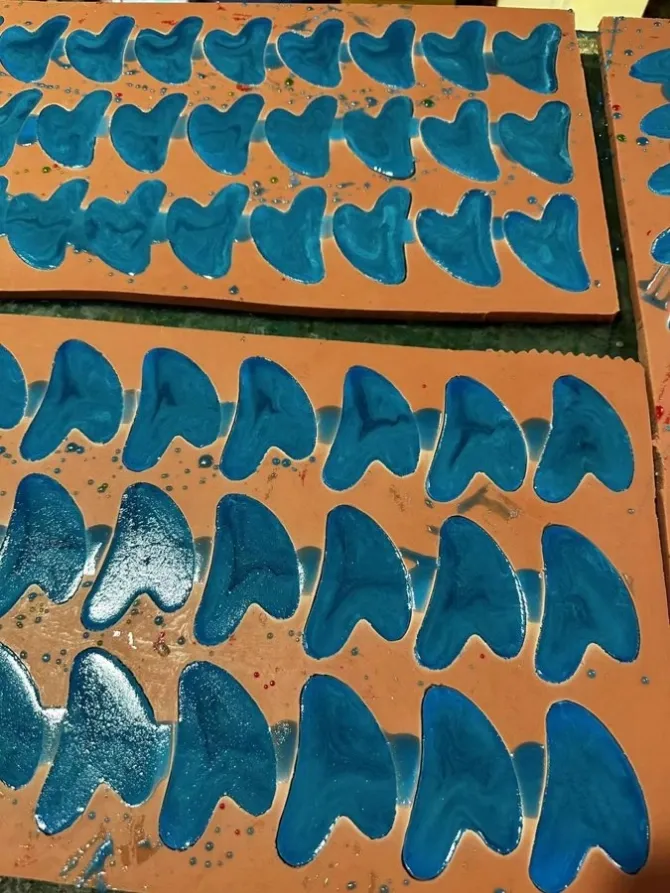
The third delay is approving artwork late. A branded stock order takes 25 to 30 days after artwork approval, so the clock starts at approval, not at the order, and a week lost on artwork is a week lost on delivery. An unbranded stock order can ship in as little as 3 days, which is the fallback when the date cannot move, but an unbranded tool carries no logo, so it is a different product. The fourth delay is ordering packaging before the tool size is frozen. A box made for a 100-millimetre board does not fit a 110-millimetre board, and a pouch ordered early becomes waste if the shape changes. Freeze the shape, approve the sample, then order the box.
What to do next
Send us four things and we will quote within 24 hours: the shape as a CAD file or a dimensioned drawing, the material, the quantity, and the date you need the goods. Add the artwork if the logo goes on the tool, and say whether the shape is for the face, the body or the scalp. If you have a reference sample, send a photo of it with the drawing, and mark the measurements on the photo so the factory does not have to guess. If you have not decided the material yet, say so in the inquiry and order one sample of each material first, because a laser-engraved sample takes 1 to 3 days and holding two materials side by side answers the question faster than any article.
When the sample arrives, check three things before you approve it. Measure it against the drawing, hold it the way your customer will hold it, and check the logo and the colour against your packaging. If all three match, approve it in writing and confirm the quantity and the date in the same message, so production starts on a frozen shape with a confirmed order. If something is wrong, write down the exact dimension that is wrong and send it back with the sample, so the next round fixes a number rather than restating a feeling.
Frequently asked questions
What do I need to send for a custom shape quote? A dimensioned drawing or a CAD file, the material, the quantity and the date you need the goods. Add the artwork if the logo goes on the tool. We quote within 24 hours of receiving a complete brief.
What is the minimum order for a custom shape? A custom shape in bian stone starts at 200 pieces, other natural stone at 500 pieces, and stainless steel or ceramic at 1,000 pieces, because each needs a mould of its own. A first order of 100 pieces is possible on in-stock and regular styles if our sales team confirms the style qualifies, but a custom shape still follows its own minimum.
How long does a custom shape sample take? A custom stone shape takes 14 to 20 days to make. A laser-engraved sample takes 1 to 3 days, and a silk-screen sample takes 7 to 10 days. A custom shape in stainless steel or ceramic needs its own mould first, so ask for the mould timeline with the quote.
How much does a custom shape cost? The unit price depends on the material, EXW for orders of 200 to 5,000 pieces: bian stone USD 0.78 to USD 5.89, natural stone USD 0.69 to USD 5.99, stainless steel 304 USD 1.49 to USD 5.99, ceramic USD 1.49 to USD 5.49, and resin USD 0.59 to USD 3.99 per piece. The mould and the sample are quoted per project, because every mould is different.
Can I start with a stock shape and move to a custom shape later? Yes. An in-stock shape with your laser-engraved logo starts at 200 pieces per style, and a first order of 100 pieces is possible on in-stock and regular styles if our sales team confirms the style qualifies. Many brands start with a stock shape to test the market, then order a custom shape once they know which size and edge their customers prefer.
Related reading
Get a quote
Send us your drawing and we will quote within 24 hours.