Beauty School Gua Sha Training Kits | Alison Gua Sha Factory
Gua sha training kits for beauty schools: materials that survive classroom practice, cohort MOQs and lead times. Laser logo from 200 pcs; quote within 24 hours.
A beauty school orders gua sha tools differently from a retail brand. A retail brand orders for customers who will each use one tool gently, at home, with oil. A school orders for a cohort of students who will practise on each other, drop the tool, wipe it clean, and pick it up again, five days a week, for a whole term. The tool has to survive that, every student in the cohort needs the same tool, and the order has to arrive before the first practical class, not halfway through the course.
The numbers that decide whether a training-kit order works are the same ones that decide any wholesale order, but the school feels them sooner: the minimum order, the logo method, the lead time counted from artwork approval, and the material. A stock shape with a laser-engraved logo starts at 200 pieces per model. Silk-screen printing starts at 1,000 pieces. Gift boxes and pouches start at 500 pieces. A branded stock order takes 25 to 30 days after artwork approval, and an unbranded stock order can ship in as little as 3 days. A school that orders 150 tools for 150 students, with the school logo in colour, will find that neither the quantity nor the logo method fits — and will find out too late if the order is placed after the term has started.
The cohort that got three different tools
A training manager orders 40 tools for a new facial massage module. She picks a natural stone board because it looks like the classic gua sha tool in the textbook, and she orders exactly 40, one per student. The delivery arrives the week before the module starts, and three problems appear at once.
First, the 40 boards are not identical. Natural stone varies from piece to piece — the colour, the veining and the weight differ — so the tutor cannot demonstrate a stroke on one board and expect every student to feel the same edge on theirs. Second, two boards chip in the first week, when a student drops one on a tiled floor, and there are no spares, because the order was exactly 40. Third, the school logo was meant to be printed in colour, which needs silk-screen printing, and silk-screen starts at 1,000 pieces, so the order could not be printed at all; the boards arrived unbranded.
None of this is a quality failure. It is a mismatch between the order and the way a school actually uses the tool: identical pieces, spares for breakage, a logo method that works at cohort size, and a delivery date set by the timetable, not by the order date.
Choosing the material for classroom practice
The first decision is the material, and for a school it is decided by three things: whether every piece is the same, whether it survives being dropped, and whether it can be wiped clean between students.
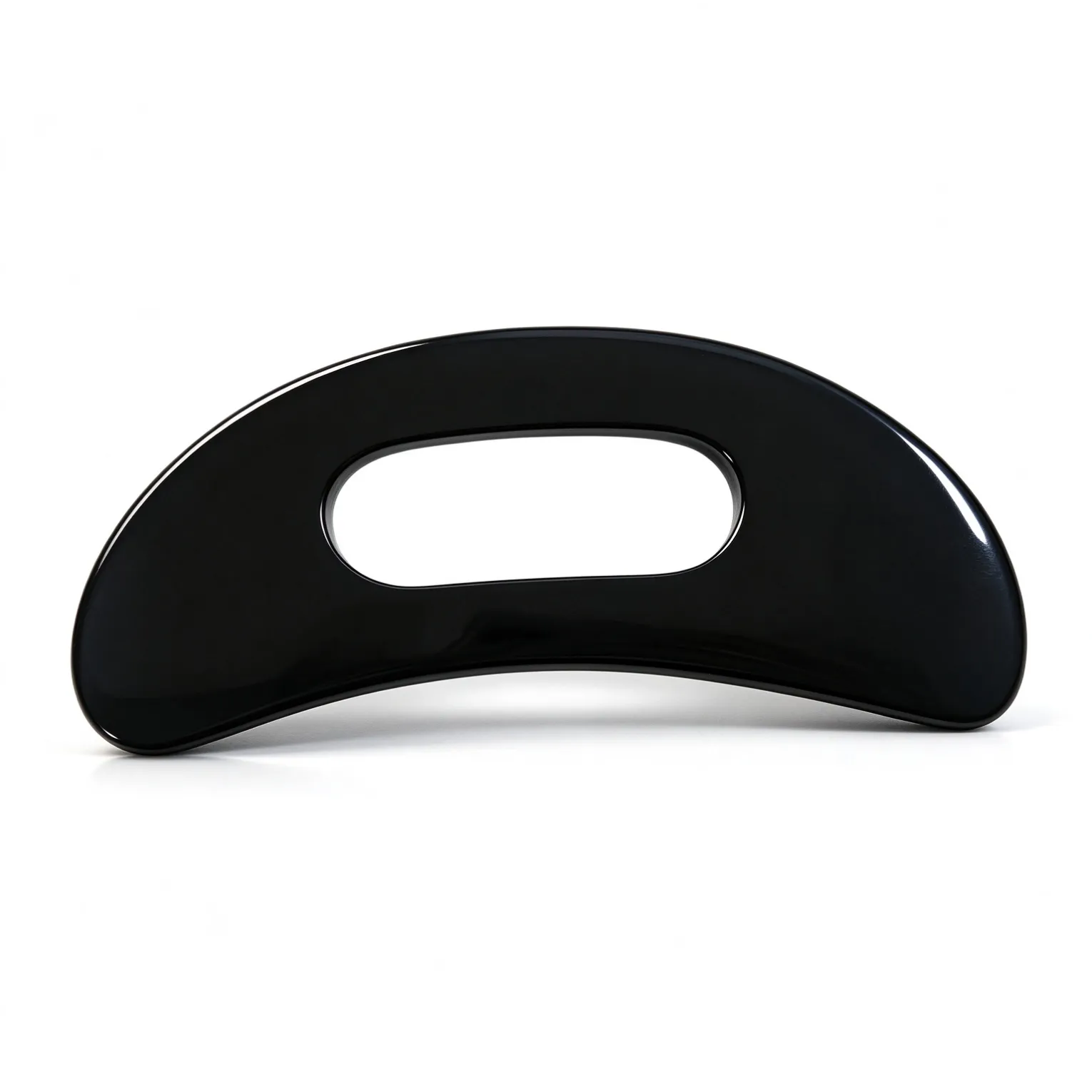
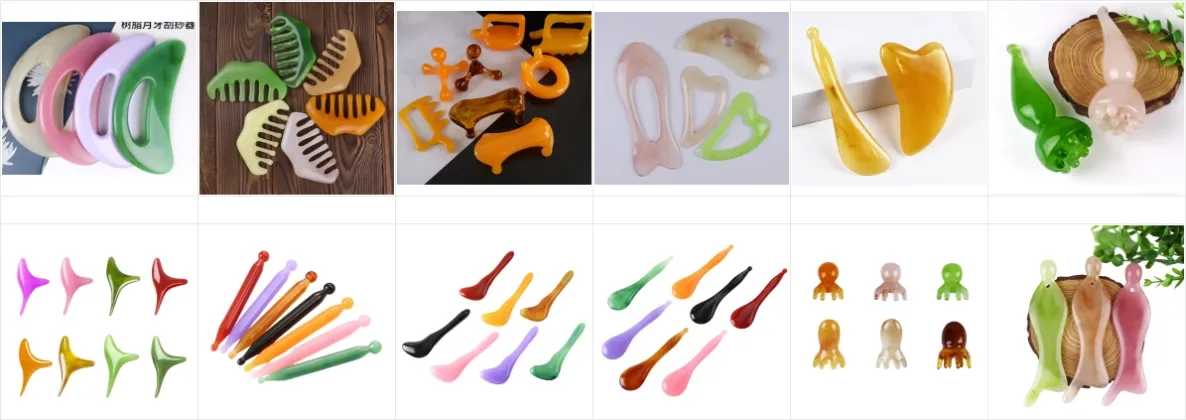
Resin is the most practical training material on those three tests. It starts at USD 0.59 to USD 3.99 per piece, EXW, for orders of 200 to 5,000 pieces. It takes colour evenly, so a whole cohort gets the same colour, it is the lightest of the six material families, and a dropped resin board does not chip. That matters when 40 students are learning a stroke for the first time.
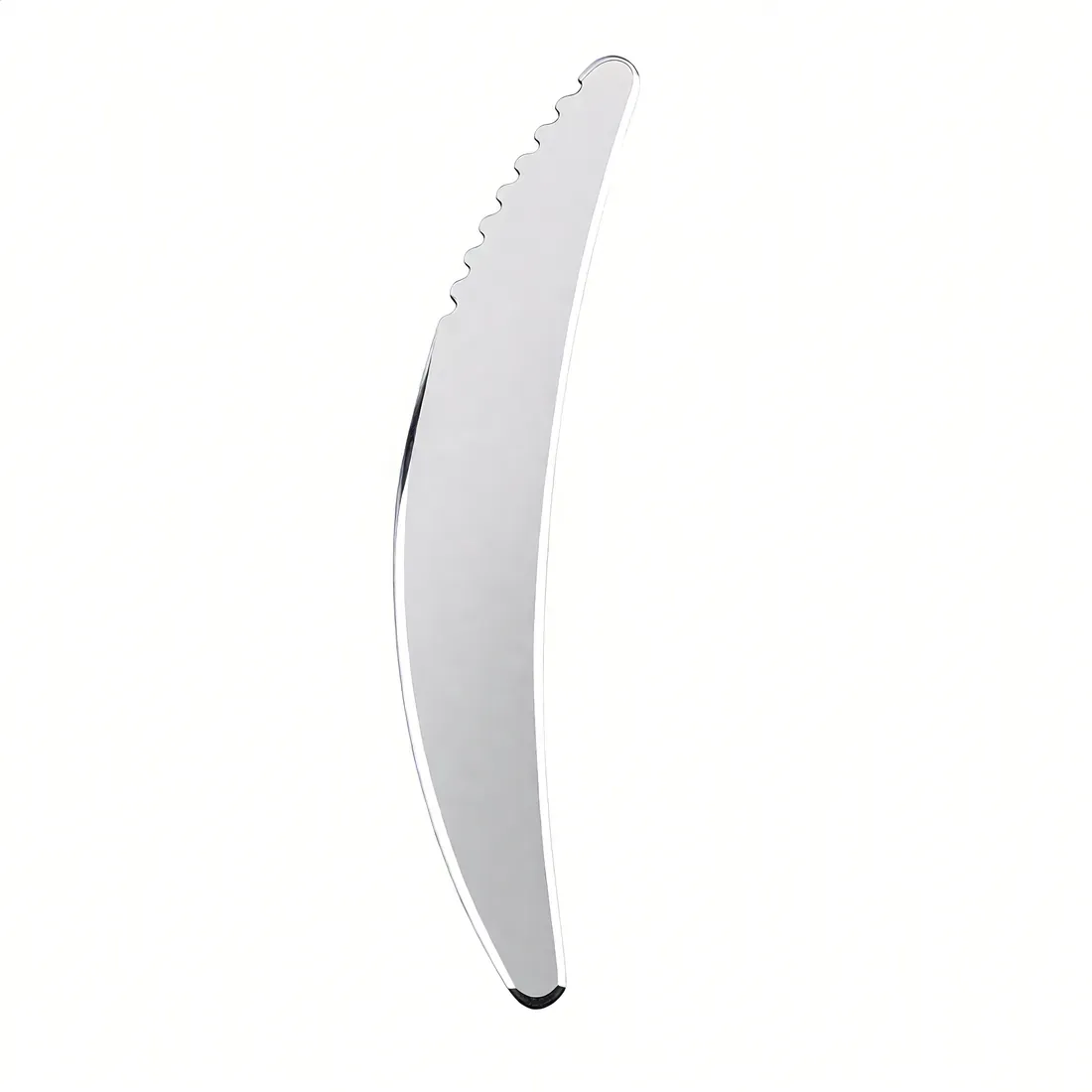
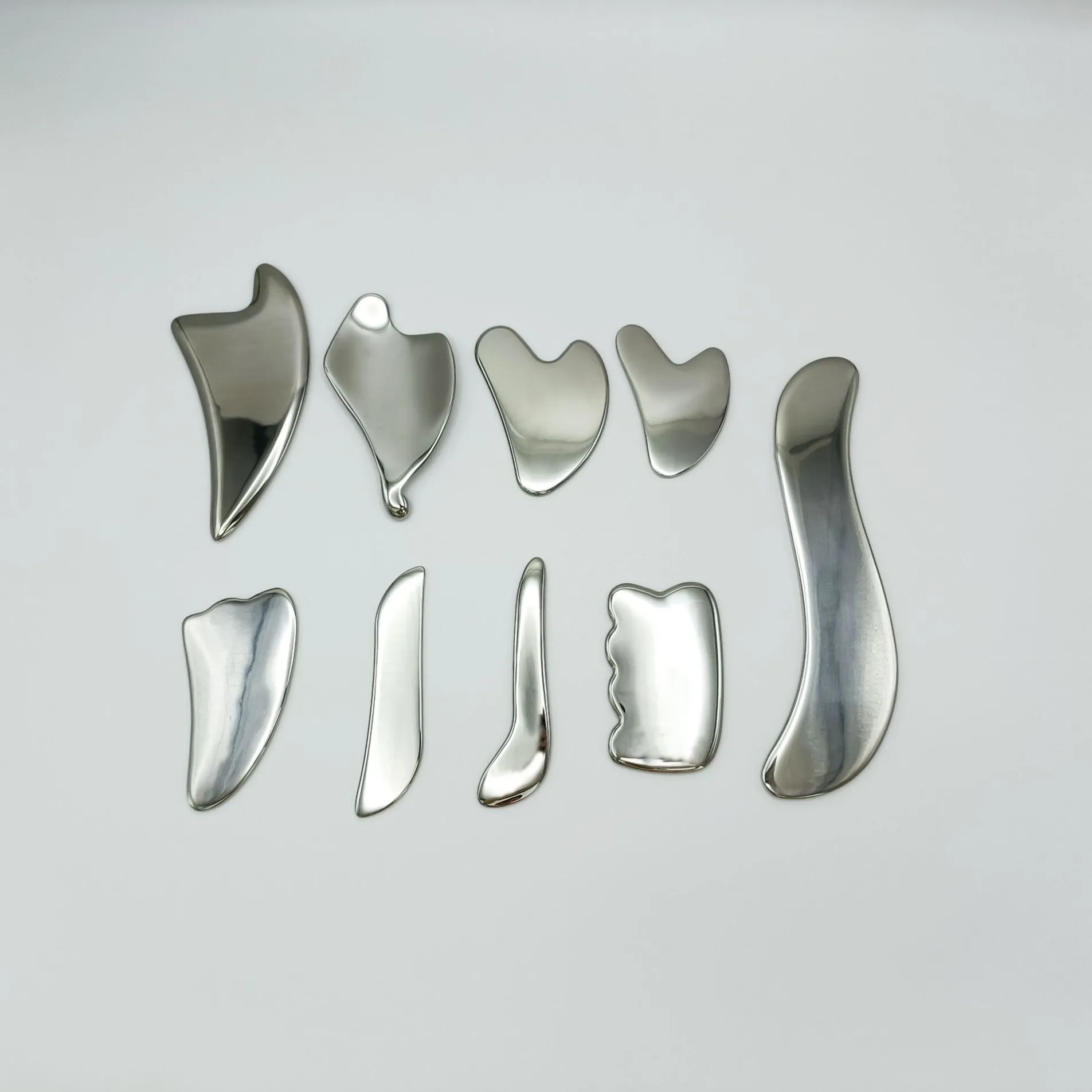
Stainless steel 304 is the durable alternative, at USD 1.49 to USD 5.99 per piece, EXW, for orders of 200 to 5,000 pieces. It does not break, it wipes clean easily, and a laser-engraved logo stays crisp after months of handling. It suits a school that wants one kit to last several cohorts, or a premium course where the tool is also the student's take-home professional tool. Stainless steel 316 is quoted per style on request.
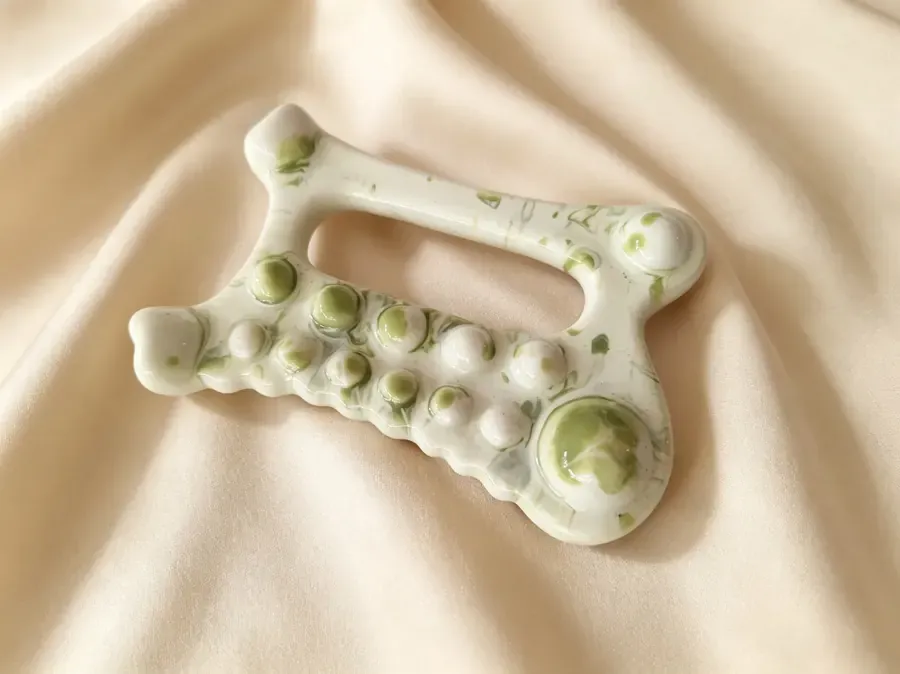
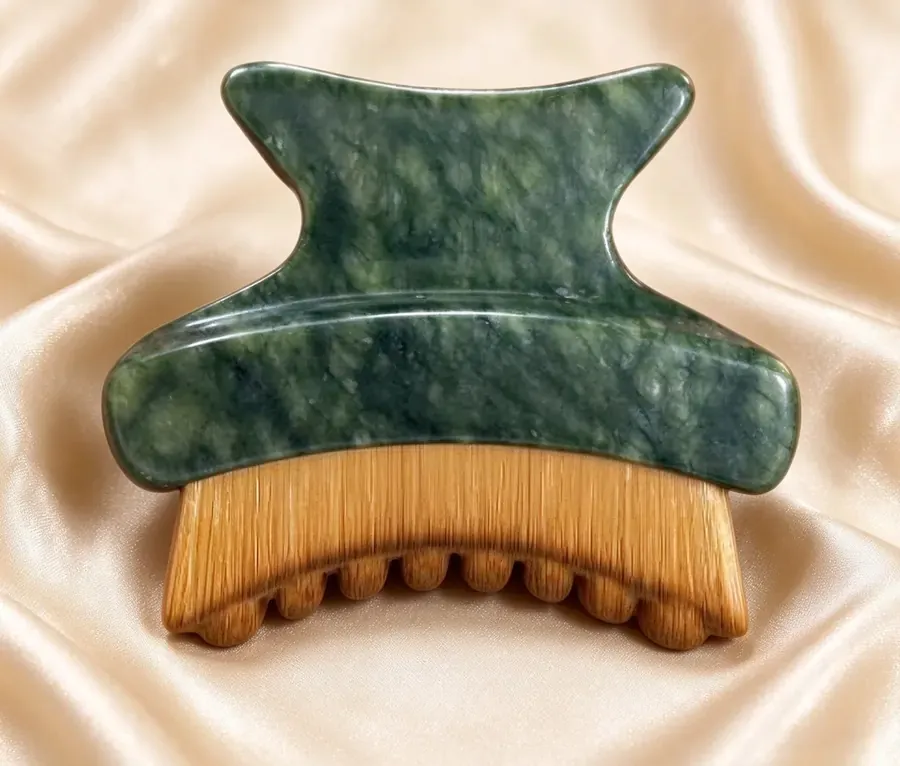
Bian stone, at USD 0.78 to USD 5.89 per piece, and natural stone, at USD 0.69 to USD 5.99, are the classic materials, and they suit a course that teaches the traditional tool. But a school should order them knowing that natural stone varies from piece to piece, so the tutor should check the batch on arrival and set aside any piece whose edge or weight is far from the rest. Ceramic, at USD 1.49 to USD 5.49, gives a clean glazed look and a consistent colour story, but a chipped glaze cannot go near a face, so it is a poor choice for a first practical module where drops are certain.
The practical answer for most schools is to match the material to the module. Resin or stainless steel for the first practical module, where the tool will be dropped and shared. Bian or natural stone for an advanced module, where students already handle the tool well and the stone itself is part of what is being taught. Ceramic where the kit must match a branded box and pouch in one colour story.
Quantity: order for the cohort, plus spares
A school's quantity is set by the cohort, not by the factory's minimum — and the two have to be reconciled before the order is placed. A stock shape with a laser-engraved logo starts at 200 pieces per model, with no mould fee. A first order of 100 pieces is possible on in-stock and regular styles if our sales team confirms the style qualifies. Silk-screen printing starts at 1,000 pieces, so a school that wants its logo in colour needs a 1,000-piece order, or it needs to accept a laser logo in a single tone.
That creates three realistic paths. A school with 100 to 200 students across a term orders 200 stock tools with a laser logo, which clears the minimum and leaves spares for breakage and for the next cohort. A school with fewer than 100 students orders 100 pieces of a qualifying in-stock style, unbranded or with a laser logo if the style qualifies, and tops up with spares from the same batch. A school with 1,000 students a year, or several campuses ordering together, can use silk-screen printing and carry the logo in colour — and should combine campuses into one order rather than placing three small ones that each miss the minimum.
A custom shape starts at 200 pieces for bian stone, 500 for other natural stone, and 1,000 for stainless steel or ceramic, because a mould is required for steel and ceramic. A school rarely needs a custom shape: a stock shape already matches the textbook, and a custom shape adds 14 to 20 days for stone. Order a custom shape only if the course teaches a stroke that no stock shape can demonstrate.
Order spares in the same batch — a few extra boards cover chips and losses in the first term, and spares from a later batch will not match, especially in natural stone.
Logo, packaging and the timetable
The logo method follows the quantity, not the other way round. Laser engraving cuts the logo into the surface, so it survives oil, wiping and daily handling, and it is the right choice for a tool that will be used every day in class. It gives one tone, the material itself, so a logo that needs two or three colours to be recognisable will lose its colours. Silk-screen printing lays the logo on in ink, so it carries the school's colours, but it starts at 1,000 pieces and must be tested on a physical sample, rubbed and wiped the way a student would. The logo cost is quoted per material and size in both cases, and no fixed logo unit price is published.
The sample adds its own time: a laser-engraved sample takes 1 to 3 days, and a silk-screen sample takes 7 to 10 days, because the screen has to be made and the ink matched on the real material. Approve a physical sample, not a screen proof, and test it the way a student will: rub the printed area with your thumb, wipe it with facial oil, and check the edges where the board is gripped.
Gift boxes, pouches and flip-top boxes start at 500 pieces, and a window box starts at 1,000, so a 200-piece kit order cannot be boxed at the 500-piece minimum. The practical answers are to order 500 pouches and keep the spares for the next cohort, or to raise the tool order to 500 so the tool and the box match. The packaging cost is quoted per size, and no fixed packaging unit price is published — ask for it with the tool quotation.
The timetable is the part schools get wrong most often. A branded stock order takes 25 to 30 days after artwork approval — the clock starts at artwork approval, not at the order or the payment — so a kit ordered three weeks before the first practical class is already late. Work backwards from the first class, allowing 25 to 30 days plus 1 to 3 days for a laser sample or 7 to 10 days for a silk-screen sample, plus shipping. An unbranded stock order can ship in as little as 3 days, which is the fallback if the term has already started.
What to send with the inquiry
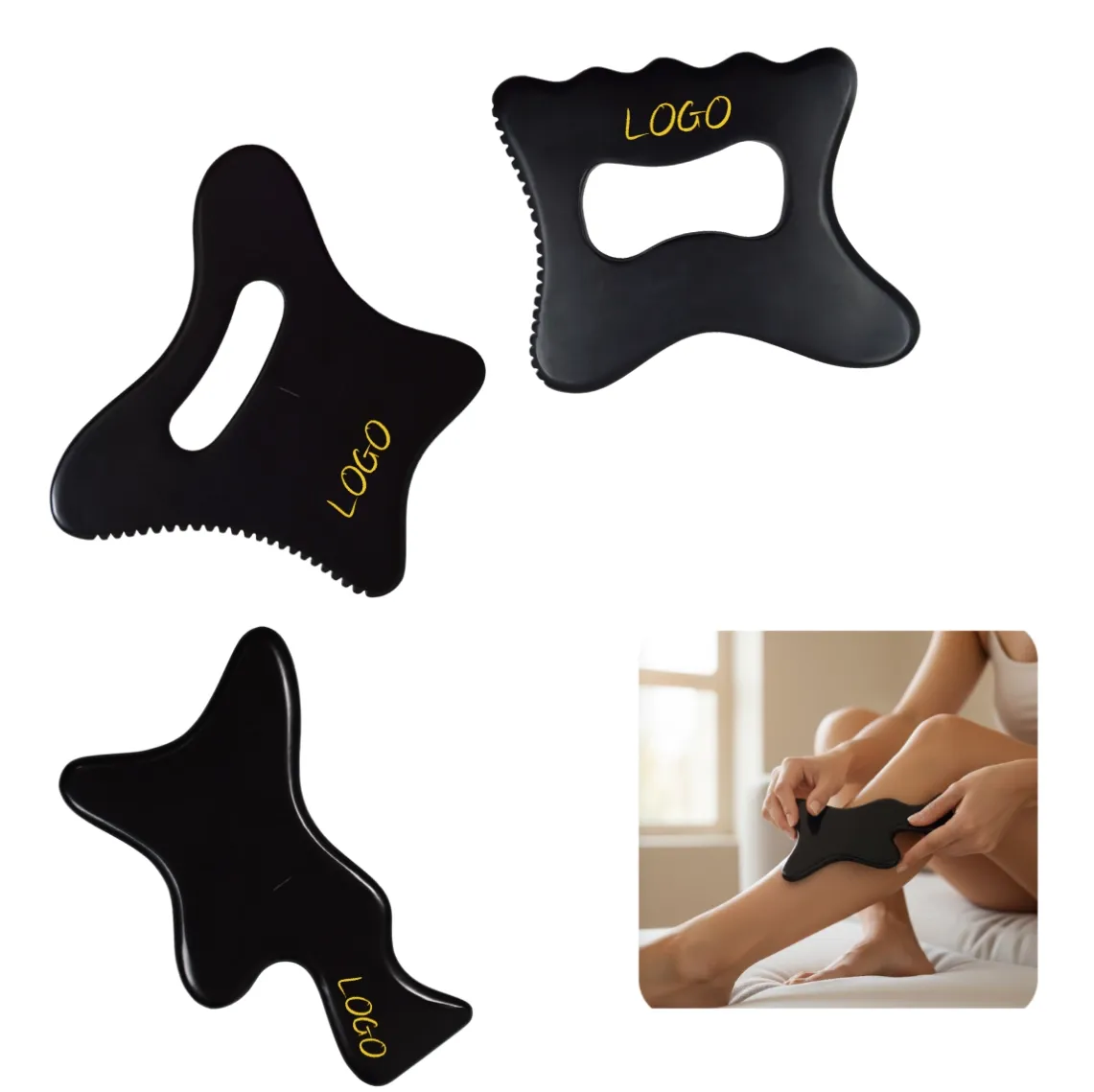
Send us six things and we will quote within 24 hours: the number of students per cohort and how many cohorts a year, the material you want, in-stock or custom shape, the quantity including spares, your logo artwork and whether it needs colour, and the date of the first practical class. If you have not decided between laser and silk-screen, say so and order one sample of each first: laser takes 1 to 3 days, silk-screen 7 to 10. If the course has a fixed start date, put the date in the first message, so the quotation confirms whether it is achievable before you approve anything. And order the packaging with the tool, in the same inquiry, so the kit arrives as a kit, not as a tool in a plain carton.
Frequently asked questions
What is the minimum order for a school training kit? A stock shape with a laser-engraved logo starts at 200 pieces per model, with no mould fee. A first order of 100 pieces is possible on in-stock and regular styles if our sales team confirms the style qualifies. Silk-screen printing starts at 1,000 pieces.
Which material is best for classroom practice? Resin is the most practical for a first practical module: it starts at USD 0.59 per piece, takes colour evenly so every student gets the same tool, and does not chip when dropped. Stainless steel 304, at USD 1.49 to USD 5.99, is the durable choice for a kit that must last several cohorts. Natural stone varies from piece to piece, so check the batch on arrival.
How long does a branded training-kit order take? A branded stock order takes 25 to 30 days after artwork approval. A laser-engraved sample takes 1 to 3 days and a silk-screen sample takes 7 to 10 days. An unbranded stock order can ship in as little as 3 days.
Can the school logo be in colour? Yes, with silk-screen printing, which prints in ink and carries brand colours, starting at 1,000 pieces. Laser engraving gives a single-tone mark in the material itself, starting at 200 pieces on a stock shape.
What does the kit packaging cost? Gift boxes and pouches start at 500 pieces, and the cost is quoted per size, so send the shape and quantity with your inquiry and the quotation will include the packaging.
How much does a training-kit tool cost per piece? It depends on the material and the quantity. For orders of 200 to 5,000 pieces, EXW: resin USD 0.59 to USD 3.99, natural stone USD 0.69 to USD 5.99, bian stone USD 0.78 to USD 5.89, ceramic USD 1.49 to USD 5.49 and stainless steel 304 USD 1.49 to USD 5.99. Logo and packaging are quoted separately per material and size.
Related reading:
Get a quote: